Property management can be useful and worth the 10% cost, but sometimes it’s not worth having the middle man. Here, I’ll break down our experiences with 3 property managers, but first, the terms of our management agreements. We have three properties in KY under a management company and three properties in VA with a property manager. In VA, we had 5 managed at one point in time, but we sold one property, and another is now managed by us since we knew the tenant and handled all the showings and lease set up.
FEES
Management fee: 10% monthly income. This is standard. If the rent is $900 per month, then you’re paying the management company $90 each month. If the unit isn’t rented, then they get $0.
Leasing fee: 1/2 a month’s rent in KY and $300 per new lease in VA (based on the fee structure of our individual property managers). Standard seems to be one-month’s worth of rent, so we have better fee structure there. In KY, half a month’s rent is about $400. In VA, we rent the houses for more than our KY homes, so half would be more like $500, meaning our $300 fee is a great deal.
Lease renewal fee: $0. We don’t pay either property manager for a renewal. The KY company had 10% of a month’s rent as the renewal fee, but we negotiated out of it. We don’t feel that renewing a lease is outside of the monthly management responsibility.
Maintenance fees: In KY, the agreement template had a 10% markup on all bills paid by the management company. We asked what the monthly management fee covers if not organizing repairs; with no clear answer, the company agreed to remove this fee. However, I have to request the 10% back every time there’s a maintenance fee because their system automatically adds it, and they’re not on top of removing it for our account. Our agreements also include a minimum dollar amount that they can spend on maintenance without our prior approval. This is meant that they can manage small repairs without having to coordinate with us, thereby making the process more efficient.
Unoccupied unit fee: KY also had a $50 per month fee for the months that the unit wasn’t rented. We felt that this disincentivized moving the unit quickly, and we negotiated the removal of this fee.
In all management cases, there’s also a stipulation that the company we sign with has first right of refusal for listing the house for sale.
RESPONSIBILITIES
The property manager is responsible for rent collection, coordinating maintenance calls, move in and move out inspections, distributing notices to the tenant (e.g., late notice), and any legal matters on behalf of us as the owners (which has happened).
VIRGINIA
In Virginia, we have a property manager for a few of our houses. The relationship began because her husband is our home inspector and handyman. Her experience was managing a few higher end properties, and she wasn’t part of a management company, but she is a Realtor. We were buying houses fairly quickly, and we decided it would be worth our time and effort to have someone managing the ones that were further away from our primary residence, mostly to handle the showings.
At first, the property manager would physically collect rent and deposit it into an account we set up just for the rentals. We chose a bank that was near her and us so that it was more convenient. Over the next couple of years, our tenants organically decided they would all pay electronically. We accept rent via Venmo, PayPal, and Zelle. We closed the bank account, since it required a $500 minimum balance, and now only collect rent online.
We’re more hands-on than your typical investor. This agreement allows charges up to $200, but the property manager calls us for everything. Most times, we want the opportunity to fix it ourselves. No reason to pay a plumber $125 for a service call just to replace a toilet flapper. But then 2 kids entered the picture while Mr. ODA works full time, and doing those types of maintenance calls have gone by the wayside. Two hours including driving time, the trip to get supplies, the possibility of multiple trips to resolve the issue, etc. were all reasons that we now rely on maintenance people to handle much of the work.
We learned a lot about the Virginia Code thanks to our property manager and her experience as a Realtor. We also had several filings and appearances in the court system for evictions that she handled on our behalf.
KENTUCKY MANAGEMENT COMPANY #1
Our first house purchase was in Kentucky, while we lived in Virginia. We required a property manager because we didn’t want to spend an indefinite amount of time showing the unit nor handling maintenance issues in a market where we had no connections yet. The first property manager was awful; we picked the company because their rates were the cheapest. We paid for that in the long run.
We had some struggles renting the unit that first go around, but we were told we had an agreement with a tenant for her to move in on April 1st. After a week, we weren’t told that the lease was executed, and when we followed up on it, he said she was coming in the following week to sign for April 15th start. He didn’t acknowledge the difference in what we were originally told. We then had to ask several questions on how we’d receive our rent. It was as if they had never had a property owner expect to see the income monthly. Their expectation, as well as it was defined through emails, was that the money would go into an account they set up, they’d draw down anything needed for management and maintenance, and we may or may not see a ledger. When we asked to be a signatory on the account, they acted surprised that we’d want access to the money. Once we stumbled through account set up, I then had to ask for the statement of expenses month-after-month. There was no automatic process, and it was just when a specific employee got around to writing up the statement.
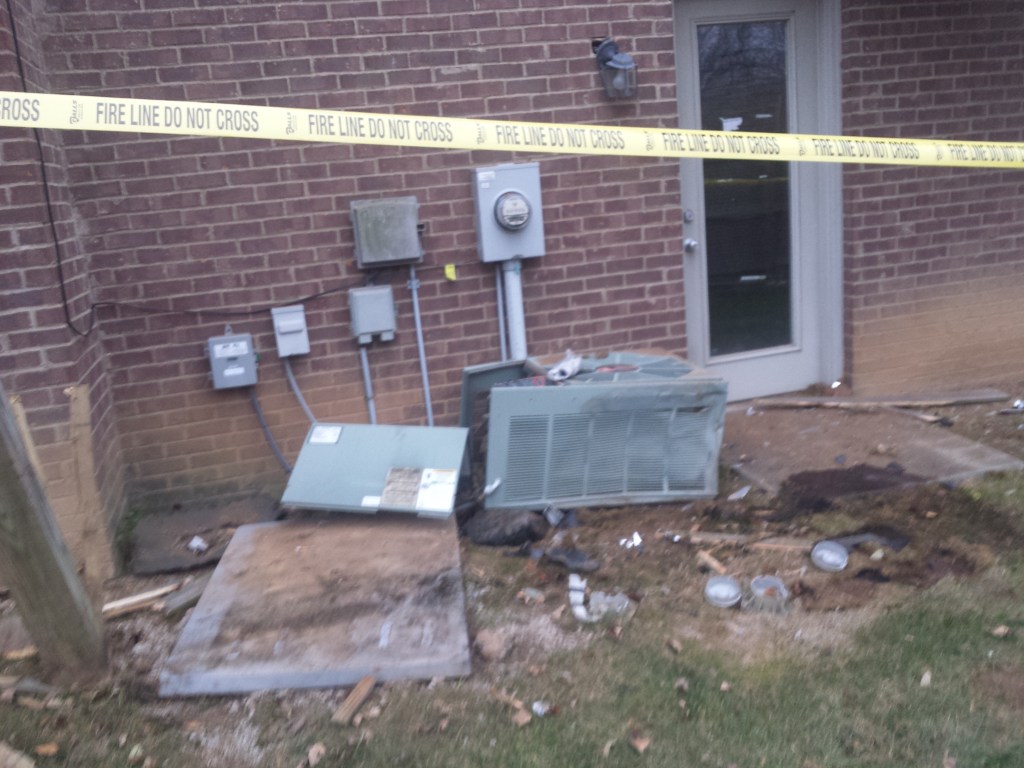
Then, an intoxicated driver drove into our property. Our property manager was out of town and couldn’t check on the unit. We expected someone else in the company to be able to take over when our specific manager was out of town, and that wasn’t the case. We had Mr. ODA’s family go take pictures of the wreck to ensure we got them ASAP.
After raising our concerns about response time to the property manager’s supervisor, we received this response: On a side note, [manager] has become very busy with his role in the company and taken on a very large property so I think this is attributing to some of his slow response times, although that doesn’t make it right or give him an excuse not to answer your questions. After that, we had several issues with the rental rate and whether it was listed for rent. Then, they didn’t push to uphold the lease, which allows us to enter to show the property with 48 hours notice, which would assist in not having a long turnover period of vacancy. They allowed the tenant to deny access over and over again, and they didn’t even start showing the unit until a week after she vacated it. After several more rounds of confusion about what it should be listed at and their complete inability to communicate with us, the contract was terminated.
The tenant moved out mid-April. We had a new property manager in place in mid-May. A two-year lease was executed for June 1st.
KENTUCKY MANAGEMENT COMPANY #2
This company now manages the townhouse and two new properties we acquired in September 2019. It has not completely been smooth sailing, but communication has been better than the previous company and we haven’t felt forgotten about. As I shared previously, we negotiated out of the 10% markup on invoices in our management agreement. However, their system automatically adds the 10%, so I need to stay on top of the charges to make sure they’re at-cost with no markup.
We’ve had issues with the lease terms meeting what we agreed upon. For example, we charge a one-time pet fee and a pet deposit. We expect to receive the fee as income, but it was put in the security deposit account. With the way it was written in the lease, we can’t access that fee until the tenant moves out now. There were conversations about 18-month leases, but then one lease was only executed for 12 months. Luckily, the tenant was amenable to entering a 6-month extension on her lease.
All in all though, it’s worked well that they handle rent collection and depositing the balance of the rent after their fees in our account each month. While there have been hiccups, it’s been nice to know that they have processes in place and we don’t feel like we’re starting from square-one. Even though we now live in Kentucky, we find their management fees to still be worth the cost and don’t plan to manage these properties on our own at this time.