Hitting our Goals

I mentioned at the beginning of the year that our general financial goal is $4 million net worth. I acknowledge that this is not a specific goal that most people can relate to. But I also pointed out that we weren’t always sitting with nearly that amount in our accounts, and that made me start thinking about where we were. This is long, but I didn’t think it worth splitting into multiple posts. I’ve gone into the topic in general, but this is our actual story and the steps we experienced.

This is just meant to show you that you can grow each year and slowly chip away at a goal. Everyone makes fun of the “don’t buy Starbucks everyday” philosophy. It’s not that saving that $7 per day is literally going to make you a millionaire in itself. It’s saying that if you’re willing to spend that $7 daily, that’s likely indicative of other spending in your day, and you should be more deliberate with your spending. I saw a meme on Instagram that said something similar about buying decor for your home, and if you’re willing to spend “just $25 on this lamp,” those little expenses add up over the year. I’m a broken record in saying make every purchase a deliberate, thought-out action; I went into how much effort (and years) I put in to purchasing a $4 tape dispenser on this post.

The background here is to first show you how I had no money, but I’ve been diligent on my spending and working towards goals. Mr. ODA was more of a saver and more prepared for the big life expenses in your early 20s. The part where we work towards buying a house is where we really buckled up and made life decisions that kept us on that track. Our money philosophies have gotten us to where we are today – every dollar has a purpose.

MY FINANCIAL HISTORY: COLLEGE, WHERE I STARTED MY INDEPENDENCE

I never liked relying on other people, so I was interested in making my own way as fast possible. My parents gave me an ultimatum during my sophomore year of college – either become a resident assistant for free room and board, or take out loans to help pay for it in the next two years. I didn’t want to take out loans, so I started looking for off campus housing. I didn’t mind living on campus. I have no idea why I was so dead-set against taking out loans and how that would have been ingrained in me at that time. But living off campus would allow me to pay month to month, instead of living on campus where I’d have to pay each semester’s housing costs up front.

On top of that, my dad offered me to buy out his car. He had let me drive the car to college that year, but around Christmas time, it started acting funny. It turned out that second gear in the transmission needed to be replaced. He said I could pay for the fix, and then it could be my car. I didn’t like the idea of being 3.5 hours away from my family and having a car that appeared unreliable. So I went car shopping, and I leased a Honda Civic. My car payment was about $300/month. I leased it instead of buying it because I didn’t need to put any money down.

I worked three jobs that summer after my sophomore year of college. It was so hard. I was working 40 hour weekends, and then I’d put hours in during the week. I remember getting burnt out and being overwhelmed because I had to miss my sister’s graduation party. I was working at a catering hall, which meant late hours on Friday and Saturday, and early hours on Sunday. I was also working at a bagel shop (big on Long Island), which was a 5:45 am call time, but at least I’d be done by 10 am. Then I was working as a cashier at K-Mart, which was Monday through Thursday in the afternoon or evening, and sometimes on Friday.

Even though I was working all those jobs, I still struggled with paying my bills once I got to college for my junior year. I paid too much for rent because I wanted to live on my own. None of my friends were interested in living off campus, and I was too afraid to live with someone I didn’t know. My parents ended up giving me $100/month for 6 months so I could pay to run my heat. I remember it being October, and I told my mom that I hadn’t turned my heat on yet. So she sent me the money each month to cover the heating bill instead of trying to live in layers and blankets because I didn’t want to pay for it.

When I moved back up to college, I was working at JCPenney while going to school. I did pretty well. My grades didn’t suffer, and I still felt like I had a life so I didn’t get burnt out with only work and school. I took on extra shifts and stopped going home for the smaller holidays (e.g., Thanksgiving) so that I could work.

MY FINANCIAL HISTORY: MY BIG GIRL JOB

My guidance counselor told me that financial firms would be expecting internships on my resume. This was 2007; financial firms were fat and happy, so they weren’t paying interns. I kept my eye on the job boards (which were literal bulletin boards) in the financial building. I found an internship with the Federal government that was paying $13/hour! I applied in August. I heard nothing for weeks, so I gave up hope. Suddenly, I received a call asking me to come in for an interview on Halloween! I had never interviewed before, so this was scary. Then the guy told me that they didn’t even know if they were going to hire a mid-career hire or go the internship route, and they had never had an intern before. That was the second time I gave up hope. A month later, I received the job offer, and I started working in December 2007.

From the start, I put money into the Thrift Savings Plan (TSP), which is the government’s 401k equivalent. My parents told me to take each raise I got and put it right into there also. If I was used to living on the lower amount, then keep the rest in savings. I followed that advice until I maxed out the contributions. I didn’t have trouble paying my bills, but I wasn’t saving as much as I should have for rainy days.

MY FINANCIAL HISTORY: MEETING MR. ODA

Mr. ODA showed up in my office in October 2009. Shortly after meeting him, we were hanging out, and next thing I knew, he was asking me my social security number. He was signing me up for a rewards credit card, since I had a credit card through my bank that was getting me no incentives. By the time I met him, I was living comfortably, but I wasn’t saving with a goal in mind. Whatever was left over became savings, and it didn’t matter to me what that number was. I was maxing out my TSP and paying my bills comfortably, and that seemed good enough for me.

OUR FINANCIAL HISTORY: IN A RELATIONSHIP

Mr. ODA came with a lot more money than that into the relationship. He had always been planning to save for two big purchases: an engagement ring and a house. To me, buying a house was somewhere down the road, but I didn’t have the confidence to move forward on that. I hope to instill that confidence in my children because that would have made a big difference.

Mr. ODA designed my engagement ring at a little mom and pop jewelry store in Harrisburg, PA (long story on where we’ve lived, for how long, and why). He proposed in November 2011. In December, I moved to DC, and Mr. ODA joined me shortly after. We lived in an apartment. We lived halfway between where he and I worked, but I admit we paid way more for rent than we prudently should have. Even though I grew up in the shadows of New York City, actually living in a big city was scary to me. We went on a house hunting trip, and I struggled with anything that didn’t look really nice/new. We were able to get a reduced rent rate, but at about $800 per month for each of us, it was significantly more than the $450 per month I was paying in Albany, NY.

The goal was to rent for a year while we scoped out the area to find a house to buy. We didn’t know anything about Northern Virginia, and we wanted to go to open houses to learn how far our money would go. Newsflash: not far.

OUR FINANCIAL HISTORY: A WEDDING

While we explored the area for a house, we were also planning a wedding. We paid for more than half of our wedding. My parents gave us a chunk of money towards it. If I had been married in Kentucky, it would have covered most of the wedding. However, I grew up on Long Island, and a wedding is a very different kind of event there. I probably wouldn’t have known any different had I not attended several weddings in South Carolina, where weddings were low key. After looking at venues in both Kentucky and New York, I ended up breaking down one day that I had always dreamed of a specific type of wedding, and Kentucky just wasn’t it.

I saved as much as I could in all the other areas since the venue was so expensive. The venue cost included all the catering, staff, and cake. I went cheap on invitations, my dress, favors. I just didn’t have the cash on hand to do a lot, and I wish I had done more. I also wish that I had been married on site at that venue instead of in my hometown church, but it is what it is. I also went cheaper on the photographer, and the day was terrible because of him. I recommend to everyone to get a good photographer and really check their portfolio (and if they do crazy things for photos, don’t trust that they’ll not do crazy things when you ask them not to).

We got married in August, after our November engagement. We had to lay out over $12k for that. The unexpected part of that was that we found a house to buy earlier that summer.

OUR FINANCIAL HISTORY: OUR FIRST HOUSE

Mr. ODA was a good saver. The problem was that he didn’t expect to pay for a wedding, and he didn’t expect to live in Northern Virginia. He was expecting to buy a house around $150k. We were struggling to find a house with walls and floors (literally) at $350k.

We lived a meager state for that year. Our goal was to spend less than $5 per day on food. That meant we weren’t spending money at restaurants. We were packing our lunches for work days. We were living off of macaroni and cheese. We weren’t taking trips. And yes, we were literally tracking our expenses on food each day.

THIS IS IMPORTANT: We were preapproved to buy a house up to $750,000. THAT IS STUPID. We didn’t want to pay PMI, so our purchasing power was based on our down payment being 20% (if you don’t come to the table for a conventional loan with 20% of the purchase price, the bank tacks on PMI). Between loans we could take from each TSP, cash on hand that we projected to have with our savings over the year, and possible liquidation of investments, we projected we could have about $70,000 on hand. That means we were shooting for $350,000 as the purchase price.

Our Realtor knew we were approved for double that, but we held our ground on our price range. We considered several properties. We put an offer in on a house at $380k. It was a bank owned foreclosure that they had flipped for resale. The flip was bare bones, but the house looked ok. We wouldn’t need to put immediate work into it. Our offer was declined. Then later that day, the bank called and asked if we still wanted it. We were instructed that the previous bidder attempted to counter the bank, and that’s why we were given the offer. We weren’t willing to lose it and accepted. We were under contract for a $380,000 house. That meant we needed at least $76,000 by closing.

Mr. ODA and I each took out TSP loans, we were gifted money from our parents, and we used our savings. Our final closing costs were just over $78k. We got our 20% down, so no PMI. We then spent the next 3-5 years paying ourselves back in our TSP. The loan payment amounts were adjustable, so we paid more when we could, but we had the flexibility to back off some of the payment totals if we needed to.

OUR FINANCIAL HISTORY: SELLING OUR FIRST HOUSE

We bought our first house in July 2012. We sold the house in September 2015. In that time, the house appreciated by $70k. On top of that, we had the 20% equity we had put down, and we had the equity for the principal payments we made over the previous 3 years. We were moving from the DC area down to the Richmond, VA area. We ended up purchasing a new construction home for about $360k. After putting 20% down on that purchase and paying off some debt (I had a car payment, and even though it was 0.9% interest, I wanted to manage less payments per month), we needed to decide on what to do with the rest of the money from the sale. Mr. ODA convinced my to put that towards rentals.

OUR FINANCIAL HISTORY: RENTAL PURCHASES

With that extra equity we had sitting in our account (which we had in an interest earning account), we purchased 3 rental properties (all with at least 20% down). The leap of faith we took into a landlord role, while figuring out things we didn’t know as we went is why we’re where we are now. We created a semi-passive income stream with these rental properties. Our savings continued to grow, which we used to purchase several more rental properties (again, with at least 20% down each time).

OUR FINANCIAL HISTORY: MRS. ODA ‘RETIRED’

By 2017, we had several rental properties, had paid off all our debts (e.g., car, TSP loans, IVF cost), and the net from the rentals was enough to replace my six-figure income. At that time, we had no kids, so there was no ‘real’ reason for me to not be working. As I continued to work, we kept it in mind that we’d be losing my regular income in the near future. I kept working, drawing down my leave balances, until our son was 8 months old (May 2019). I’ve worked a few random jobs here and there since then, but that was for something to do and not because we needed money.

MAKING GOALS

Mr. ODA had a goal of $1 million by 30. He exceeded it. At no point did we say “reach $4 million by 40” or anything like that. However, we’ve regularly tracked our net worth and made smart moves with the money we have. We don’t keep money in a liquid state for long. We make sure our money is working for us as much as possible. We take calculated risks that allow for interest earnings.

We also keep our ears open for extra income opportunities. We’ve been secret shoppers before, and I’ve taken on different short term work roles. That extra income isn’t meant to be frivolously spent; it’s income that we still utilize to move our family’s goals forward. We don’t buy the latest gadgets, but it’s not like we don’t have nice things. We spend will intention within our means; we don’t take out personal loans (e.g., furniture loans, layaway loans).

A goal that keeps moving due to preference is that Mr. ODA will stop working a full time job as well. The lack of insurance options is keeping that from becoming a reality, but if we really wanted to push it, he could quit tomorrow because we’re in a good financial spot. Nearly a year ago, we set up a separate bank account to have his pay check go into. It’s nice to know that we can live without his income, all the while having that bank account as a safety net.

Financial Freedom

Our church had a series about “taking significant steps toward financial freedom.” In their terms, financial freedom doesn’t mean FIRE (Financial Independence, Retire Early), which is usually what we’re referring to here. They mean that they want people to be free of financial burdens and not “bound up” by finances. Mr. ODA and I have been in control of our finances for a long time now, so this isn’t teaching us much about what to do differently. However, I’ve enjoyed learning their perspective and have several take aways to share.

Many have heard of Dave Ramsey when it comes to christian-based financial teachings. Dave tells you to pay off all your debt and pay cash for everything. We disagree with that approach. Debt is not bad when it’s used responsibly and you’re being a good steward with your finances, and that’s what our church’s lesson is too.

People seem to think it’s ‘cool’ to talk about how ‘broke’ you are. And yet, it’s taboo to mention if you’re in a good position with your money. What if we made it so that you’re taught that when you find someone in a better financial position than you, you ask questions and learn what decisions got them to that position?

The lesson is how to manage your mentality with money. It’s not about restricting your spending or making you feel guilty for buying your coffee, but it is about how you make informed decisions day-to-day that grow you towards a position where money isn’t controlling every aspect and decision of your life in a stressful manner. If you take control of your money, instead of your money controlling you, you’ll work towards eliminating that stress.

THE WHY

The workbook starts by asking you to determine your net worth. Money-in minus money-out is your cash flow, while assets minus liabilities are your net worth. The goal here is the gauge the current status of your money and where you should probably plan to be. There’s also an exercise where you determine your motivation. Are you motivated by freedom from financial burden, having a feeling of security, having power, or through love and giving? When you determine your “why” behind making money, you know what direction to go.

Making more money isn’t always the right answer. To make more money, you may need to take on a second job or more hours at your current job. Is putting that time in worth the extra money that you’ll bring in? Will putting those extra hours in make you more happy? If not, perhaps decreasing expenses is that way to go to make ends meet. If you don’t have the ability to take time for yourself or do things that bring you joy or have “down time,” then it’s not worth taking more time from your week.

I quit working in May 2019. Since then, I’ve done odd jobs just out of excitement, not financial need. I learned different industries and only had to commit part time. I was recently feeling the pull to find another part time job. There’s a consignment sale that comes into town twice per year, and they were hiring. They said they pay $8 per hour with at least a 4 hour per shift commitment. The consignment sale is being held 30 minutes from my house. That means that a 4 hour shift requires me being out of the house for 5 hours. The gas to get there and back would cost me about $7 per day. That means I’m out of the house for 5 hours (away from nursing my baby and being with my kids) for $25 before taxes. That cost/benefit ratio was not worth it to me.

THE PLAN

My favorite analogy given was to a plumber. A plumber doesn’t just start laying pipes in walls and hope it works out. He will have a plan of how to get water from the source to the faucet. Without that plan, how would you know that the water will get to where you want it to go? Same with money. If you don’t have a plan for your money, how will you know that it’s going to the right places with minimal effort? Without a plan, that’s where the stress comes in.

If you’re worried that you’ll be able to pay your electricity bill, then money is controlling your life. Sit down and make the plan. Allocate funding to the necessities first. It’s ok to eat at a restaurant or buy a coffee, but is putting your money towards those expenses creating financial freedom or causing more stress?

Mr. ODA and I have a money-spending mentality, rather than a budget. In my opinion, when you create a budget, you’re either looking to spend everything you’ve set aside in that ‘envelope,’ you’re willing to move money around without discipline, or you think of left over money in that ‘envelope’ as a bonus and you spend frivolously. If you put $500 for the month’s groceries in an envelope, but you only spend $450, what are you doing with that $50? I’ve seen it happen plenty of times that someone splurges. Instead, Mr. ODA and I weigh every single purchase. Literally every purchase, I swear. I told the story about my weighted tape dispenser.

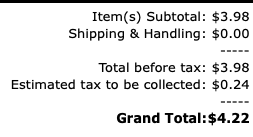
Every single year, I sit on the floor and wrap Christmas gifts. I don’t seem to notice during the year when I’m doing birthday gift wrapping (or perhaps I’m quick to grab a bag instead of wrapping paper for those instances), but at Christmas it’s apparent. I need a weighted tape dispenser. Having to find the tape on the floor in a mess, then having to use two hands to get a piece of tape off the little plastic dispenser, is just so much stress. It was YEARS of thinking “I need a weighted tape dispenser. Nah, I don’t need it for just this one week every year.” I finally bought one. It was $4.22. I agonized over this purchase because I didn’t feel it was truly a necessity and it turned out to be less than $5.

Grab your bank account statements and credit card statements. How much money did you spend? In what categories did you spend that money? Was it for necessities or was it spending that creates a strain on your ability to pay the necessities?

This is an exercise worth doing if you feel you’re drowning. I see posts daily in my mom groups that people say they make “good money,” but they can’t seem to pay the bills. I want to intervene. “Did you stop at the gas station on the way home from work to get a gatorade?” You could buy a 16 pack of gatorade, put it in your refrigerator, and have it waiting for you when you get home, which is probably about the same amount of time for not stopping at the gas station to make that inflated purchase.

So many people don’t seem to realize how fast those daily, small expenses add up. Ask yourself if there’s a better way to get such gratification, but in a way that furthers your dollar earned. Create the habit of weighing each purchase, determining if it brings you joy, and then either walking away or purchasing it. Know that if you purchase it, that will have ripple effects. So if you’re worried about paying that electric bill, then that instant joy gratification wasn’t a step towards financial freedom, where money isn’t controlling you.

Our Money Management

I manage all our income and expenses (at a high level, like credit card payments, not individual line items). I have a spreadsheet that I set up in 2012 and have used religiously since then. I’ve shared how I set it up in the past, but we’ve entered a new phase that makes my spreadsheet even more important to me.

BACKGROUND

FIRE. Financial Independence, Retire Early. This isn’t a post about FIRE specifically, although it’s the movement that sparked Mr. ODA to go down our financial path.

The purpose of our rental portfolio was always for both Mr. ODA and I to quit working. We had covered my income before any kids were born, but I kept working because there was no reason to not be working. Once our son was born, I took 14 weeks maternity leave (not a separate bucket for Federal employees back in 2018; it came out of my own accumulated sick leave), then I worked about every other day for 8 months while Mr. ODA and I swapped child care roles, and I burned down my leave.

While we don’t plan to work full time, we do plan on keeping part time positions. We’ll work on things that bring us joy, rather than an office job with office politics. Since I stopped working, I’ve done odd jobs, part time. For example, I worked as a census taker and served beer at a local race track over the last 4 years. These were all seasonal, part time positions, with no long term commitment.

Now that I quit working, it’s Mr. ODA’s turn. We hardly skipped a beat when we left my six-figure salary behind (although a pandemic probably helped curtail spending on our behalf!). However, the thought of losing his salary as a safety net and losing insurance are two items that have caused some pause.

THE SPREADSHEET

For you to understand my panic that I’ll get into here, I thought a quick reminder was necessary. This is how I manage our money. It’s nothing fancy, but it works. I don’t miss payments. I can allocate expenses to a specific 2-week period against what income is brought in at that time.

There are two parts to the spreadsheet. Well, there are about 10 tabs, but this first tab, with two sections, is what’s pertinent.

Part 1 is this section. This image is a very scaled down version of the section. We have 13 houses, 6 mortgages that get paid, 6 credit cards that get paid regularly, and a few other lines that I removed.

All numbers are made up place holders, except the investments. I deleted my IRA contribution line because it’s wonky (but I will max out IRA contributions), but I wanted to show how much we’re investing regularly. There’s $75, per kid, per month, going into their investment accounts. Then there’s general investing happening with one $1000 transaction and two $800 transactions per month. Mr. ODA is investing into his IRA to max it out ($6500/12=$541 per month..sort of).

You can see that I’ve listed Mr. ODA’s pay dates at the top, and then his salary income on the next line. The gray section accounts for all rental income. I’ve allocated the income into the salary two-week period that makes the most sense (about half pay me on the 1st or 2nd, and the rest pay on the 5th). The green section shows routine rental property expenses. The entire next section are our personal expenses. The blue is left over from when I was managing two personal homes last summer (but kept it to differentiate our house bills versus other bills). The next gray section (which I’m only just realizing is a second gray and should be a different color as to not conflate the two grays.. what a rookie mistake) accounts for expense that come out of Mr. ODA’s bank account. Finally, I have an “other” section. This is where I capture large expenses that don’t need their own line item because they only happen once or twice a year. Here I’ve put tax payouts that will be due in October (that’s 4 houses worth, and it’s last year’s numbers – because I want to know how this year’s amount owed, when it comes in, changed from last year’s to discern if it’s reasonable or if I need to dig into it).

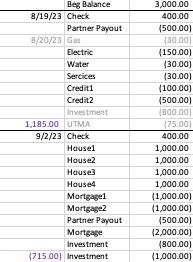
This is part 2. Now, part 1 accounts for the general timing of income and expenses, but it doesn’t perfectly capture the due dates, scheduled payments, or whether I’ve paid it and it’s hit the account.

The top line is linked to the section that I update our checking and savings account balances. Then I transfer all the items per pay period into this list format. In this example, let’s say I’ve already scheduled the gas payment. So I mark it as gray and put the date in the left column. Similarly, our investments are automatic, so I mark them in gray as we get to that two-week period.

At each border lined, I put the total for that section. You can see that at the end of the 9/2/23 pay period, I project a negative balance. Truly, we seem to have more income than I project (rewards cashed out, someone paying partial rent a little early, etc.), so I don’t take any action until I need to. There are Federal regulations regarding savings accounts; so we can only make 6 withdrawals from the savings account before fees apply. I manage these projects to know whether I need to make a withdrawal. If I need to, then I project what other expenses I may have and transfer a little more than I deem necessary.

THE PLAN

So our first step to him leaving is to pretend we don’t have his salary. Mr. ODA set up a new bank account. The majority of his paycheck goes into that account. We still have $250 going into another account, and about $400 going into a third account because we need to meet the requirements of direct deposits to prevent any account maintenance fees.

Our general principals in account management was always to take money into our main checking account, pay out bills for that two week period, and put the balance into savings. However, that wasn’t creating any forced feeling of managing without Mr. ODA’s salary. I’m more of a visual learner, so I appreciated this concept of having the money automatically transferred to a completely separate account.

EXECUTION OF THE PLAN

The first month of this plan had me on edge. The accounting in the checking account meant I was constantly back down to a balance of about $500. When I worked in an office, I was at the computer everyday checking our money. Now that I’m responsible for 3 tiny humans, I’m rarely on the computer. I project out our routine expenses, but there have been plenty of times where a $100 or $500 charge goes through that I didn’t have listed in my expense column for that period. Therefore, I like to keep at least $1000 as a buffer in the checking account to cover those little expense that can add up. So keeping the projection to less than $500 in the checking account panicked me.

Now wait. It’s not that we only had $500. We have a savings account linked to that checking account. We have this online account that’s taking Mr. ODA’s salary and just building the balance because we don’t use that account for anything. We have Mr. ODA’s old personal checking account. And last but not least (as my adorable 3 year old says all day long), we have plenty of investments that can be liquidated within 24 hours. We have the money. It’s just the panic of having the money in the spot where the bills are being paid.

SUMMARY

I’m sure there are easier ways or “better” ways to account for this. I don’t like automatic payments for bills because I like scheduling them against our cash flow. I’ve used this exact set up since 2012, and it hasn’t failed me. Taking full responsibility to pay bills means I am very scared to miss a payment and cause a negative hit on either of our credit reports.

Now that we’ve eliminated about $5,000 per month of income, without changing our spending in any way, I’m interested to see how things go. We have a great spending mentality – we’re not spending on frivolous items and we weigh the cost benefit of a purchase to us. That’s not to say we can’t do better. I’m sure we can be more diligent about our grocery spending or at least cooking what we already have in the house (we don’t spend much at restaurants in a month). I’ve already started tracking our expenses month to be sure we can watch our trends and re-evaluate our spending if needed.

Now that we have this account growing with no need for it to pay the bills, we will use it for fun things. We’re not very good about doing fun things. Two summers ago, we wanted to buy a vacation home at a nearby lake. We decided that instead of spending $1200 per month on a mortgage to go to the same place all the time, we’d plan vacations each month and spend up to $1200 without “guilt.” It was great. We had so much fun. But it lasted 3 months. Having a newborn put a damper on activities, but we’re ready to do the same again.