5% Rent Cap

The President issued a statement calling on Congress to cap rent increases at 5%, specifically for corporate landlords. The statement appears to define corporate landlords as those owning over 50 units in their portfolio. This was not an executive action that is implemented. And while my numbers are different than the numbers of a “corporate landlord,” I do think it’s worth hearing a landlord’s side. I feel that there’s a lot of spite against landlords without a lot of knowledge about their actual financials.

I admit that there is a possibility that some of these companies with large complexes could be raking in on the fees or “utilities” that are in the unit, without actually providing a properly maintained building, but that’s not the case for everyone that’s labeled as a landlord. No one seems to step back and see that this is a business model for landlords, and while everything else around us is increasing in costs, rent needs to as well.

No one predicted such a significant rise in product costs or housing costs in such a short period of time, but here we are. And landlords aren’t in the business to graciously eat the costs of homeownership for renters.

LANDLORD COST INCREASES

The Presidential statement released refers to a press release that starts with, “Today’s U.S. Labor Department Consumer Price Index (CPI) report revealed costs remained largely unchanged in May, with overall inflation cooling faster than economists expected as the Fed considers finally reducing interest rates below a 23-year high.” Is there a comparison to costs that landlords had to take on because the costs of everything increased faster than expected back in 2020-2022? Increases have been seen on small things like a maintenance call for a technician, but also big things like property taxes and insurance.

That same article goes on to state, “Since 2019, the cost of rent has risen 31.4%, with wages only increasing 23%, as tenants on average need to earn nearly $80,000 to not spend 30% or more of their income on rent.” In 2019, on one of my properties, the taxable assessment was $95,000, which equated to about $1,200 per year in taxes. In 2024, the taxable assessment was $242,000, which equates to about $3,000 per year in taxes. That’s a 61% increase in just my taxes over that same period of time where they’re complaining that the cost of rent increased by 31.4%. If rent had been set based on the 1% rule in 2019, rent would have been $950 per month. Had I increased 5% each year from 2019, it would be $1,212 in 2024. If I set rent based on the 1% rule now, it would be $2,420. However, the rent on the property is $1,750. So while it’s more than 5% each year since 2019 (the baseline the government is using), it’s set at an amount where I capture my expenses for owning the house, while also turning a small profit.

It’s taboo for a landlord to turn a profit, but that’s why we’re here. It’s an income stream that we’re establishing for profit. I don’t get to pay myself an hourly rate for managing the property. So this “profit” can actually be looked at like a salary. Every time I need to show the property to a prospective tenant, the lease signing, the walk through, every call or text you make, every trade that I need to schedule and coordinate with the tenant on, any fixes or improvements that I do myself. All of these minutes in a day add up, and I’m not directly paid for any of them.

On the particular house that I’m using for the example, we are assuming $300 per month in profit, which comes to $3,600 per year. Would you work as a manager of a company (e.g., hiring trades to fix things, performing maintenance, making sure all bills are paid timely, general management of having liabilities), for only $3,600 per year?

I wrote a post last Fall about the changes in my rental fixed costs from a year prior. I plan on doing the same this fall when more tax information comes due. The house I’m referring to has been at $1,750 for the past two years. However, between 2022 and 2023, my taxes and insurance have increased by $255 per year. That’s a cost that I’ve “eaten” from my “profits.” I could have said that equates to $22 per month increase, and I could have projected a similar increase for the year coming. I could change their monthly rent to be $1,790-$1,800 to keep my profits on a similar path. However, I didn’t, because they’re good tenants that haven’t had many maintenance calls.

However, if I don’t increase every year, then I could find myself in a sudden deficit like I did during the pandemic because costs increased faster than projected. A 5% cap could actually incentivize annual increases because I wouldn’t want to be caught behind and not able to catch up down the road.

LEASE TERMS

The Federal Housing Finance Agency announced protections for renters in multifamily properties that are financed with loans backed by Fannie Mae and Freddie Mac. The protections include: (a) requiring 30 day notice before rent increases; (b) requiring 30 day notice on lease expirations; and (c) providing a 5 day grace period before imposing late fees on rentals. I know for a fact that every single lease I’ve executed personally already has all of these requirements in it, at a minimum. In many cases, there’s a clause for 60 day notice of a potential rate increase, with negotiations being completed before 30 days from lease expiration.

Some states already have this codified. Other jurisdictions have landlord/tenant agreements that give the tenants rights (and awareness of rights) that can be lobbied against if the landlord is noncompliant.

There’s a clause that I’ve seen that requires expired leases to auto-renew on a month-to-month basis instead of for another year. I would argue that a requirement to renew a lease month-to-month instead of annually actually hurts a tenant. A landlord then only needs to give 30 days notice of a rent increase, and they could technically increase it month after month.

SUMMARY

If the ‘cap’ were to apply to me, then I’d be more inclined to increase rent every year. As a general rule, I increase rent for long term renters by $50 every two years. When we turnover a property, we will evaluate market rent in the area and set the monthly rent at what we see (which could be more than $50). In some cases, the evaluation ends up being too high, and we set the rent at something we think more people can afford. For example, there were comparable houses renting at $2,200 near a house we had listed. We’d rather get the property rented than shoot for top dollar, so we listed it at $1,600. While lower than “market value” probably called for, it was $400 higher than what we had it previously rented at, which covered cost increases that weren’t previously covered.

In the post that I previously linked, I highlight that our standard for increases barely offsets our increase in expenses. While we manage each house individually on setting the rates (asking ourselves: do we think the tenant can absorb the increase, do we have to increase to cover actual costs now), our monthly income among all houses was increased by $475. If you add up the cost increases for taxes, insurance, and property management (increased rent means increased fees because fees are based on the rent price), our costs went up $415 (and that’s before any service calls). On a whole, we’ve offset the ‘fixed cost’ increases. We’re taking ‘losses’ on houses where our routine for increases is slower. Therefore, having 13 properties affords us the ability to be more lenient with tenants and to keep good tenants in the house instead of forcing them out with hgher rent increases.

I support having protections in place for tenants. I’m sure there are landlords out there that aren’t interested in playing ‘by the book’ and just being decent human beings like I intend to. However, landlords are people too, and they’re running a business. Creating boundaries without fully understanding both sides of the situation and focusing on data points that only support your theory is unfair. I’ve joined the Landlord/Tenant Advisory Committee in my city. I hope to bring more awareness to the landlord side of things and bridge the gap between landlords and tenants when it comes to responsibilities.
Financial Freedom

Our church had a series about “taking significant steps toward financial freedom.” In their terms, financial freedom doesn’t mean FIRE (Financial Independence, Retire Early), which is usually what we’re referring to here. They mean that they want people to be free of financial burdens and not “bound up” by finances. Mr. ODA and I have been in control of our finances for a long time now, so this isn’t teaching us much about what to do differently. However, I’ve enjoyed learning their perspective and have several take aways to share.

Many have heard of Dave Ramsey when it comes to christian-based financial teachings. Dave tells you to pay off all your debt and pay cash for everything. We disagree with that approach. Debt is not bad when it’s used responsibly and you’re being a good steward with your finances, and that’s what our church’s lesson is too.

People seem to think it’s ‘cool’ to talk about how ‘broke’ you are. And yet, it’s taboo to mention if you’re in a good position with your money. What if we made it so that you’re taught that when you find someone in a better financial position than you, you ask questions and learn what decisions got them to that position?

The lesson is how to manage your mentality with money. It’s not about restricting your spending or making you feel guilty for buying your coffee, but it is about how you make informed decisions day-to-day that grow you towards a position where money isn’t controlling every aspect and decision of your life in a stressful manner. If you take control of your money, instead of your money controlling you, you’ll work towards eliminating that stress.

THE WHY

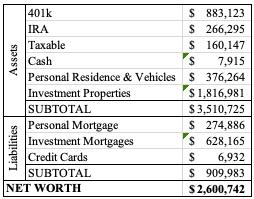
The workbook starts by asking you to determine your net worth. Money-in minus money-out is your cash flow, while assets minus liabilities are your net worth. The goal here is the gauge the current status of your money and where you should probably plan to be. There’s also an exercise where you determine your motivation. Are you motivated by freedom from financial burden, having a feeling of security, having power, or through love and giving? When you determine your “why” behind making money, you know what direction to go.

Making more money isn’t always the right answer. To make more money, you may need to take on a second job or more hours at your current job. Is putting that time in worth the extra money that you’ll bring in? Will putting those extra hours in make you more happy? If not, perhaps decreasing expenses is that way to go to make ends meet. If you don’t have the ability to take time for yourself or do things that bring you joy or have “down time,” then it’s not worth taking more time from your week.

I quit working in May 2019. Since then, I’ve done odd jobs just out of excitement, not financial need. I learned different industries and only had to commit part time. I was recently feeling the pull to find another part time job. There’s a consignment sale that comes into town twice per year, and they were hiring. They said they pay $8 per hour with at least a 4 hour per shift commitment. The consignment sale is being held 30 minutes from my house. That means that a 4 hour shift requires me being out of the house for 5 hours. The gas to get there and back would cost me about $7 per day. That means I’m out of the house for 5 hours (away from nursing my baby and being with my kids) for $25 before taxes. That cost/benefit ratio was not worth it to me.

THE PLAN

My favorite analogy given was to a plumber. A plumber doesn’t just start laying pipes in walls and hope it works out. He will have a plan of how to get water from the source to the faucet. Without that plan, how would you know that the water will get to where you want it to go? Same with money. If you don’t have a plan for your money, how will you know that it’s going to the right places with minimal effort? Without a plan, that’s where the stress comes in.

If you’re worried that you’ll be able to pay your electricity bill, then money is controlling your life. Sit down and make the plan. Allocate funding to the necessities first. It’s ok to eat at a restaurant or buy a coffee, but is putting your money towards those expenses creating financial freedom or causing more stress?

Mr. ODA and I have a money-spending mentality, rather than a budget. In my opinion, when you create a budget, you’re either looking to spend everything you’ve set aside in that ‘envelope,’ you’re willing to move money around without discipline, or you think of left over money in that ‘envelope’ as a bonus and you spend frivolously. If you put $500 for the month’s groceries in an envelope, but you only spend $450, what are you doing with that $50? I’ve seen it happen plenty of times that someone splurges. Instead, Mr. ODA and I weigh every single purchase. Literally every purchase, I swear. I told the story about my weighted tape dispenser.

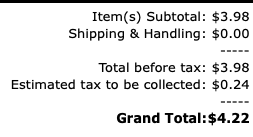
Every single year, I sit on the floor and wrap Christmas gifts. I don’t seem to notice during the year when I’m doing birthday gift wrapping (or perhaps I’m quick to grab a bag instead of wrapping paper for those instances), but at Christmas it’s apparent. I need a weighted tape dispenser. Having to find the tape on the floor in a mess, then having to use two hands to get a piece of tape off the little plastic dispenser, is just so much stress. It was YEARS of thinking “I need a weighted tape dispenser. Nah, I don’t need it for just this one week every year.” I finally bought one. It was $4.22. I agonized over this purchase because I didn’t feel it was truly a necessity and it turned out to be less than $5.

Grab your bank account statements and credit card statements. How much money did you spend? In what categories did you spend that money? Was it for necessities or was it spending that creates a strain on your ability to pay the necessities?

This is an exercise worth doing if you feel you’re drowning. I see posts daily in my mom groups that people say they make “good money,” but they can’t seem to pay the bills. I want to intervene. “Did you stop at the gas station on the way home from work to get a gatorade?” You could buy a 16 pack of gatorade, put it in your refrigerator, and have it waiting for you when you get home, which is probably about the same amount of time for not stopping at the gas station to make that inflated purchase.

So many people don’t seem to realize how fast those daily, small expenses add up. Ask yourself if there’s a better way to get such gratification, but in a way that furthers your dollar earned. Create the habit of weighing each purchase, determining if it brings you joy, and then either walking away or purchasing it. Know that if you purchase it, that will have ripple effects. So if you’re worried about paying that electric bill, then that instant joy gratification wasn’t a step towards financial freedom, where money isn’t controlling you.

May Financial Update

RENTAL PROPERTIES

We paid $2,850 in extra principal towards the main mortgage we’re paying down, leaving that mortgage with a balance of $5,500. We had a $4k flooring purchase on another house that has set our pay off timeline a few weeks back, but we’ll still have that mortgage paid off in the next couple of months. We have a rental property that we purchased in 2016 that has flooring that’s at least that old. The carpet has long passed its useful life, and the linoleum in the kitchen and laundry room has started to peel up at the seam. Typically, we wouldn’t want to replace flooring while a tenant still lives there, but they’ve lived with this for almost a year, and they’ve been our tenants since we purchased the house. As a means of keeping the tenant happy, we agreed to replace the flooring in all the rooms except the bathrooms.

We had two of our tenants not pay rent by the 5th, as required by the lease. They’re the two that are typically late, and they’re typically not up front with telling us about it. We’ve said several times that we’re really flexible landlords, but we can’t be flexible if we’re not told what is happening. With one tenant, who had just recently irked us with a plumbing issue and being incommunicado, we didn’t even reach out for information. We’ve had enough of their antics and having to chase them for rent. So I simply sent them their notice of default letter, outlining all their rights as tenants as now required under COVID-related procedures. I received an email letting me know that they’d pay on the 7th. I love their nonchalant response, like they hold the power and will pay whenever they feel like it (hmm). For the other tenant that was late, she texted to say she’d be late with the payment on the 7th, and then on the 7th only paid part of the rent due. She said she was in a car accident and there was an issue with her sick leave pay out, but she’d get it to us when it got fixed. She resolved it on the 12th, although still without the late fee.

We were able to get the invoice on the HVAC replacement for one property, which meant we paid our partner the $3,288 we owed him, on top of his usual $2,167 that we pay out for him to pay the mortgages and then his share of the profits (since I manage all the rent collections).

OUR SPENDING

Our credit card balances are high for several reasons. The $4k flooring purchase; as well as the insurance for one of our properties that isn’t escrowed because we paid off that mortgage, which was $436; an expensive gift purchase that isn’t transparent in the cash and credit line items because that cost was split 3 ways (i.e., we received 2/3 of that cost back in cash, but it’s still reflect in the credit line); and our travel.

We booked a camp site for the end of the month that required payment up front. We just got back from a trip, which increased our spending. But I’ll note that when we travel, we’re not eating expensive meals. Our interest is in the experiences and activities, rather than exploring sit down local restaurants. Our food for 5 days cost us $161 as a family of 4. We also ended up only paying for 2 of the 4 nights in the hotel because the air conditioning was broken, even after they came to ‘fix’ it, and then, when I was checking under the bed to see if any toys or socks got left behind as we were leaving, I found a large, dead roach. We didn’t ask for any comps; one was automatically reflected in my final invoice without my prompting, and then when the manager was speaking to Mr. ODA about his stay, he volunteered removing another night.

We opened a new credit card to take advantage of the bonuses since we knew we’d have this travel and the flooring cost to meet the $4,000 spending threshold for their bonus. This credit card has an annual fee of $95 and no 0% interest period, which goes against our norm when looking to open a new credit card. However, the bonus can be transferred to our Chase Rewards Portal, where we can use it to book travel at 50% the cost. We also received a $50 grocery credit.

ROUTINE UPDATES

  • My husband and I cashed in the last of his savings bonds that we got as children, so that was an extra $735 that we brought it that wasn’t planned.
  • We paid about $6,074 for our regular mortgage payments. Several of our properties had mortgage increases due to escrow shortages. I haven’t figured out which I dislike more: planning for tax and insurance payments, or the large escrow increases that seem to happen year after year. I think it’s the escrow though.
  • Every month, $1100 is automatically invested between each of our Roth IRAs and each child’s investment accounts. I should also note that I don’t speak to other investments because they happen before take-home pay, but my husband maxes out his TSP (401k) each year as well, which I had also done when I was employed.
  • Our grocery shopping cost us $700. Honestly, I don’t even know how to explain that cost jump. I think it’s because my husband shopped some deals at Kroger and Costco, so we stocked up on some things that aren’t part of our routine purchasing.   
  • We spent $200 on gas. Two trips to Cincinnati, our trip to Atlanta, and then more-than-usual trips around town. 
  • $400 went towards utilities. It’s higher than last month because we paid 3 months of our cell phones, which gets us back on quarterly billing as a family. Utilities include internet, cell phones, water, sewer, trash, electric, and investment property sewer charges that are billed to the owner and not the tenant. We still haven’t sought reimbursement from the builder on our electric bill, but this month’s bill was even less than the last month’s. 
  • Our entertainment costs included baseball game tickets for our trip as well as two games later this summer, parking for the games this past weekend, a new shirt for our son, activities for the kids, and the hotel. This past month, we spent $650 on things I’d classify as entertainment related. I also included boarding for our dog ($100) in this total.
  • Speaking of our dog, he had his annual appointment (shots and the year’s worth of preventative medicines), and that cost us $500.
  • We spent $292 eating at restaurants and ordering take out. We utilized a Door Dash credit on one of our Chase credit cards, which was about $30.
  • But! I killed it with running errands this month and actually returning things that needed to be returned. I returned $150 worth of items one day!
  • We paid our State taxes during this period too. Between two states, that was $954. Also, anecdotally, I’ll share that we spent $6.40 to mail our Virginia tax return. We processed our taxes through Credit Karma, as we had done last year. We got through the federal e-file and moved onto the state filing, only to find out that if you’re filing partial states, Credit Karma doesn’t support it. I had to print 70 pages of our federal return, sign it, and ship it off to Virginia.

SUMMARY

Our net worth actually dipped this month. The stock market is the main factor in that, but the house valuation estimates are starting to level off and look more realistic as well.

Between our personal lives and our business life with these rental properties, we were sure kept busy. We expect the Spring months to be a busy time of year, and honestly it feels good to be active again. While we’ve loosened the purse strings for the summer months, especially after having done hardly anything for the last year, it was still a shock to see just how much we spent in these categories. But that’s the benefit of looking at your finances regularly. We can either choose to remain on course with our summer plans, or we can dial it back if we feel this was more than we expected.

Since we know we’re on top of our finances and have set up a healthy mentality when it comes to spending, we’re comfortable looking at this information once a month. If you’re currently developing these money habits, you may want to do these types of check-ins more frequently.