Financial Freedom

Our church had a series about “taking significant steps toward financial freedom.” In their terms, financial freedom doesn’t mean FIRE (Financial Independence, Retire Early), which is usually what we’re referring to here. They mean that they want people to be free of financial burdens and not “bound up” by finances. Mr. ODA and I have been in control of our finances for a long time now, so this isn’t teaching us much about what to do differently. However, I’ve enjoyed learning their perspective and have several take aways to share.

Many have heard of Dave Ramsey when it comes to christian-based financial teachings. Dave tells you to pay off all your debt and pay cash for everything. We disagree with that approach. Debt is not bad when it’s used responsibly and you’re being a good steward with your finances, and that’s what our church’s lesson is too.

People seem to think it’s ‘cool’ to talk about how ‘broke’ you are. And yet, it’s taboo to mention if you’re in a good position with your money. What if we made it so that you’re taught that when you find someone in a better financial position than you, you ask questions and learn what decisions got them to that position?

The lesson is how to manage your mentality with money. It’s not about restricting your spending or making you feel guilty for buying your coffee, but it is about how you make informed decisions day-to-day that grow you towards a position where money isn’t controlling every aspect and decision of your life in a stressful manner. If you take control of your money, instead of your money controlling you, you’ll work towards eliminating that stress.

THE WHY

The workbook starts by asking you to determine your net worth. Money-in minus money-out is your cash flow, while assets minus liabilities are your net worth. The goal here is the gauge the current status of your money and where you should probably plan to be. There’s also an exercise where you determine your motivation. Are you motivated by freedom from financial burden, having a feeling of security, having power, or through love and giving? When you determine your “why” behind making money, you know what direction to go.

Making more money isn’t always the right answer. To make more money, you may need to take on a second job or more hours at your current job. Is putting that time in worth the extra money that you’ll bring in? Will putting those extra hours in make you more happy? If not, perhaps decreasing expenses is that way to go to make ends meet. If you don’t have the ability to take time for yourself or do things that bring you joy or have “down time,” then it’s not worth taking more time from your week.

I quit working in May 2019. Since then, I’ve done odd jobs just out of excitement, not financial need. I learned different industries and only had to commit part time. I was recently feeling the pull to find another part time job. There’s a consignment sale that comes into town twice per year, and they were hiring. They said they pay $8 per hour with at least a 4 hour per shift commitment. The consignment sale is being held 30 minutes from my house. That means that a 4 hour shift requires me being out of the house for 5 hours. The gas to get there and back would cost me about $7 per day. That means I’m out of the house for 5 hours (away from nursing my baby and being with my kids) for $25 before taxes. That cost/benefit ratio was not worth it to me.

THE PLAN

My favorite analogy given was to a plumber. A plumber doesn’t just start laying pipes in walls and hope it works out. He will have a plan of how to get water from the source to the faucet. Without that plan, how would you know that the water will get to where you want it to go? Same with money. If you don’t have a plan for your money, how will you know that it’s going to the right places with minimal effort? Without a plan, that’s where the stress comes in.

If you’re worried that you’ll be able to pay your electricity bill, then money is controlling your life. Sit down and make the plan. Allocate funding to the necessities first. It’s ok to eat at a restaurant or buy a coffee, but is putting your money towards those expenses creating financial freedom or causing more stress?

Mr. ODA and I have a money-spending mentality, rather than a budget. In my opinion, when you create a budget, you’re either looking to spend everything you’ve set aside in that ‘envelope,’ you’re willing to move money around without discipline, or you think of left over money in that ‘envelope’ as a bonus and you spend frivolously. If you put $500 for the month’s groceries in an envelope, but you only spend $450, what are you doing with that $50? I’ve seen it happen plenty of times that someone splurges. Instead, Mr. ODA and I weigh every single purchase. Literally every purchase, I swear. I told the story about my weighted tape dispenser.

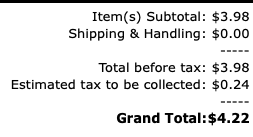
Every single year, I sit on the floor and wrap Christmas gifts. I don’t seem to notice during the year when I’m doing birthday gift wrapping (or perhaps I’m quick to grab a bag instead of wrapping paper for those instances), but at Christmas it’s apparent. I need a weighted tape dispenser. Having to find the tape on the floor in a mess, then having to use two hands to get a piece of tape off the little plastic dispenser, is just so much stress. It was YEARS of thinking “I need a weighted tape dispenser. Nah, I don’t need it for just this one week every year.” I finally bought one. It was $4.22. I agonized over this purchase because I didn’t feel it was truly a necessity and it turned out to be less than $5.

Grab your bank account statements and credit card statements. How much money did you spend? In what categories did you spend that money? Was it for necessities or was it spending that creates a strain on your ability to pay the necessities?

This is an exercise worth doing if you feel you’re drowning. I see posts daily in my mom groups that people say they make “good money,” but they can’t seem to pay the bills. I want to intervene. “Did you stop at the gas station on the way home from work to get a gatorade?” You could buy a 16 pack of gatorade, put it in your refrigerator, and have it waiting for you when you get home, which is probably about the same amount of time for not stopping at the gas station to make that inflated purchase.

So many people don’t seem to realize how fast those daily, small expenses add up. Ask yourself if there’s a better way to get such gratification, but in a way that furthers your dollar earned. Create the habit of weighing each purchase, determining if it brings you joy, and then either walking away or purchasing it. Know that if you purchase it, that will have ripple effects. So if you’re worried about paying that electric bill, then that instant joy gratification wasn’t a step towards financial freedom, where money isn’t controlling you.

Our Money Management

I manage all our income and expenses (at a high level, like credit card payments, not individual line items). I have a spreadsheet that I set up in 2012 and have used religiously since then. I’ve shared how I set it up in the past, but we’ve entered a new phase that makes my spreadsheet even more important to me.

BACKGROUND

FIRE. Financial Independence, Retire Early. This isn’t a post about FIRE specifically, although it’s the movement that sparked Mr. ODA to go down our financial path.

The purpose of our rental portfolio was always for both Mr. ODA and I to quit working. We had covered my income before any kids were born, but I kept working because there was no reason to not be working. Once our son was born, I took 14 weeks maternity leave (not a separate bucket for Federal employees back in 2018; it came out of my own accumulated sick leave), then I worked about every other day for 8 months while Mr. ODA and I swapped child care roles, and I burned down my leave.

While we don’t plan to work full time, we do plan on keeping part time positions. We’ll work on things that bring us joy, rather than an office job with office politics. Since I stopped working, I’ve done odd jobs, part time. For example, I worked as a census taker and served beer at a local race track over the last 4 years. These were all seasonal, part time positions, with no long term commitment.

Now that I quit working, it’s Mr. ODA’s turn. We hardly skipped a beat when we left my six-figure salary behind (although a pandemic probably helped curtail spending on our behalf!). However, the thought of losing his salary as a safety net and losing insurance are two items that have caused some pause.

THE SPREADSHEET

For you to understand my panic that I’ll get into here, I thought a quick reminder was necessary. This is how I manage our money. It’s nothing fancy, but it works. I don’t miss payments. I can allocate expenses to a specific 2-week period against what income is brought in at that time.

There are two parts to the spreadsheet. Well, there are about 10 tabs, but this first tab, with two sections, is what’s pertinent.

Part 1 is this section. This image is a very scaled down version of the section. We have 13 houses, 6 mortgages that get paid, 6 credit cards that get paid regularly, and a few other lines that I removed.

All numbers are made up place holders, except the investments. I deleted my IRA contribution line because it’s wonky (but I will max out IRA contributions), but I wanted to show how much we’re investing regularly. There’s $75, per kid, per month, going into their investment accounts. Then there’s general investing happening with one $1000 transaction and two $800 transactions per month. Mr. ODA is investing into his IRA to max it out ($6500/12=$541 per month..sort of).

You can see that I’ve listed Mr. ODA’s pay dates at the top, and then his salary income on the next line. The gray section accounts for all rental income. I’ve allocated the income into the salary two-week period that makes the most sense (about half pay me on the 1st or 2nd, and the rest pay on the 5th). The green section shows routine rental property expenses. The entire next section are our personal expenses. The blue is left over from when I was managing two personal homes last summer (but kept it to differentiate our house bills versus other bills). The next gray section (which I’m only just realizing is a second gray and should be a different color as to not conflate the two grays.. what a rookie mistake) accounts for expense that come out of Mr. ODA’s bank account. Finally, I have an “other” section. This is where I capture large expenses that don’t need their own line item because they only happen once or twice a year. Here I’ve put tax payouts that will be due in October (that’s 4 houses worth, and it’s last year’s numbers – because I want to know how this year’s amount owed, when it comes in, changed from last year’s to discern if it’s reasonable or if I need to dig into it).

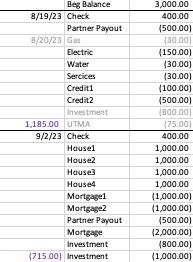
This is part 2. Now, part 1 accounts for the general timing of income and expenses, but it doesn’t perfectly capture the due dates, scheduled payments, or whether I’ve paid it and it’s hit the account.

The top line is linked to the section that I update our checking and savings account balances. Then I transfer all the items per pay period into this list format. In this example, let’s say I’ve already scheduled the gas payment. So I mark it as gray and put the date in the left column. Similarly, our investments are automatic, so I mark them in gray as we get to that two-week period.

At each border lined, I put the total for that section. You can see that at the end of the 9/2/23 pay period, I project a negative balance. Truly, we seem to have more income than I project (rewards cashed out, someone paying partial rent a little early, etc.), so I don’t take any action until I need to. There are Federal regulations regarding savings accounts; so we can only make 6 withdrawals from the savings account before fees apply. I manage these projects to know whether I need to make a withdrawal. If I need to, then I project what other expenses I may have and transfer a little more than I deem necessary.

THE PLAN

So our first step to him leaving is to pretend we don’t have his salary. Mr. ODA set up a new bank account. The majority of his paycheck goes into that account. We still have $250 going into another account, and about $400 going into a third account because we need to meet the requirements of direct deposits to prevent any account maintenance fees.

Our general principals in account management was always to take money into our main checking account, pay out bills for that two week period, and put the balance into savings. However, that wasn’t creating any forced feeling of managing without Mr. ODA’s salary. I’m more of a visual learner, so I appreciated this concept of having the money automatically transferred to a completely separate account.

EXECUTION OF THE PLAN

The first month of this plan had me on edge. The accounting in the checking account meant I was constantly back down to a balance of about $500. When I worked in an office, I was at the computer everyday checking our money. Now that I’m responsible for 3 tiny humans, I’m rarely on the computer. I project out our routine expenses, but there have been plenty of times where a $100 or $500 charge goes through that I didn’t have listed in my expense column for that period. Therefore, I like to keep at least $1000 as a buffer in the checking account to cover those little expense that can add up. So keeping the projection to less than $500 in the checking account panicked me.

Now wait. It’s not that we only had $500. We have a savings account linked to that checking account. We have this online account that’s taking Mr. ODA’s salary and just building the balance because we don’t use that account for anything. We have Mr. ODA’s old personal checking account. And last but not least (as my adorable 3 year old says all day long), we have plenty of investments that can be liquidated within 24 hours. We have the money. It’s just the panic of having the money in the spot where the bills are being paid.

SUMMARY

I’m sure there are easier ways or “better” ways to account for this. I don’t like automatic payments for bills because I like scheduling them against our cash flow. I’ve used this exact set up since 2012, and it hasn’t failed me. Taking full responsibility to pay bills means I am very scared to miss a payment and cause a negative hit on either of our credit reports.

Now that we’ve eliminated about $5,000 per month of income, without changing our spending in any way, I’m interested to see how things go. We have a great spending mentality – we’re not spending on frivolous items and we weigh the cost benefit of a purchase to us. That’s not to say we can’t do better. I’m sure we can be more diligent about our grocery spending or at least cooking what we already have in the house (we don’t spend much at restaurants in a month). I’ve already started tracking our expenses month to be sure we can watch our trends and re-evaluate our spending if needed.

Now that we have this account growing with no need for it to pay the bills, we will use it for fun things. We’re not very good about doing fun things. Two summers ago, we wanted to buy a vacation home at a nearby lake. We decided that instead of spending $1200 per month on a mortgage to go to the same place all the time, we’d plan vacations each month and spend up to $1200 without “guilt.” It was great. We had so much fun. But it lasted 3 months. Having a newborn put a damper on activities, but we’re ready to do the same again.

August Financial Update

It’s getting to be that time of year when large payments need to be made. I’m projecting out our account to cover several tax payments in October and December. I’m also paying insurance amounts, such as $1500 for two houses that’s currently on the credit card. We also have about $5,000 sitting on that 0% interest credit card that will need to be paid off by October 1st (when the 0% incentive expires).

Our credit card balances are higher than average because of rental payments. In addition to the insurance payments, we had an invoice come in that I knew was going to be high. We paid for the water line from the street to the house on a rental to be replaced, which was $3,080.

June and July were rough sick months on us, so now I’m paying those medical bills almost daily it seems. We reached our deductible early this year, so these are just the coinsurance amounts; those $5-20 payments add up though.

Our insurance adjuster finally came out, three weeks after the incident. He literally said “I’m not a contractor, and I’m not from here so I don’t know the codes,” and then proceeded to do the estimate wrong. He was missing items, called things the wrong thing (like a Trex water proofing system that costs $1500 just for materials, he called it a “vapor barrier” and put $190). Now we’re waiting on a second adjuster to come out and meet the deck contractor to go through what actually needs to be done. All the while, our 3 year old keeps sadly saying “I don’t like our broken deck.”

I had to call a medical provider and get some money back. I told them I didn’t want to pay in advance because then I have to call them to get my money back. They said “we’re good about sending it back” and said “it’s simple, it’s just 5% of the total cost.” I said “the total cost isn’t what the insurance allowance is, so whatever I pay you will end up being less.” So now I had to take time out of my day, after giving them a month to do it on their own, to call with 3 kids in the background making noise, and get my $5 back. But then there was a surprise where another urgent care that we saw almost a year ago sent me back the $20 I paid them. That one had slipped through the cracks on me. I had noted that I overpaid them, but then I had a baby!

We had two rentals not be able to pay rent on time this month. One was able to pay on the 12th, which they did. Another paid what they could, and I’m still waiting on the rest. I actually told them to catch up as they could because I didn’t want them to not be able to get their 3 kids ready for school. I’m waiting on an invoice from our handyman for work he’s done on multiple houses, an invoice from an HVAC guy who did work weeks ago, and a roofer to start his job that’s been two months in the making.

Our overall net worth went down slightly from last month because of market fluctuation. Our cash increased by over $30k, but that’s because we received a check from our insurance company to replace our deck after a tree fell on it last month. Some of that is going towards replacing furniture that has been bought already (so it’s on a credit card), and some of it is a reimbursement for the outlay I already made to remove the trees that fell on the deck and fence, but some of it is still to be paid out when the deck is replaced. In the meantime, we’re earning interest in our savings account on it at least.

Credit Card Rewards

I’ve not been quiet about the benefits of a credit card. We put every dollar we spend onto a credit card for the rewards, and we pay it off every month. Some cards give 1% back on purchases, some give another 1% back for payments (important to cash out your rewards to your checking account, and not as a statement credit because they don’t give 1% back for the credit), some have bonus categories where they increase the percentage back (e.g., 5% back for gas purchases), and some have retailer-specific incentives.

PERCENTAGE BACK

There are the flat rates given by some credit cards, and then there’s some bonus categories that provide an additional percent back.

In some cases, the percentages are fixed categories. You’ll get 1% back on all purchases, but then there are bonus categories. Their categories are 2% cash back on grocery store purchases, 3% on dining purchases at restaurants, and 4% on gas station purchases. However, this particular credit card caps the earnings at the first $8,000 in combined purchases in these categories annually, per your opening date. If you spend $300 per month on groceries and $200 per month on gas, that leaves about $165 per month on restaurant purchases. Those numbers are doable, but we spend more than $300 on groceries.

Then there are other credit cards with a revolving cash back category. This requires you to ‘active’ the reward and keep track of which reward is occurring in which quarter. However, these have lower spending limits before you run out of that extra bonus. “Earn 5% cash back on up to $1,500 on combined purchases in bonus categories each quarter you activate.” The bonus will default back to 1%, so it’s not a complete waste, but you may have a credit card that has a better-than-1% bonus for that category. We have a credit card that operates like this, and the only category that I seem to remember well enough to actual use is the gas one.

RETAILER BONUSES

While I’ve shared a lot on cash back type bonuses, I haven’t really touched on retailer-specific bonuses. Someone on Facebook recently shared a screenshot of their bank’s bonus. It’s an ability to earn 10% cash back when purchasing a Great Wolf Lodge stay.

It’s important to pay attention to the fine print on these types of offers. There’s usually a low cap on what you can earn, and there’s usually a fairly quick deadline associated with it. It also requires you to active the offer. That means that you can’t make the purchase and then go back to active it; you need to know about these opportunities in advance, active the code (usually by clicking something within your credit card portal), and then make the purchase. In some cases, it may even require you to use the link embedded in your portal to make the purchase.

Opportunities change frequently, but there are some that rotate fairly often. I currently have 25 offers available to me to activate. Some of them expire as early as 8/13, while some are good until October. Mr. ODA clicked a Kroger fuel offer. It states, “Earn 5% cash back on your Kroger Fuel purchase, with a $3.50 cash back maximum.” That means that if I spend more than $70 at the pump, then it will revert back to the 4% gas category. Here are the categories on this credit card.

SUMMARY

When looking for a new credit card to open, I always suggest looking for extra bonuses. Typically, we open a new credit card because we’re about to have a large spending need, so we’re looking for an introductory rate of 0%. There are other initial bonuses, such as spending $1000 in the first 3 months for a $300 bonus. We’re also typically looking for a $0 annual fee. I say typically because we have had credit cards with annual fees if we thought the incentives were worth the cost. In some cases, a credit card company may provide incentives that effectively reduce their annual fee (e.g., travel statement credit, paying for TSA pre-check).

When using a credit card with categories of cash back at a retailer, it’s a good practice to check back on how you earned cash back. For example, we have a credit card that provides bonuses for gas stations. However, their coding specifically only allows for purchases at the pump, and not purchases in the convenience store associated with those pumps. This was particularly frustrating because the “everyday spending” category only earned a quarter of a percentage, not even a whole percentage back.

We manage our purchases through 8 credit cards. That’s a lot to keep up with, and we’re not 100% on picking the “correct” card for the category that we’re spending (particularly when it comes to the card that rotates bonus categories each quarter).

In 2022, we earned over $2,000 worth of cash back based on our purchases, being diligent with the spending categories, and paying our credit cards off each month.

House 2 Turnover & Flooding

This is long; I understand. It’s a detail account of our experience dealing with a catastrophic event and navigating the insurance process and tenants.


Over the winter, I received a call from one of my tenants letting me know that water was pouring out of the house next door (that’s also ours). The tenants had turned off the heat… when it was 6 degrees for 3 days straight. The water heater is in the attic and a pipe cracked during the freeze. When it started to thaw, the constant water running filled up the house. Our property manager went to the house and found two inches of water throughout the entire house, along with a collapsed ceiling in the master bathroom. Over the next two days, the ceiling in the adjacent laundry room and the master bedroom also collapsed. 

We took immediate action on the water remediation process. The clean up company had to put several fans throughout the house and crawl space after sucking out the standing water. The next step was to purge the damaged drywall, insulation, cabinetry, flooring, etc. However, the tenant was in our way.

TENANT ACTION

The tenant’s renters insurance was responsible for removing their belongings. They created quite the speed bump, and the tenant’s items weren’t removed for 5 weeks. FIVE! The insurance company [supposedly] was requiring the use of a specific moving and storage company, who had no availability. Eventually, the tenant had the insurance company agree to them removing their own belongings to begin moving forward. They finally got their belongings out a week or so after that process started.

When we started going through the process of remediation, the tenant asked to speak with us over their concerns regarding mold. We refused because we have a property manager, and the relationship is between her and the tenant. We asked them to write us an email expressing their concerns, and we’d respond to that. They didn’t write the email. We told the property manager to relay the message that we want the house restored back to the condition (or better) that we kept the house in, and we have no expertise in this area, which is why we hired a remediation company to handle it, and I’m to trust that they do their jobs correctly to dry out the house. After that message, they didn’t push any further on the subject.

There was a nuance in the lease that if there was a catastrophic event, the tenant could choose to be let go from the lease agreement with 14 days; after that timeframe, they’re still considered responsible for the lease. The tenant read this and wrote us an email to enact it about 6 weeks after the event. Technically, we could have held them to their responsibility. However, there wouldn’t have been anything good to come from that. The tenant went from being understanding to quickly being nasty and unreasonable; it was best to cut ties.

We had told them not to turn off any electric (they were worried that water and electric don’t mix, so they shouldn’t keep the electric on; we shared that we need the house kept a reasonable temperature, so that’s not the right answer). However, they did turn off the electric shortly after that conversation. They ended up not getting their security deposit back to cover the utilities incurred and lost rent for their lack of payment through their notice. We also charged them for leaving the refrigerator in poor condition and us needing to get extra cleaning for that (which didn’t work and we ended up needing to replace it, but that wasn’t within enough time for us to know before the security deposit notification was due).

REMEDIATION CONTRACTOR

We hired a company to come out and dry out the space right away. I don’t know the details of this process because I trusted the company to know what needed to happen. They sucked up the water and put big fans throughout the house and crawl space to dry everything out. Their process was at least a week long.

They submitted their bill and dry logs to the insurance company for about $22k. The insurance company rejected their process and everything they did, and they agreed to pay out about $16k. The contractor balked at it, but we said we didn’t know how to help, and he had to speak to the insurance agent himself. They went back and forth for weeks. The contractor submitted a new invoice for $25k (why more than what it was originally?!). The insurance company eventually agreed to their $22k figure.

I tried to pay him in July for work done in January (that’s how long it took!). My bill pay system flagged the check because of the amount, but never told me. They claim it was quickly released and delivered as expected and on time, but the company never received it. I had my bank place a stop payment on it. Then I went to the bank to get a cashier’s check and mailed that to the company. That was 3 weeks ago, so I’m assuming he got the check since I haven’t heard from him.

REBUILD CONTRACTOR

We received three quotes for cleaning out the damage and rebuilding those parts of the house. None of the quotes were close to what the insurance adjuster gave us as an estimate. One of the three companies that gave us a quote asked to speak to our insurance company. They went through all the line items, and the insurance adjuster agreed to the contractor’s price for the work, which was about a $6k difference. 

The initial contract with this company required 50% of the estimate up front. However, we didn’t feel comfortable handing over $25k. I spoke to the contractor, and he agreed to three payments. Their first payment was allowed via credit card, so we were able to capture $340 worth of credit card rewards on that $17,000 purchase. The second $17,000 was due upon flooring completion, and it had to be paid via check. The final amount was due upon substantial completion.

I spoke to the contractor about the vinyl floor in the bathrooms, and he actually said they’d be willing to lay the luxury vinyl plank for the rest of the house through the bathrooms also. While I’m sure it cost them less to handle such a change, it was nice that he didn’t charge us for a contract adjustment.

Once the contract was executed, we had to pick out all the replacement things. This sounded overwhelming, but it was pretty straight forward! I only had to tell him the paint color I wanted, and then pick out the cabinets and flooring. I went with a white cabinet for the lowers in the kitchen and the bathrooms. The upper cabinets in the kitchen are a brown, but I wanted to “upgrade” where I could instead of trying to match the existing. I figure eventually the upgrades will come if we ever want to sell, so I may as well do it nicely now and only have to change a few things down the road.

There were a few more selections during the process – little things like knobs and light fixtures. Again, I chose nice light fixtures, even if they didn’t match the brass that was already in the house.

There were some hiccups along the way. They painted the house the wrong color. I specifically discussed changing the color from the what was there since the whole house was being painted. The original house was built with brown carpet and yellow walls. We kept it the same color all along because we didn’t want to go through the effort of changing it (cutting in, two coats, etc.). This was our chance to change it to the color we’re using on our houses to make it more consistent. With a grayish floor, it worked better to have a light green than a yellow anyway. They also threw away our bathroom vanity counter tops, so they had to replace those at no charge to us because they were supposed to be salvaged.

All in all, everything went well with the contractors.

OTHER REPAIR WORK

Our previous tenant had burned the kitchen countertop. We decided to just keep the burnt counter and re-rent it for the time being (we didn’t have a good amount of time to add another contractor into the mess we were cleaning up at that time). Well, with the bottom cabinets needing to be replaced, here was an opportunity to replace the counter. I asked the rebuild contractor what he could charge. He was going to charge over $2k to replace the two bathroom counters and the kitchen counter.

He made the mistake of giving me the link to the countertop he would use for the bathrooms. It was $119. He charged $221.50. He also had a labor charge, plus a 10% charge for overhead, plus a 10% charge for profit. Once I saw all those details, I was put off. We said we’d just keep the bathroom counters and sinks – they were cultured marble, so they were fine, just more yellow than white. Then his guys ended up throwing away our counters by accident, and we ended up getting new bathroom countertops and sinks anyway for no charge to us.

We asked our handyman if he could do kitchen counters. He was able to get the new countertop installed and the sink set for under $500.

INSURANCE COMPANY

Our insurance company was actually really difficult to work with. They were willing to hand out money, but they weren’t there to communicate. Several voicemails and emails were left unanswered. Sometimes we’d get a random email that would say “I put a check in the mail,” but mostly, we just kept making phone calls that went nowhere.

Depreciation

As someone who worked in finance, the term depreciation makes no sense to me. The insurance company kept about $6k of our total amount they agreed to pay on the estimate. Once all the work was completed, we provided receipts of the work, and they paid out the rest of the estimate.

Because we had the rebuild contractor not do some of the activities from the original estimate (the washer and dryer were thrown away, so they weren’t hooked back up), or we had our handyman handle some of the items because they weren’t getting done (hooking up the dishwasher), the final estimate was lower than the original amount. Then I included the invoice from our handyman for the work that he accomplished. The total between these two invoices ended up being more than the original estimate from the rebuild contractor, which I expected was our loss, but the insurance company actually paid out on it.

Lost Rent

The insurance policy covered the lost rent for our vacancy. They took our lease agreement, determined the per diem amount, and then agreed to cover until the work was completed. There was a disagreement on when the work would be completed (they took a date off some paperwork that we had never seen, while we were told by the rebuild contractor that he’d be done by April 20th). Once we got that sorted, they sent us a check to cover all of March and most of April. We were able to get the house rented at the end of April, so it was only truly considered vacant for 3 days of the year, which I find impressive.

Utilities

The tenant turned off the electricity about a week after the incident (although we told him not to). Luckily, I have a program set up where the utilities aren’t actually ever turned off, but they’re reverted back to my name. We submitted receipts to the insurance company, who agreed to pay the excess amount of charges due to the house being open to the elements (missing ceiling and insulation). Their calculation was based on an average of bill total. Mr. ODA is a math wizard and didn’t accept that. He performed a calculation that equated to an average daily use of electricity, along with separating out the bills by days (because one of the bills was half a month of normal activity and half with the house open). The insurance agent said he wasn’t going to fight us over $50, so he just sent it to us. It was an interesting statement, considering all the calculations Mr. ODA did was in the original submission, and he decided to do his own math instead of accepting what Mr. ODA had said in the original email (granted, looking back, he may have never even read the email because that was the norm).

The water was turned off at the street when the initial report of an issue came in. Once everything was dried out and we had the pipe repaired (a $350 activity caused tens of thousands of dollars worth of damage .. gosh), we needed the water turned back on. That was a horrific process with the City of Richmond that ended with me screaming at a lady on the phone in some random street in my neighborhood during a walk. In order to speak to the City, you have to wait on hold for at least an hour; you can’t schedule water to be turned on via an online account. So after waiting 90 minutes for the first time to get it scheduled and being told no one needed to be home, they showed up, no one was home, and they left. There was no notice. No phone call. No voicemail. No email. No note on the door that they were there and tried to get in touch with us. Nothing. I was livid. So I called again. I waited over an hour. Then the woman who answered was very much not helpful. The conversation went quite poorly. I yelled, she wouldn’t give me a supervisor. Horrific. I finally got a new time scheduled for days out (and their window was 8 am to 5 pm – a lot of anger for that). They unlocked whatever it was that needed to be unlocked and our contractor handled it from there because it was done so poorly in the scheduling sense.

NEW TENANT

We actually struggled to find a new tenant. We were able to list it while the final clean up was happening. We had a lot of interest, but not a lot of people qualified. A neighbor had watched the rebuild happen, and she wanted the house. She didn’t qualify. And instead of accepting that information (and we’re pretty lenient), she started threatening us for not selecting her. Our initial choice fell through – and that’s why you should always be nice. She may have been a runner up, but she squandered all opportunities because of the way she handled herself and treated us. The new tenant was able to move in at the end of April. At the time that she moved in, she had two jobs. Unfortunately, she was laid off unexpectedly in June from one of the jobs, so she has struggled to pay rent in July and August. I’m understanding, but I didn’t appreciate that we had to ask where the rest of rent was and she didn’t send the late fee. Again, I’m lenient and understanding, if you’re nice. We had another tenant say that she needed another week to pay August rent because sickness kept her out of work, and I had no problem with that and waived the late fee. She told me up front; I didn’t need to go asking questions and wait all day for a response.

The new tenant did complain upon move in that the house wasn’t clean. We knew that may be an issue. The contractor’s cleaners didn’t do a great job, but the house was generally clean. The new tenant did mention that there was just a little too much dirt from the renovation to be acceptable, so we hired a cleaner to come in and get it done. Other than that, we haven’t had any maintenance requests or complaints from her.


For how big of an issue this was, I’m impressed by how easy it felt to come out the other side. We were lucky to have insurance cover lost rent and expenses, and they didn’t give us a hard time on nearly anything (we’re currently trying to manage a claim on our own how that is far from easy). We were able to re-rent the house for $150 more than it had been rented at. So while we had the house vacant and being worked on for 4 months, it really wasn’t too bad.