Rental Cost Changes from One Year Ago

I keep updating my investment property tracking spreadsheet to reflect the current costs of insurance and taxes. My tracking shows last year’s amount, which I use as an indicator on whether I need to look further into this year’s bill (e.g., is the amount a reasonable increase?). For so many years, most of our insurance policies changed by a few dollars; now, I’m seeing large swings in what’s being charged. Where jurisdictions were slow to change property assessments, they’re now catching up, which increases the taxes.

As a renter, your rent is increasing to cover these costs of the landlord/owner. Here’s a comparison of my fixed cost increases against my rent rate increases. As you’ll see, I’m not trying to get top dollar out of these properties because the market has increased so much (and that leaves me more exposed if someone doesn’t pay their rent on time). My rent increases barely cover the cost increases that are happening on some of these houses. Remember that while I’m showing fixed costs, this isn’t covering the maintenance calls that I receive and how they’re more expensive than they once were also.

ESCROW, CONCEPTUALLY

In most cases, for a traditional mortgage, an escrow account is set up. It calculates your taxes and insurance payments for the year, divides by twelve, and is added to your principal and interest payment for the mortgage. In addition to covering the total payments to be made, there’s also a requirement that the balance of the account never falls below twice the required monthly payment.

If your taxes owed for a year are $1500, and the insurance is $300, then your monthly breakdown is $150 ($1500+$300=$1800; $1800/12=$150). The minimum monthly required balance is $300 (twice the $150).

As taxes and insurance increase each year (typically), there’s an analysis done to ensure the projected monthly balance never falls below that $300 threshold. If the balance is projected to fall below the required minimum amount, then it triggers an increase in your escrow payment. Your escrow payment will increase to cover the shortfall, but also to cover the new projected costs to be paid. So while you may be offered the ability to make a one-time payment to cover the shortfall, your mortgage payment may still increase to cover the projected costs. For example, if last year, your tax payment increased to $1750, and your insurance to $350, then your monthly payment to cover those charges is $175 ($1750+350=$2100; $2100/12=$175). Your mortgage will increase by $25 per month because now your escrow agent knows the projected costs to cover are higher.

The analysis uses the current year’s amounts owed to project the coming year’s monthly balances; it doesn’t account for the probability that these amounts increase each year, which essentially means that there’s perpetually a shortfall. In other words, while in Year3, they know that there was an increase in costs from Year1 to Year2, they don’t inflate the costs of Year2 to cover Year3 projected payments.

I prefer to not have an escrow, but at this point, for any mortgages we have, they’re all escrowed. We have six of thirteen houses with escrow. While I pay more as my mortgage to feed into that escrow account, it means I don’t have to manage the annual or semi-annual payments. On the contrary, this means I need to be managing our finances to prepare for large outlays throughout the year on seven houses (in the last quarter of the year, I’m paying out over $8,000 to cover taxes owed).

ESCROW REANALYSIS

This post was prompted by a notification that an escrow reanalysis was done on a mortgage that was just transferred to a new company. I thought that their break down was the most clear I’ve seen. A quick note – your escrow will pay the bills that come due, regardless of the balance in the account, even if it means it’ll overdraw the account.

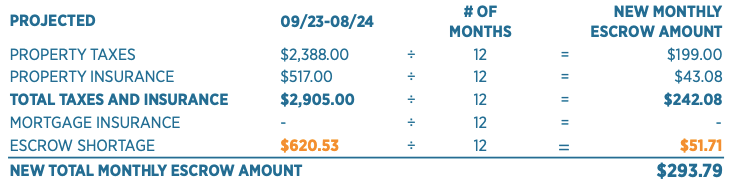
They clearly showed that the anticipated property taxes are projected at $199 per month (although, I’ll reiterate that this is based on last year’s actual outlay numbers, which aren’t accurate for the coming year). Then they show that the taxes are $43.08 per month. They then go as far to show the total of these two required outlays. There’s verbiage that explains the required minimum in the account must be twice the total taxes and insurance ($242.08 * 2 = $484.16).

There’s another detailed breakdown of each month’s escrow income and outlay (that I don’t have pictured here) that shows the month that is projected to fall below the required minimum. That month’s account balance is -$136.37. The difference between the required amount of $484.16 and the negative balance of $136.37 is $620.53 (pictured above). When that’s broken down by month, it’s $51.71. Take the total taxes and insurance payments and add the shortage amount to get the new monthly escrow amount of $293.79, a change from $222.25.

Below, they show you that there is no change in the principal and interest payment, then it shows how the current escrow payment is adjusted to the new escrow payment, along with the shortage amount.

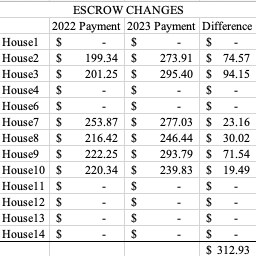
I created this table to show the differences between escrow payments over the two years. I kept the houses that don’t have an escrow because it can be compared to a future table in this post. There is no House5 in this table because we sold it several years ago (houses didn’t get renumbered because House5 still exists in terms of tax documentation).

TAX AND INSURANCE UPDATES

Each year, we see an increase in these amounts. Usually it’s across the board, but Kentucky districts had kept the housing assessments the same through the pandemic. As housing prices increase, your property assessment can be increased by your tax jurisdiction. The assessment increasing leads to an increase in taxes. This is why people getting excited that house prices in their neighborhood are selling higher than expected isn’t great if you’re not planning on selling any time soon; those increases in values means you’re paying higher in taxes.

In Richmond, VA, the property taxes are $1.20 per each $100 of the assessed value. In 2022, House2’s value $163,000. In 2023, the value was increased to $203,000. And let’s not forget that we purchased the house for $117,000. While it’s nice that the home values in the neighborhood are increasing significantly (and we knew the area was going to get better and better based on development happening), we can’t realize this gain until (and if) we sell. So in the meantime, we’re paying higher taxes on this amount. Although, I suppose the assessment could be even higher because the actual value of this house is probably more like $260,000.

Among 13 houses (don’t get confused – there’s no House5 up there because we sold it), I need to cover a total cost increase for taxes and insurances of over $4,500. This doesn’t include the higher costs of trades people if there are any maintenance calls, so this increase is the bare minimum for me to keep my same income.

RENT INCREASES

I constantly see complaints about the cost of rent, or that a landlord is increasing rent. Unless we’re looking for a tenant to move, our general philosophy is to increase rent $50 every two years. This worked fine because home assessments increased at a slow, reasonable rate until recent years. Now jurisdictions are capturing these larger increases based on those inflated sale numbers when competition was high in from 2020 through 2022.

In some cases, the rent for the area brought it in a higher amount than compared to our purchase price of a house. In those cases, we went several years without increasing the rent. Looking back, that probably wasn’t the best idea because now we’re behind on capturing how significant these last few year’s fixed costs have increased. However, the trade off to that is that we’ve kept great tenants in the house, haven’t had to pay to turnover the unit, and have minimal maintenance calls.

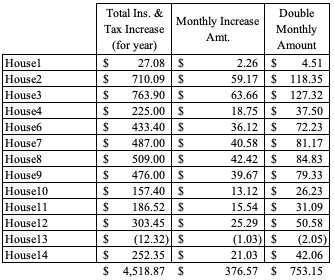
This table shows the total increase in insurance and tax payments from 2022 to 2023 in the first column. I divided that by 12 to get the monthly amount of that increase (second column). Then, since I said we typically increase our rent by $50 every two years for the same tenant, I multiplied that monthly amount by 2. I’m showing that if we want to only increase rent on long term tenants every other year, then I need to plan ahead on how much my costs are increasing.

This isn’t a perfectly accurate capturing of our cost increases since I’m not going back to 2021 to capture those changes in amounts, but it’s a general estimate. This shows that if I were to increase all houses by only $50 every two years, it’s cutting into my bottom line. Only 6 of the houses have increases less than $50 for two years.

SETTING THE RENTAL RATE

Let’s pause and talk about “bottom line.” Landlords have investment properties to make a profit. They’re looking for an income stream.

I regularly hear people say they can own a house for less than their rent, which is likely if you’re speaking only on principal and interest of a loan. However, you need to qualify for that loan. You may not have 20% down, so you may be required to pay private mortgage insurance (PMI). You may not have good credit, which means you’re probably going to pay a higher interest rate than I’m currently paying. You need to be able to cover taxes and insurance, which means you’ll have an escrow account set up, which increases your monthly mortgage payment. Then there’s all the other costs of home ownership.

That’s where people forget. When your hot water goes out, you call me. I spend $1,500 for about 2 hours worth of someone’s work to replace that. When you have a water leak, I spend $3,000 for a day’s worth of 2 plumbers’ work. When a storm drops a tree on your house, I’m the one spending hours on the phone with insurance, finding a contractor, getting quotes, and paying the contractor $3,700 before I get insurance reimbursement. Those are the big unexpected expenses. That doesn’t include all those smaller plumbing problems that cost $200 or $500 at a time.

Then in some cases, I probably put time and money into the house to even get it ready to rent to you. I didn’t always buy a house that was ready to live in. You may have projects that need to be done when you first move in also, so which costs money. Those are expenses that I’m trying to recoup through my rent rate also.

There may be other costs to my ownership that I’m trying to recoup through the rent, such as property management. I may have to pay someone else 10% of the rent, every month. I am projecting that there are going to be costs that I need to pay for also (e.g., water heater, roof replacement, plumbing issues). When I need to pay a plumber $3,000, I’m not coming to the tenant to say “I now need $3,000 to cover this cost.” Instead, I’ve set my rental rate the expect such a large payout on my part.

Not only am I trying to make sure that my rent is set at the right about to cover the costs that I’m putting into owning and maintaining the house, I’m also hoping that I’m going to make some money off owning this house so that I can live. I don’t get to pay myself for the hours I put into managing the property. Whether or not I have a property manager, there is still time that I put into managing the houses. Would you want to work for free?

BACK TO RENT INCREASES

While we manage each house individually on setting the rates (asking ourselves: do we think the tenant can absorb the increase, do we have to increase to cover actual costs now), this shows that our monthly income was increased by $475. If you look back at our total monthly increase in expenses of just taxes and insurance, it’s about $375; add in the cost increases for property management (increased rent means increased fees because fees are based on the rent price), and our fixed costs went up $415. On a whole, we’ve offset the increases.

However, you can see if we had one or two houses, some of those increases could be significant. House3 is costing us $64 more for each month, but our increases are typically about $50 at a time. We’ve had the same tenant in this house since we bought it. A $50 increase every two years hasn’t kept up with our costs. Since we have other houses, it helps cover the costs on House3.

House2 and House3 are identical in layout. House2 has been upgraded to all LVP, whereas House3 has carpet everywhere except the kitchen and bathrooms (granted, it’s new carpet two years ago). Since we purchased these two homes with tenants, rent was already set for us. House3 has been the same tenant since we bought the house, and the increases have brought us to $1200 per month in rent. House2 has been turned over 3 times: the first was a divorced lady who moved back in with her ex-husband; the second was there for several years, but we began having a lot of issues with her, and we told her the lease was up; the third was the one who flooded the house in December, and causing the need for the fourth. Now we’re renting that house at its market value of $1600. That means House3 is operating at a much lower rent than we could get if we rented to new tenants. However, the tenants are wonderful, and we’ve purposely not raised the rent on them in significant ways because we don’t want to cause them to move.

SUMMARY

Cost increases in rental properties can be significant over the years. With the rising costs of all goods and services, property values weren’t immune. The increase in property values leads to an increase in an assessment, which means an increase in taxes. That cost is relayed to the tenant, as this is a for-profit business. I’m trying to make an income for my family with rental properties.

I’m not trying to price gouge tenants, but make a fair living based on the costs of owning these houses. My first goal is to not turnover tenants, so I do what I can to make my tenants happy by taking care of the houses and not creating drastic rent increases each year. Secondly, I’m not going to set a price that my tenant can’t afford, thereby putting me in a hard position where I don’t have rent paid. Having multiple properties helps to offset the costs so I don’t have to play catch up on one or two houses worth of higher expenses, by putting my long-term tenants in an uncomfortable position where they can’t afford the rent.

Vacations & Their Cost

Here’s an unpopular opinion: you don’t need to buy all the amenities to have a good vacation.

Our financial advisor has a saying in his family, “we can’t afford ice cream.” If they wanted to, they could clearly pay for their family to have an ice cream night on vacation. However, they choose not to spend their money in such a way for the sake of the big picture.

The point I’m trying to make here is that you need to stop and think about an expense. I can’t remember what the item was, but when I went to pay for it, it was $8. It’s not that I couldn’t afford to purchase something at $8. It was simply that this item was worth $2 to me. The value of it was not $6 more of my money.

This post (or rant) started because of this Facebook post that was made in a local mom’s group. Apologies for the large image, but you couldn’t read the numbers until I got it this big.

Quite a few people echoed my point – stop with the add-ons. You can have a great day without the additional amenities/activities, and without the all day dining options. We had a season pass to the Cincinnati Zoo. We ate before we entered, packed snacks, and then ate on the way home if needed – at McDonald’s, with deals (we lived over an hour away from the zoo, so sometimes we couldn’t plan it to have only one meal while out). At a similar place to Kings Island, I know people who have packed coolers and left them in the car because you’re allowed to exit and re-enter.

Not buying extras holds true for any event. Your kid doesn’t need a $20 light up wand, that will be promptly forgotten about at the 48 hour mark, at Disney on Ice. The show itself was exciting and a “treat,” so let it stand alone. Your kid doesn’t need a $15 ice cream at the theme park. Simply let them enjoy the experience without developing a sense of entitlement or expectation that they’re going to get a “treat” every time you’re out.

I completely understand the mentality of “go big” for vacations because it’s a special time. But what is that worth? I know some people spend all year saving up to go to Disney, and they want the “full” experience. Disney itself is very expensive, but then you start spending on gift shop paraphernalia and food in the park, you’ve now spent a small fortune for hours of entertainment.

DISCIPLINE

Instead of only being disciplined for those few days per year, focus on the question: what is each individual dollar worth? I have an entire post where I share the thought process and conundrum I faced for purchasing a $4 weighted tape dispenser. Seriously. While you’ve “saved” for this vacation, what if that saving mentality helped you be able to pay your regular bills along the way? Or what if instead of spending extra money on vacation, that money went towards paying for school supplies? It’s all about creating the mentality and discipline to ask yourself what the value of something is, both to you and to the economy – if you’d pay $2 for a water bottle outside a stadium, is it worth paying $6 inside the stadium? Or could you plan ahead and bring your own water?

This irritation isn’t only for vacations. A friend of mine would leave their house to go to a nearby gas station to buy gatorade and soda bottles. You were at home! If going to the gas station is a regular occurrence, and you enjoy drinking soda out of a bottle, why don’t you get a multi-pack and keep it in your refrigerator? Then there’s the person I used to live across the street from who would order door dash regularly. It probably averaged to once per day; some days there was two deliveries, and some times she may skip a day. Then she posted a GoFundMe for help to pay for her tuition and books to finish her RN. She also posted all the amazing toys (excessive and expensive) she got her kids for Christmas, while also complaining about her son’s behavior being out of control, and that her daughter was being so bad that she got tv in her room taken away – wait, why does a THREE YEAR OLD have a tv in her room? So tell me again how you can’t make ends meet, and how you need help finishing your degree, while you have zero discipline on spending the money you do have. Why is it everyone else’s problem to fix for you when you’re putting no effort yourself? I’ve digressed.

OUR RECENT TRIP

We just went on a trip to Jellystone. My son had asked to go back to a cave since we left a cave last year. He’s obsessed with space and Earth. He was 4 at the time of this trip. For 2 adult tickets, all 5 of us were able to take a 2-hour tour at Mammoth Cave (children 5 and under are free). That was $40 worth of entertainment. I figured it was a good time to take advantage of their pricing structure before it would become $60 next time we’d try to go. While I felt the $40 was worth our time and money, I mildly regret it. His excitement for the caves was worth it, but we missed out on activities at Jellystone that I think they would have enjoyed. At 4 years old, we could have easily skirted the cave desire because he doesn’t know that a cave is 20 minutes away when we’re at this location.

We paid $433 for a 4 bedroom cabin for two nights, and that included a $50 charge for bringing a pet. We packed all our food for all the meals. My choice to allow the kids to stay up way past bedtime and for the two older ones to share a room cost us on day 2; I promised them ice cream if they powered through the cave, so that was $14 for all of us to have ice cream, which wouldn’t typically be an expense we incur. Other than the cost of gas to go 260 miles roundtrip, we spent nothing else.

There were opportunities to pay for things. We could have rented a golf cart for $70 per day. We could have paid for the mining sluice, which didn’t have a price advertised, and would have been 3 minutes of entertainment. We actually did try to do their obstacle course, but none of our kids were tall enough. Instead, we took advantage of their amenities. We drove pedal cars, played at their numerous playgrounds, went swimming, went to their beach to play in the sand and swim, ran around the splash pad, did their craft times, attended their character greetings, played bingo, played minigolf. We probably just sat at the cabin for a total of 3 hours between 3 pm check in on day 1 and 11 am check out on day 3; we even let the kids stay up until 8:30/9 (their usual bed time is 6:30).

UPCHARGES

So let’s look into amenities at GWL. I’m going to look at Mason, OH’s location. First, because it’s the one closest to me, so I’m familiar with it, but also because whenever there’s a Groupon for $99 nights, Mason is always $149. That tells me that Mason’s probably on the middle-to-higher end of amenities and their cost.

For a weekend in October, my room options range from $410 to $1035 per night. They provide a rate calendar option for you to see the rates on other nights because you may feel that $1035 for a night in a water park and hotel is absurd (I hope you do….). I also encourage booking with a code (there’s a Facebook group that shares active codes for deals), using a Groupon, or planning in advance and being flexible on dates.

You select a room option (I picked $410), and then it offers you a late checkout option. Check out is 11 am. For $50, you can stay in the room until 2 pm. What are you going to do with your room between 11 am and 2 pm? When this option is presented to you on the screen, what are you thinking? Are you thinking it must be a necessity because it’s being offered? Are you thinking that it’s needed because you don’t want to “leave” at 11 am? Or are you really thinking about the cost/benefit ratio of this charge? Are you expecting to be done with the water park for the day at 1:30, so you’ll go shower and change before the 2 pm check out? If I’m spending the day at the resort, I don’t see where I need the room between 11 and 2. I have one exception, which is very specific right now. If I hadn’t just paid $400 for a night there, I may consider the upgrade because we still have a napping kid from 11-1, so that could be helpful, but that’s not worth the additional $50 to me, personally.

GWL does a good job at pushing their pass options. There are 3 levels, ranging from $50-70. The options include a variety of: MagiQuest, Build-A-Bear, Mining Sluice, mini golf, bowling, GWL goggles, $5 to the arcade, candy, and an ice cream. Purchased individually, the price for the pass is a better deal by a few dollars than if you purchased these individually. However, do you have the time to do ALL of these activities and enjoy the water park? If you’re staying one or two nights, you likely don’t have the time to get the most out of everything. Don’t forget that they offer several ‘free’ activities (e.g., yoga, character greetings, bed time story, crafts, etc.) each day as well, not to mention that you’ve just spend $400 on the stay to play in the water park.

Don’t forget that on top of the room rate, there are taxes and a resort fee. If I wanted to stay for two nights with 2 adults and 3 kids (even though one is less than a year old), with no extra purchases, my total is $1,023.70. That’s $820 for the room, $124 for taxes, and $80 for resort fee.

These options that are presented don’t even include all the options you can pay for. For instance, you can rent a cabana. You have to call to book it, but I’ve seen it priced at $200 and at $500 for it. It’s not private. It’s not secluded. It’s not secure for your belongings. Make sure you ask yourself what you’re getting for that cost and if that money could be put to better use.


As a kid, we used to go to Lake George. We joked that it was our vacation from our vacation. The point of Lake George was to do nothing. You played in the pool at the hotel, walked the town, and got ice cream each night. It was relaxing. I remember lots of our trips, but Lake George sticks out as a favorite. Even our trips that were busy – it was busy because we were sightseeing and driving far; it wasn’t busy because we were paying for activities and trinkets.

We went to Disney on Ice, and my son still thanks me for the experience; he didn’t get any trinkets while we were there, and he still loved the experience. Your kids will remember the time they spent with you. That’s the point of the vacation – spending uninterrupted time with your family, not making it an exhausting, jam packed few days where kids are overstimulated and sleep deprived.

This isn’t a parenting advice post. It’s simply a moment to stop and think about your spending. Take the time to determine whether a dollar spent on an activity is worth that dollar’s cost in your day’s/week’s/month’s/year’s goals. The tape dispenser. Truthfully, I didn’t know it only cost $4. Regardless, I still took the time to consider whether buying this thing that I need for 1-2 days per year was really worth spending our money on, or could that money be put to better use.

In 2021, we purposefully took trips each month. We had looked into buying a vacation home, and we decided that we’d rather go to different places each trip than the same place over and over. The mortgage was going to be about $1200, so we allocated that much as our trip budgets. In May, we spend $618; June was $200; July was $690; August was $1069. I say this for perspective.

Take the time to analyze the spending that you’re doing, independent of the deals being offered. Will that one trip be worth the cost of it? Will the money spent for that trip be worth anything that you may have to give up to make that trip happen?

Financial Freedom

Our church had a series about “taking significant steps toward financial freedom.” In their terms, financial freedom doesn’t mean FIRE (Financial Independence, Retire Early), which is usually what we’re referring to here. They mean that they want people to be free of financial burdens and not “bound up” by finances. Mr. ODA and I have been in control of our finances for a long time now, so this isn’t teaching us much about what to do differently. However, I’ve enjoyed learning their perspective and have several take aways to share.

Many have heard of Dave Ramsey when it comes to christian-based financial teachings. Dave tells you to pay off all your debt and pay cash for everything. We disagree with that approach. Debt is not bad when it’s used responsibly and you’re being a good steward with your finances, and that’s what our church’s lesson is too.

People seem to think it’s ‘cool’ to talk about how ‘broke’ you are. And yet, it’s taboo to mention if you’re in a good position with your money. What if we made it so that you’re taught that when you find someone in a better financial position than you, you ask questions and learn what decisions got them to that position?

The lesson is how to manage your mentality with money. It’s not about restricting your spending or making you feel guilty for buying your coffee, but it is about how you make informed decisions day-to-day that grow you towards a position where money isn’t controlling every aspect and decision of your life in a stressful manner. If you take control of your money, instead of your money controlling you, you’ll work towards eliminating that stress.

THE WHY

The workbook starts by asking you to determine your net worth. Money-in minus money-out is your cash flow, while assets minus liabilities are your net worth. The goal here is the gauge the current status of your money and where you should probably plan to be. There’s also an exercise where you determine your motivation. Are you motivated by freedom from financial burden, having a feeling of security, having power, or through love and giving? When you determine your “why” behind making money, you know what direction to go.

Making more money isn’t always the right answer. To make more money, you may need to take on a second job or more hours at your current job. Is putting that time in worth the extra money that you’ll bring in? Will putting those extra hours in make you more happy? If not, perhaps decreasing expenses is that way to go to make ends meet. If you don’t have the ability to take time for yourself or do things that bring you joy or have “down time,” then it’s not worth taking more time from your week.

I quit working in May 2019. Since then, I’ve done odd jobs just out of excitement, not financial need. I learned different industries and only had to commit part time. I was recently feeling the pull to find another part time job. There’s a consignment sale that comes into town twice per year, and they were hiring. They said they pay $8 per hour with at least a 4 hour per shift commitment. The consignment sale is being held 30 minutes from my house. That means that a 4 hour shift requires me being out of the house for 5 hours. The gas to get there and back would cost me about $7 per day. That means I’m out of the house for 5 hours (away from nursing my baby and being with my kids) for $25 before taxes. That cost/benefit ratio was not worth it to me.

THE PLAN

My favorite analogy given was to a plumber. A plumber doesn’t just start laying pipes in walls and hope it works out. He will have a plan of how to get water from the source to the faucet. Without that plan, how would you know that the water will get to where you want it to go? Same with money. If you don’t have a plan for your money, how will you know that it’s going to the right places with minimal effort? Without a plan, that’s where the stress comes in.

If you’re worried that you’ll be able to pay your electricity bill, then money is controlling your life. Sit down and make the plan. Allocate funding to the necessities first. It’s ok to eat at a restaurant or buy a coffee, but is putting your money towards those expenses creating financial freedom or causing more stress?

Mr. ODA and I have a money-spending mentality, rather than a budget. In my opinion, when you create a budget, you’re either looking to spend everything you’ve set aside in that ‘envelope,’ you’re willing to move money around without discipline, or you think of left over money in that ‘envelope’ as a bonus and you spend frivolously. If you put $500 for the month’s groceries in an envelope, but you only spend $450, what are you doing with that $50? I’ve seen it happen plenty of times that someone splurges. Instead, Mr. ODA and I weigh every single purchase. Literally every purchase, I swear. I told the story about my weighted tape dispenser.

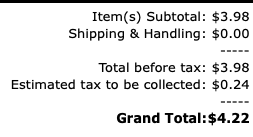
Every single year, I sit on the floor and wrap Christmas gifts. I don’t seem to notice during the year when I’m doing birthday gift wrapping (or perhaps I’m quick to grab a bag instead of wrapping paper for those instances), but at Christmas it’s apparent. I need a weighted tape dispenser. Having to find the tape on the floor in a mess, then having to use two hands to get a piece of tape off the little plastic dispenser, is just so much stress. It was YEARS of thinking “I need a weighted tape dispenser. Nah, I don’t need it for just this one week every year.” I finally bought one. It was $4.22. I agonized over this purchase because I didn’t feel it was truly a necessity and it turned out to be less than $5.

Grab your bank account statements and credit card statements. How much money did you spend? In what categories did you spend that money? Was it for necessities or was it spending that creates a strain on your ability to pay the necessities?

This is an exercise worth doing if you feel you’re drowning. I see posts daily in my mom groups that people say they make “good money,” but they can’t seem to pay the bills. I want to intervene. “Did you stop at the gas station on the way home from work to get a gatorade?” You could buy a 16 pack of gatorade, put it in your refrigerator, and have it waiting for you when you get home, which is probably about the same amount of time for not stopping at the gas station to make that inflated purchase.

So many people don’t seem to realize how fast those daily, small expenses add up. Ask yourself if there’s a better way to get such gratification, but in a way that furthers your dollar earned. Create the habit of weighing each purchase, determining if it brings you joy, and then either walking away or purchasing it. Know that if you purchase it, that will have ripple effects. So if you’re worried about paying that electric bill, then that instant joy gratification wasn’t a step towards financial freedom, where money isn’t controlling you.

Our Money Management

I manage all our income and expenses (at a high level, like credit card payments, not individual line items). I have a spreadsheet that I set up in 2012 and have used religiously since then. I’ve shared how I set it up in the past, but we’ve entered a new phase that makes my spreadsheet even more important to me.

BACKGROUND

FIRE. Financial Independence, Retire Early. This isn’t a post about FIRE specifically, although it’s the movement that sparked Mr. ODA to go down our financial path.

The purpose of our rental portfolio was always for both Mr. ODA and I to quit working. We had covered my income before any kids were born, but I kept working because there was no reason to not be working. Once our son was born, I took 14 weeks maternity leave (not a separate bucket for Federal employees back in 2018; it came out of my own accumulated sick leave), then I worked about every other day for 8 months while Mr. ODA and I swapped child care roles, and I burned down my leave.

While we don’t plan to work full time, we do plan on keeping part time positions. We’ll work on things that bring us joy, rather than an office job with office politics. Since I stopped working, I’ve done odd jobs, part time. For example, I worked as a census taker and served beer at a local race track over the last 4 years. These were all seasonal, part time positions, with no long term commitment.

Now that I quit working, it’s Mr. ODA’s turn. We hardly skipped a beat when we left my six-figure salary behind (although a pandemic probably helped curtail spending on our behalf!). However, the thought of losing his salary as a safety net and losing insurance are two items that have caused some pause.

THE SPREADSHEET

For you to understand my panic that I’ll get into here, I thought a quick reminder was necessary. This is how I manage our money. It’s nothing fancy, but it works. I don’t miss payments. I can allocate expenses to a specific 2-week period against what income is brought in at that time.

There are two parts to the spreadsheet. Well, there are about 10 tabs, but this first tab, with two sections, is what’s pertinent.

Part 1 is this section. This image is a very scaled down version of the section. We have 13 houses, 6 mortgages that get paid, 6 credit cards that get paid regularly, and a few other lines that I removed.

All numbers are made up place holders, except the investments. I deleted my IRA contribution line because it’s wonky (but I will max out IRA contributions), but I wanted to show how much we’re investing regularly. There’s $75, per kid, per month, going into their investment accounts. Then there’s general investing happening with one $1000 transaction and two $800 transactions per month. Mr. ODA is investing into his IRA to max it out ($6500/12=$541 per month..sort of).

You can see that I’ve listed Mr. ODA’s pay dates at the top, and then his salary income on the next line. The gray section accounts for all rental income. I’ve allocated the income into the salary two-week period that makes the most sense (about half pay me on the 1st or 2nd, and the rest pay on the 5th). The green section shows routine rental property expenses. The entire next section are our personal expenses. The blue is left over from when I was managing two personal homes last summer (but kept it to differentiate our house bills versus other bills). The next gray section (which I’m only just realizing is a second gray and should be a different color as to not conflate the two grays.. what a rookie mistake) accounts for expense that come out of Mr. ODA’s bank account. Finally, I have an “other” section. This is where I capture large expenses that don’t need their own line item because they only happen once or twice a year. Here I’ve put tax payouts that will be due in October (that’s 4 houses worth, and it’s last year’s numbers – because I want to know how this year’s amount owed, when it comes in, changed from last year’s to discern if it’s reasonable or if I need to dig into it).

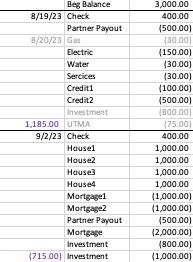
This is part 2. Now, part 1 accounts for the general timing of income and expenses, but it doesn’t perfectly capture the due dates, scheduled payments, or whether I’ve paid it and it’s hit the account.

The top line is linked to the section that I update our checking and savings account balances. Then I transfer all the items per pay period into this list format. In this example, let’s say I’ve already scheduled the gas payment. So I mark it as gray and put the date in the left column. Similarly, our investments are automatic, so I mark them in gray as we get to that two-week period.

At each border lined, I put the total for that section. You can see that at the end of the 9/2/23 pay period, I project a negative balance. Truly, we seem to have more income than I project (rewards cashed out, someone paying partial rent a little early, etc.), so I don’t take any action until I need to. There are Federal regulations regarding savings accounts; so we can only make 6 withdrawals from the savings account before fees apply. I manage these projects to know whether I need to make a withdrawal. If I need to, then I project what other expenses I may have and transfer a little more than I deem necessary.

THE PLAN

So our first step to him leaving is to pretend we don’t have his salary. Mr. ODA set up a new bank account. The majority of his paycheck goes into that account. We still have $250 going into another account, and about $400 going into a third account because we need to meet the requirements of direct deposits to prevent any account maintenance fees.

Our general principals in account management was always to take money into our main checking account, pay out bills for that two week period, and put the balance into savings. However, that wasn’t creating any forced feeling of managing without Mr. ODA’s salary. I’m more of a visual learner, so I appreciated this concept of having the money automatically transferred to a completely separate account.

EXECUTION OF THE PLAN

The first month of this plan had me on edge. The accounting in the checking account meant I was constantly back down to a balance of about $500. When I worked in an office, I was at the computer everyday checking our money. Now that I’m responsible for 3 tiny humans, I’m rarely on the computer. I project out our routine expenses, but there have been plenty of times where a $100 or $500 charge goes through that I didn’t have listed in my expense column for that period. Therefore, I like to keep at least $1000 as a buffer in the checking account to cover those little expense that can add up. So keeping the projection to less than $500 in the checking account panicked me.

Now wait. It’s not that we only had $500. We have a savings account linked to that checking account. We have this online account that’s taking Mr. ODA’s salary and just building the balance because we don’t use that account for anything. We have Mr. ODA’s old personal checking account. And last but not least (as my adorable 3 year old says all day long), we have plenty of investments that can be liquidated within 24 hours. We have the money. It’s just the panic of having the money in the spot where the bills are being paid.

SUMMARY

I’m sure there are easier ways or “better” ways to account for this. I don’t like automatic payments for bills because I like scheduling them against our cash flow. I’ve used this exact set up since 2012, and it hasn’t failed me. Taking full responsibility to pay bills means I am very scared to miss a payment and cause a negative hit on either of our credit reports.

Now that we’ve eliminated about $5,000 per month of income, without changing our spending in any way, I’m interested to see how things go. We have a great spending mentality – we’re not spending on frivolous items and we weigh the cost benefit of a purchase to us. That’s not to say we can’t do better. I’m sure we can be more diligent about our grocery spending or at least cooking what we already have in the house (we don’t spend much at restaurants in a month). I’ve already started tracking our expenses month to be sure we can watch our trends and re-evaluate our spending if needed.

Now that we have this account growing with no need for it to pay the bills, we will use it for fun things. We’re not very good about doing fun things. Two summers ago, we wanted to buy a vacation home at a nearby lake. We decided that instead of spending $1200 per month on a mortgage to go to the same place all the time, we’d plan vacations each month and spend up to $1200 without “guilt.” It was great. We had so much fun. But it lasted 3 months. Having a newborn put a damper on activities, but we’re ready to do the same again.

Credit Card Rewards

I’ve not been quiet about the benefits of a credit card. We put every dollar we spend onto a credit card for the rewards, and we pay it off every month. Some cards give 1% back on purchases, some give another 1% back for payments (important to cash out your rewards to your checking account, and not as a statement credit because they don’t give 1% back for the credit), some have bonus categories where they increase the percentage back (e.g., 5% back for gas purchases), and some have retailer-specific incentives.

PERCENTAGE BACK

There are the flat rates given by some credit cards, and then there’s some bonus categories that provide an additional percent back.

In some cases, the percentages are fixed categories. You’ll get 1% back on all purchases, but then there are bonus categories. Their categories are 2% cash back on grocery store purchases, 3% on dining purchases at restaurants, and 4% on gas station purchases. However, this particular credit card caps the earnings at the first $8,000 in combined purchases in these categories annually, per your opening date. If you spend $300 per month on groceries and $200 per month on gas, that leaves about $165 per month on restaurant purchases. Those numbers are doable, but we spend more than $300 on groceries.

Then there are other credit cards with a revolving cash back category. This requires you to ‘active’ the reward and keep track of which reward is occurring in which quarter. However, these have lower spending limits before you run out of that extra bonus. “Earn 5% cash back on up to $1,500 on combined purchases in bonus categories each quarter you activate.” The bonus will default back to 1%, so it’s not a complete waste, but you may have a credit card that has a better-than-1% bonus for that category. We have a credit card that operates like this, and the only category that I seem to remember well enough to actual use is the gas one.

RETAILER BONUSES

While I’ve shared a lot on cash back type bonuses, I haven’t really touched on retailer-specific bonuses. Someone on Facebook recently shared a screenshot of their bank’s bonus. It’s an ability to earn 10% cash back when purchasing a Great Wolf Lodge stay.

It’s important to pay attention to the fine print on these types of offers. There’s usually a low cap on what you can earn, and there’s usually a fairly quick deadline associated with it. It also requires you to active the offer. That means that you can’t make the purchase and then go back to active it; you need to know about these opportunities in advance, active the code (usually by clicking something within your credit card portal), and then make the purchase. In some cases, it may even require you to use the link embedded in your portal to make the purchase.

Opportunities change frequently, but there are some that rotate fairly often. I currently have 25 offers available to me to activate. Some of them expire as early as 8/13, while some are good until October. Mr. ODA clicked a Kroger fuel offer. It states, “Earn 5% cash back on your Kroger Fuel purchase, with a $3.50 cash back maximum.” That means that if I spend more than $70 at the pump, then it will revert back to the 4% gas category. Here are the categories on this credit card.

SUMMARY

When looking for a new credit card to open, I always suggest looking for extra bonuses. Typically, we open a new credit card because we’re about to have a large spending need, so we’re looking for an introductory rate of 0%. There are other initial bonuses, such as spending $1000 in the first 3 months for a $300 bonus. We’re also typically looking for a $0 annual fee. I say typically because we have had credit cards with annual fees if we thought the incentives were worth the cost. In some cases, a credit card company may provide incentives that effectively reduce their annual fee (e.g., travel statement credit, paying for TSA pre-check).

When using a credit card with categories of cash back at a retailer, it’s a good practice to check back on how you earned cash back. For example, we have a credit card that provides bonuses for gas stations. However, their coding specifically only allows for purchases at the pump, and not purchases in the convenience store associated with those pumps. This was particularly frustrating because the “everyday spending” category only earned a quarter of a percentage, not even a whole percentage back.

We manage our purchases through 8 credit cards. That’s a lot to keep up with, and we’re not 100% on picking the “correct” card for the category that we’re spending (particularly when it comes to the card that rotates bonus categories each quarter).

In 2022, we earned over $2,000 worth of cash back based on our purchases, being diligent with the spending categories, and paying our credit cards off each month.

February Financial Update

Well, Mr. ODA didn’t like that I shared I didn’t know where our money was last month. They’re all kinds of Treasury accounts, and I’n just logging the transactions and leaving him to it. 🙂 I don’t have a lot of bandwidth these days, but I’m learning to juggle 3 kids and our finances.

PERSONAL FINANCES

We bought a new van this month. We’ve been wanting a new one for a while now. We bought our 2017 Pacifica in September 2020. It was a great deal, and it was a necessity as we were about to spend 7 weeks “homeless” and AirBnB/couch hoping. The car had some defects. We decided we’d keep an eye out for a newer version. Suddenly, Mr. ODA found a good deal on a 2020 Pacifica that had more options than we were actually looking for. We drove to Ohio about 36 hours later. They made us a good deal for our trade-in, and we went home with a new van! We put some of the purchase on two credit cards and then the balance with a personal check.

We’re currently paying close attention to credit card deadlines and our savings account. Where I used to pay a credit card bill almost after the statement closed so that it wasn’t hanging out there and I wouldn’t accidentally miss a deadline, I’m now leaving money in our savings account as long as possible. Our savings account is now earning 4% on the balance, so we’re seeing a significant amount of interest each month. I’m juggling managing our bills as close to their due date as possible, while also projecting future bills necessary since there’s a limit of 6 transfers out of the savings account per month.

All that was to point out that our credit card balances are high right now because of the van purchase, but the credit card statement hasn’t closed yet. Instead of paying the credit card balances down right now, the money is sitting in savings earning interest for 4-6 weeks between the purchase, to the statement closing, to the statement’s due date. More directly, we put $3,000 on one credit card for the van purchase. That was on 2/7. That statement, once it closes, will not have a due date until 4/20. That means that the money put on the credit card can sit in savings earning interest for about 70 days.

We also had to pay the initial payment for the restoration services on the rental that had a burst pipe. So while the insurance company sent us a check to cover the cost of this work, it’s still $17k sitting on our credit card, not being paid until the last minute. I should also note that our cash balance is inflated by about $50k because it’s the money from the insurance company that we’re waiting to pay the contractor as milestones are completed.

Had I seemed nonchalant about the plan? Because I’m definitely not. 🙂 I need to stay on top of how many transfers happen per month out of the savings account (while Mr. ODA randomly pulls money for investments), and not miss any deadlines and cost us interest charges or late payment marks on our credit. It’s stressful! Since we’re not doing anything that requires our credit to be pulled right now, it’s fine. If we were having our credit checked, having multiple cards nearly maxed out would be a problem. But we know we have the cash available to pay off all the credit cards if we needed to.

RENTAL FINANCES

I finally got through to someone on the issue with the improperly installed water heater. He says he submitted all the paperwork to send us a check for $200 to cover the plumber we paid to fix their issue. I haven’t seen any paperwork, nor have I received the check, but I’ll keep it on my radar and follow up in a couple of weeks.

I made all the decisions on the restoration of our flooded house. We’re expecting to hear a timeline for work to start next week, and then it’ll take about 40 working days to get the work done.

I paid a warranty for termites on another house. We had an infestation when we purchased the house, but we didn’t pay the warranty information. Our tenants found swarmers, and when we called to ask about treatment, they said they’d let us backpay the warranty and invoke that. We have a good relationship with this company and appreciated that offer, so we’re staying on top of the warranty payments now. The payment is $98 per year.

We received a surprise in the mail – the tenant had turned off the electric in the flooded house back on January 12th. The power company is supposed to notify me. I received an email on February 6th notifying me of an action on the account. So this was in my name from 1/12 to 2/1 for me to be billed $255 without my knowledge. Not to mention, there’s a bill hanging out there from 2/2 until the present that I’ll also get billed for. Mr. ODA sent our property management excerpts from the lease indicating that the utilities must be in their name for the entirety of the lease, that they’re responsible for this bill, and that they must get it back in their name immediately. We’ll see how that plays out.

RENTAL WORK

I picked up the keys from our property manager for the 3 houses I took over managing. I also worked on a rental here in town this week, which took about an hour including travel time, and I have another to work on later this week, which will be about 2 hours worth of work.

I sent a prospective tenant the pre-application we have, which he passed, so I sent him the application to submit. If all goes well, we’ll have that house re-rented with no vacancy period.

We have 3 leases that end at the end of April. We put a requirement that tenants give us 60 days notice, or that we give 60 days notice of any changes. That means that these leases need acknowledgement by the end of this month. So I ran the analysis on those 3 houses. We decided to increase the rent on 2 of them by $50 per month, each, and we’ll keep another house the same since it was increased last year. One house actually had an increase last year, but that house is well below market value, so we’re offering them to continue the lease with an increase because if they were to move out, we could get even more from the house based on it’s size and demographics. The 2 houses we’re increasing have a property manager, so she’s responsible for notification and signing an addendum before the end of the month. But once again, I need to manage the property manager and ensure we have action on time.

NET WORTH

Making an Offer

While the housing market has cooled some since I started this post in the Spring, there are still some areas that are moving quickly and aggressively, and this information is still helpful regardless of you being in a multiple offer scenario. Over the course of 6 years and 18 properties purchased (and countless offers made), we’ve caught on to some helpful parts of contracts. Again, keep in mind that I’ve seen real estate contracts in New York, Virginia, and Kentucky; this is not all encompassing or what may work perfectly in your market. This also doesn’t include all parts of a contract since most of them are standard and/or can’t be anything but matter-of-fact (e.g., will the property be owner occupied; is the property subject to a homeowner’s association).

BASICS

Your contract is going to encompass the basics of the purchase each time. This would be the buyer and seller names, address of the property, offer price, and closing date.

Typically, the buyer’s agent draws up the contract with the information being offered. If the offer is accepted by the seller, the seller signs the contract. If there are negotiations, the buyer’s agent will adjust, have the buyer re-sign, and then submit to the seller for signature. When the buyer makes the offer (which is just filling out the contract and sending it to the seller), the buyer will typically include an expiration date of the offer. This isn’t always enacted, but it’s there as a protection so the buyer isn’t sitting idle for extended periods of time waiting for a seller to make a decision. For example, we had an expiration clause in a contract recently where our offer expired at 8 pm that night, but we knew they weren’t going to review offers until the end of the weekend; we had put it in there as a way to hopefully push the seller to make a decision with just our offer instead of waiting for more offers to roll in. We ended up getting the contract on the house, even though our expiration date had technically expired.

In Virginia, the closing date language says “on or before X date, or a reasonable time thereafter.” In Kentucky, it says “on or before X date,” and if you can’t close by that date, you and the buyer have to process an addendum to the contract with a new closing date. We had a contract, as the seller in Virginia, close 2 months after the date in the contract. We were furious about that. We could have walked away and kept the buyer’s earnest money deposit, but then we’d have to formally list (it was an off market deal) and manage that process along with the home inspection issues that may arise. We also had a contract in Kentucky where our lender messed up and delayed our closing, so we had to sign an addendum to the contract to allow us to close a week late.

EARNEST MONEY DEPOSIT (EMD)

Earnest money, or good faith deposit, is a sum of money you put down to demonstrate your seriousness about buying a home. In most cases, earnest money acts as a deposit on the property you’re looking to buy. You deliver the amount when signing the purchase agreement or the sales contract, and it’s applied to your balance owed at closing.

This is not a requirement, but it’s showing your “good faith” to purchase the property because there’s a penalty to you if you try to walk away from the purchase.

In most cases, you pay the EMD to your realtor’s office and they hold it until closing. In Kentucky, they’re on it right away, asking you to send the check as soon as the contract is signed. In Virginia, I didn’t always send the EMD. The amount is listed in the contract, so if I were to default on the contract as a buyer, I would still owe that amount even though I hadn’t paid it to my realtor’s office.

Typically, you’re looking to put 1% down. On a $90k purchase, we gave an EMD of $900. On a purchase of $438k, we gave an EMD of $5,000 (but there were other factors at play as to why we went higher than 1% on that, which I’ll cover later).

CONTINGENCIES

Some items we’ve seen in our contracts are options for the buyer to back out of the contract, or a contingency.

Financing

A sale can be subject to financing. If it’s not an all-cash offer, and there will be a loan secured to purchase the property, data can be entered to protect the buyer’s interests. Typically, it’s going to list the years of the loan to be secured (e.g., 30 year conventional), a downpayment amount, and a maximum interest rate. The interest rates hadn’t been fluctuating much, but this would play into things in the past few months. If you tried to purchase a home when the prevailing interest rate was about 4%, and then interest rates rose to 5.5%, it may affect your ability to qualify for the loan or put you outside a comfort zone for your monthly payment amount. For example, on a $250,000 loan at 4%, your monthly payment is about $1200 per month (principal and interest); if the rate raises to 5.5%, your monthly payment becomes $1420 per month.

This information does not lock you into that break down. If the contract says 80%, and you decide to put 25% down based on the rate sheet, the contract isn’t changed nor is it voided.

Appraisal

If the sale is subject to financing, then it has to be subject to the appraisal. This is a lender requirement to protect their interests. There are some caveats to this, but I will cover them later since they’re more advanced. An appraisal will cost the buyer in the realm of $450-600.

If you’re attempting to qualify based on rental property income, the lender may require you to pay for a rental appraisal as well. We’ve seen this cost at an additional $150, but we’ve typically been able to negotiate our way out of that by providing leases and income history.

Home Inspection

This is one that I almost always recommend including in your offer. This is your “out” in almost every situation. If you get a home inspection, and it finds anything, you can walk away from the contract and not lose your EMD. If a house is important enough to you (a personal residence that you want regardless of what you find on an inspection report), you may eliminate this contingency, but you’ll typically include it. You can even include that you’ll do a home inspection and decide to not do it.

If the house is being sold as-is, it doesn’t mean you can’t get a home inspection. You can still get the inspection to know whether you want to move forward with the purchase. Being sold as-is just tells the buyer that the seller is not willing to negotiate price or fixing items if the home inspection finds something.

The buyer is responsible for the cost of the home inspection. We’ve paid between $300 and $650 for it. The inspector will take about 2 hours to look through the house, including the roof and mechanical parts behind the scenes. Sometimes the inspector will say “this doesn’t look right, but you need to consult a professional in that trade,” which is usually what happens when it comes to roofing. We have done a home inspection, found too many issues to manage (e.g., stairs built out of code) and walked away from the contract. In that scenario, we don’t lose our EMD, but we did pay about $500 for “nothing” (unless you count all the savings of not throwing money into the house to make it safe and livable).

If you find items on the home inspection that you don’t or can’t fix yourself, and the house isn’t being sold as-is, you can request the seller address them. An addendum to the contract will be filed to identify what the seller agrees to fix, and professional receipts have to be supplied before closing to satisfy the requirement. A seller may say they don’t want to be bothered with coordinating the trades to fix the items and offer financial compensation (e.g., we project the cost of these fixes to be $1000, so we’ll take $1000 off the purchase price).

In the realm of “the contract can say almost anything you want,” here’s an example of an additional term that was in one of our contracts. On this particular house, we should have walked away. The closing process was a nightmare because the seller hadn’t paid the electric bill, so we should have known that them wanting a free pass on inspection items was a red flag.

Virginia has a clause to protect the seller’s ability to walk away from the contract in the event of drastic home inspection repair costs.

Wood Destroying Insects (WDI)

A WDI is basically your termite inspection (may include carpenter bees, ants, etc.). We learned with our very first home purchase that this inspection is pretty useless. You can teach yourself what outward signs to look for regarding termite damage. It’s a visual inspection of what the technician can see. But the damage caused by WDIs is behind the drywall. If there’s signs of WDIs outside the studs of the walls, you’ll see it, and that means you have a big problem. Pay the $35 for a professional to say there are signs of active termites.

Another way we found that the WDI is useless is that we had a major termite problem in our house. We were paying for treatment when we sold the house. The treatments weren’t working and the next step was pulling up all the flooring in the basement and treating under the foundation ($$$). The termite company wrote their report: There is an active infestation of termites that are actively being treated. Technically, true. Productively, not the whole picture.

‘ADVANCED’ CONTRACT OPTIONS

I don’t know that these are necessarily advanced, but they’re less common options when making an offer. Some of them come in handy at opportune times, so it’s helpful to know the options at your disposal.

Seller Subsidy

The seller subsidy is the seller’s contribution to closing costs. It reduces the seller’s bottom line based on the offer amount, and it reduces the amount of money the buyer needs to bring to the settlement table. If a contract offer is $102,000 purchase price with $2,000 seller subsidy, then the seller’s bottom line is $100,000.

There is a limit of how much seller subsidy can be in a contract, which is based on the lender’s requirements and is typically 2% of the purchase price. We have had to adjust the contract to account for this limit before we were aware of it; we kept the seller’s bottom line the same, but adjusted the numbers so that we could maximize the seller subsidy.

In Virginia contracts, there’s a boiler plate section identifying the possibility of seller subsidy. In Kentucky, it has to be written into the additional terms section.

Escalation Clause

If you’re in a multiple offer scenario, it may be helpful to offer with an escalation clause. This is an option that a prospective buyer may include to raise their offer on a home should the seller receive a higher competing offer. The buyer will include a cap for how high the offer may go. It’s essentially a way for the buyer to compete with other offers, but not necessarily pay top dollar for the house.

Most recently, our offer was $420,000 and we were told there were at least 4 other offers. We added an escalation clause to our offer. We decided to make it a strange number (e.g., increase by $1770 at a time), and we capped it around $450,000. We were basically saying that we were willing to pay up to $450,000 for the house, but we didn’t have to commit to that number by making our offer at $450,000. The highest offer outside of our offer was about $436k, so our escalation of $1770 over highest offer got us the house for about $438k.

Appraisal Gap Clause

As mentioned, a home purchase with financing is going to be subject to an appraisal. With the housing market exploding purchase prices in the last couple of years, houses have been selling for well over list price. This is nice in theory, but that doesn’t mean that a bank is going to agree that your purchase price is “fair market value.” If your contract is for $500,000, but the home values in the area only support $420,000, the bank is not going to give you a loan based on $500,000. Either the seller has to agree to accept the lower purchase price, end the contract and start over with the listing, or the buyer has to agree to pay the difference in value in cash. A gap clause is preemptive attempt to address this difference between the contract price and the potentially lower appraisal price.

If the buyer believes that the area’s home prices will support a purchase price of about $450,000, but they want to make an offer of $500,000, the buyer may include a gap clause of $50,000. This means that the buyer is more attractive to the seller because the seller’s risk of the contract falling through after the appraisal comes back is minimized. This also means that a buyer would have to be able to show the lender that they have the cash to cover the gap clause needed (if needed), the down payment, and the closing costs.

We used a gap clause on our most recent purchase. The list price was $415,000. I was confident that an appraisal would cover up to $425k, but I didn’t see many comparable sales higher than that without venturing into different neighborhoods. We offered, with an escalation clause, up to about $450,000. Since we weren’t sure that the appraisal would go that high, we offered a gap clause of $25,000. Our final purchase price was $438k, and the lender waived an appraisal need, so our gap clause wasn’t enacted.

RANDOM CLAUSES

I mentioned that a contract can almost say whatever you want. Here are a couple of examples of protections we put in an offer that had to be satisfied within the term given or we could walk away from the deal with no penalty.

SELLER THOUGHT PROCESS

The seller’s comfort comes into play when you’re in a multiple offer scenario. A buyer can make an offer saying almost anything they want (within reason of a residential real estate transaction). You can manipulate your offer to show the seller how vested you are in the purchase. Sometimes a seller just cares about the bottom line numbers, but sometimes (like if you’re competing with a similar offer), a few tweaks to your offer may make you more desirable.

I mentioned that we went higher than 1% on our EMD for our personal residence purchase. We wanted to show that we were very interested in the property, so one way to do that is to show that we have a lot of “skin in the game.” If we default on this contract, we’re out $5,000 and getting nothing. Whereas, when we’re purchasing a rental property without emotion, if it doesn’t go through, it doesn’t go. Sticking to about 1% is showing that we’re “checking the box,” but not that we’ll do anything and everything to make sure this deal goes through. We would still be out some money and get nothing if we walked from a contract without enacting a contingency, so the higher EMD you include, the more serious you appear.

A seller may not understand the big picture of providing the subsidy, so that could be risky. If a seller sees that they’re contributing to $2,000 of your closing costs, they may balk at it. Hopefully, they have a realtor on their end that can explain “think of your offer as $100,000 instead of $102,000.”

Eliminating a home inspection may make a seller feel more comfortable too. They may know of some issues in the house and are waiting for the “shoe to drop” through the inspection process, so it could eliminate a stressor for them. I wouldn’t recommend eliminating a home inspection unless you’re confident there aren’t any fatal flaws in the house (e.g., quarter width cracks in the foundation, wet marks on the ceiling, warped/sunken flooring).


The housing market has slowed down, so some of the out-of-the-norm clauses may no longer be worth the buyer’s risk just to compete for a house, but these are some options out there. The general concepts still apply, like when to pay for extra inspections or to expect financing and an appraisal to go together. Know that everything is a negotiation and don’t feel stuck in a contract if red flags are flying.

New Credit Cards

We turned over a rental in April, bought a new house that requires work in June, and turned over another rental in July. Those activities have a lot of expenses associated with it. While we could have strategically spent the money and paid off credit cards, it’s nice to have a cushion. When we’re faced with a lot of large expenses, Mr. ODA searches for a new credit card.

Why do we open a new credit card for big expenses? Because it’s a free short term loan for us. We’re looking for a card that provides an introductory 0% interest period, as well as some other bonus(es). Carrying a balance on a credit card and paying up to 25% interest is a non-starter in our financial portfolio.

Mr. ODA had searched for a new credit card back in the April timeframe, but we had multiple credit hits around that time, and I didn’t want to risk it. We paid off the expenses for the first rental turnover through our regular credit cards. Once we bought our new house and we knew that turning over another rental was looming (with big expenses like carpet replacement), Mr. ODA found a credit card he wanted.

At the last second, Mr. ODA switched which card he wanted. The card gave an introductory offer of $200 back after you spent $1000 within 120 days, up to 5% cash back on two categories you choose, 2% cash back on one everyday category, and 1% on all other purchases. It had 15 months of 0% APR and no annual fee. He received a credit limit of $500. Seriously. He called to get a credit increase and find out why it was so low, but they said they required another credit report pull to talk to him about anything. Nope. So we have this random $500 limit credit card in our portfolio. We’ve spent our $1000 and will get our $200 cash back (unless they find a loophole, which I would expect based on how this company’s relationship has been so far), and then this card will just sit unused until they close it years from now due to inactivity.

Since that was a bust, Mr. ODA opened a different credit card in my name (spread the wealth on credit inquiries). I was granted a $9,000 credit limit, and we got straight to work spending that. There’s no annual fee; it has a 15 month 0% introductory period; and earn 5% cash back on purchases in your top spending category (automatically, without choosing a category) up to the first $500 spent and 1% cash back after that. It gave us $200 cash back after we spent $750 in the first 3 months.

Two of our first few expenses were a vanity for our new master bathroom and 1,000 sf worth of vinyl plank flooring for a rental. Our balance within the first week was over $5,000. As much as I can’t stand to see that balance sitting there, it has helped us move money around. Usually we focus our spending in the categories that each credit card offers with higher rewards, but for these bigger expenses, we’re focused on being able to float them for several months.

We used a Home Equity Line of Credit (HELOC) for the down payment on the new house. Originally, we had been paying down the principal on that, and put $14k towards that over the last month. We then decided we should focus more into buying the dip of the stock the market instead of paying down that account with 4% interest rate (although that’s variable). That’s what we’re currently focusing on, knowing that when we sell our current house, proceeds will pay off the HELOC in a short few months. We currently have about a $1500 cash cushion because we know that we have the HELOC to fall back on. For instance, we’re replacing the driveway and walkways at our new house, and we’ll pull cash out of the HELOC to pay for that (they don’t take credit).

If your credit is in favorable standing and you have large expenses looming (without a need for a new loan/mortgage in the near future), then look for a new credit card. Don’t open any random one. You’re looking for 0% interest for 12-15 months, no annual fee, and the possibility of a reward system (whether it’s an introductory offer related to spending, a cash back incentive for spending, or some form of both).