This is probably our easiest house to own; the closing process was the hardest part here. We closed on House 5 & 6 at the same time, so I’ll cover the closing story here because House 5 has a lot else to be said when I write out that whole saga.
TENANT
This property has a property manager on it (10% monthly rent). She processed a couple of applications at the onset, and it took 2 weeks to find the tenant. The lease started on August 18, 2017, and that’s been the same tenant in the house to date.
Rent is $850 per month. She pays on time, and it’s usually early. She just asked about her renewal, and we decided to keep her rent at the same price, even though it’s the start of her 5th lease term. Our cash-on-cash return was ahead for the last 4 years, so even though our taxes have increased by $400 since we purchased the property, we decided it was best to keep the tenant than to get a few more dollars per month.
She asked if she could paint the kitchen cabinets that were definitely old, and we figured they couldn’t be made any worse. When a tenant wants to make your house their home, it’s most often is a sign they make taking care of the property their priority, and that they want to stick around for a while.
We had to treat the house for ants over this last year, but the only real issue we’ve had on this house is that the main sewer line had to be replaced due to corrosion and tree stump intrusion into the pipe. The poor tenant had her toilets backing up into her house. It was $4,000 to replace the line from the street to the house. Honestly, I expected it to be more.
LOAN DECISION
Option 1 – 20% down payment – conventional 30 year fixed at 4.95% with 0 points Option 2 – 25% down payment – conventional 30 year fixed at 4.7% with 0 points
We weighed these two options for our loan (purchase price of $66,000). The difference is an increase of $3,300 in down payment to save $5,700 worth of interest over the life of the loan. Being that we closed on several houses in a short period of time, we chose Option 1. Having cash for the down payments and closing costs of the other houses was more important than the marginal savings in interest of putting 5% more down.
We’ve been paying down this mortgage. At the time of our decision on which house to pay extra principal towards, this was the smallest loan amount with a relatively high interest rate. We started paying extra towards this mortgage in October 2020. To date, we’ve paid an additional $35,500 towards principal, leaving a balance of just under $14k.
CLOSING
During the Spring and Summer of 2017, we saw a lot of houses. We also made offers on a lot of houses that didn’t end up going anywhere, either because there was no consensus on a purchase price or because the home inspection was unsavory. We closed on House 4 at the end of June, walked away from a deal on one house due to a home inspection issue, and then closings on House 5 & 6 got lost along the way by the attorney’s secretary. We worked with a specific attorney who we had a great relationship with, and who eventually helped us with a difficult purchase (see the story for House 8), but this was a hiccup.
The attorney’s office let us know they were unaware of these two closings around June 20th (in reality, they just missed the ‘all clear’ to move forward with a title search, but they were definitely made aware of them), which left us scrambling. Our rate lock expired July 7, and the secretary responsible for filing all the paperwork was taking her vacation the week of July 2. Since she was taking the week off, our attorney scheduled a surgery of his for the same time, so the office was closed. She said she would find a way to make it work, but then we didn’t hear from her and had to reach out to the attorney himself. Here’s that email, outlining all the details.
It wasn’t until June 30th that our attorney confirmed he was able to hand off our closing to another attorney’s office. We had a few questions about their fees, since we explicitly stated that we didn’t want it to cost us more because we had to change our closing location, and then the secretary there got defensive and gave us an attitude. I was quick to call her on it, explaining that we just wanted to better understand the break down of what they put on our closing disclosure. She backed down, and then we had an awkward interaction a few days later when we showed up in her office to sign the paperwork. It’s interesting how people don’t understand that writing in capital letters can come across as rude. Turns out this other firm was an old law school friend of the attorney we normally use, and they worked out a favor among themselves on the fees to ensure they didn’t lose any future business from us.
At the end of the day, we closed on the houses on time and without costing us anything extra, but it wasn’t a stress-free path to get there.
Luckily, this house has been easy to manage and the tenant has worked out perfectly. Our rent at $850 far exceeds the 1% Rule; with a purchase price of $66,000, our monthly rent goal would be $660. Tax assessments have recently risen given that the local market has appreciated substantially, so we will consider a rent increase in the future. However, at this time, having a long-term tenant on a house that has hardly any issues is more important than risking a rent increase and having her leave.
Quick post about our 3rd investment property purchase. After we closed on House #2, the seller said he was interested in liquidating the house next door, which was a mirror image of the house we just purchased. The story here is how the offer was made.
We agreed to purchase for the same bottom line as House 2. There was some confusion about what “bottom line” actually meant, where we meant it should account for our side of the transaction not using a Realtor. It took us over a month to go through the financials and have an agreed upon purchase price.
We purchased House 2 for $117k with $2000 back in closing costs. Our first offer on House 3 was $113,400. The selling agent countered that he came up with 117,000-2,000-1,170 (commission to our agent on that house) = $113,830, but he had to forward the offer to the seller. Then we received this from the seller:
The selling agent agreed that Mr. ODA’s math was closer to accurate than the sellers, and that if it came down to a few hundred dollars difference, he was willing to eat that from his commission since he didn’t have to pay to take pictures and list the house.
And so here’s the final response from Mr. ODA, and a view into how his brain works. He never fails when it’s math.
He paid 4% commissions to agents on the last purchase. That 4% was derived from a $117k sales price, which equals $4680. That $4680 gets subtracted from my funds at sale, or $115k. $115,000-$4,680 = $110,320. Thus his “net” that he “walked away with.” If that “net” were to be matched on this price, you would take $110,320 and divide it by 0.97 which would equal $113731. As a check, if you take 3% of $113731 it is $3,411. Subtract $113,731 from $3,411 and you get $110,320 – the same ‘take’ as he got from 1718. An arbitrary reduction in price of just Krissy’s portion of the commission is incomplete, as your 3% is no longer equal in each transaction. The way your math works, his walk away is $113830 less the 3% = $110,415. That is more than he took from 1718. Since I know that Mike is willing to “walk away with” $110k, I offered a purchase price that, when reduced by your 3% commission, comes to $2 shy of $110,000, his stated in writing goal for this transaction.
We paid $113,732 for the house. 🙂
TENANTS
This house has had the same tenants since we purchased it in 2016. We raised their rent by $50 in 2019, and we expect another $50 increase upon their renewal in a few months. The house has appreciated greatly since we purchased it, which has caused our taxes to increase from $750 twice a year to now $870 twice a year), which we need to account for in the rental income of the property.
They take good care of the house, and they actually border on being too cautious about maintenance needs. We’ve had several issues with the plumbing, which has culminated in it being their children putting things where they shouldn’t be, which means the cost is on the tenant because it’s not routine maintenance.
The tenant replaced a stove and refrigerator, at their expense and with the understanding that either they leave those behind or replace them with reasonable, working appliance. For the stove, they sought approval from us to upgrade their stove to something that’s more conducive to his culinary expertise. We told them that they could replace the stove there, but that a working stove must be there upon their vacating the unit. About a year ago, we were there for a maintenance call and noticed an upgraded refrigerator, which they didn’t tell us about. We again told them that since we provided a refrigerator with the unit that a working one must be put in its place when they vacate.
This is the house that we installed a backsplash in the kitchen. The tenant said that he cooks a lot and there’s been grease splatter that’s been hard to keep off the flat-painted wall. We agreed that a backsplash is better for the longevity of the house. There were several options available, so we even let the tenant pick from a few samples. We did the peel and stick style, so we saved on cost and labor, but accomplished the goal of an easy-to-clean surface.
Twice, they’ve reached out to us about a rent-to-own offer. We aren’t interested in selling because our financial goals require a month-to-month cash flow, this house is newer and still in good condition, and we have a low rate mortgage on it; but knowing how much the house has appreciated, we may be interested in a 1031 exchange option if the offer is right.
House 1 was purchased from a family member because we saw an opportunity when they were getting ready to sell their townhome. House 2 was purchased because we were looking for a way to make our profit from the sale of our first home to get to work for us. While in the process of purchasing House 2, the seller said he was interested in liquidating the house next door, which was a mirror image of House 2, and so that became House 3. Both House 2 and House 3 came with tenants, which was a big advantage, but delayed a few lessons in rentals for us.
After we sold our house outside of DC, we moved just outside of Richmond, VA. We spent a few months looking at the neighborhoods and analyzed the markets available in Richmond. I was more interested in the college area, where it’s a market I knew well, having been a college kid who rented in an old house that was sectioned into apartments. Mr. ODA was more ambitious (in my opinion), looking into neighborhoods that families would rent in. Many investors are looking to rent in areas of Richmond that fit the quintessential Richmond mold (e.g., walkability to restaurants and shops, bike routes). However, these houses don’t come close to hitting the 1% Rule.
We’ve purchased several houses on the east side of town, and they’ve worked out very well and most don’t have turnover. The value of House 2 since we purchased it has increased by about $70k as the neighborhoods in the area continue to decrease crime and increase value. Both houses are about 13 years old, 1200 square feet, and have 3 bedrooms and 2 baths. All of the rooms except bathrooms and kitchen are carpeted, which is something we’ve since tried to stay away from.
THE EXCLUSIVITY AGREEMENT
After we saw House 2 and wanted to make an offer, our Realtor relationship went downhill. We had a Realtor for our home purchase when we moved to the area, and we continued the relationship to have access to the MLS. After we purchased our home and started looking for rentals, we soon learned that our Realtor 1) had an agenda to get the most commission, regardless of the best deal or our interests, and 2) kept pushing areas she knew versus areas we were interested in. We had made it known that we wanted to buy several properties, and I believe by the time we wanted to make an offer on a house, she realized we weren’t looking to further this relationship after this deal. Since she had shown us a few houses, we expected to see this deal through with her. That’s when the straw broke the camel’s back. We received the offer to review, and it came with an exclusivity agreement.
An exclusivity agreement is a contract established by the Realtor to protect their interests. If the client signs it, then it means that the client is committed to that agent for the terms in the agreement (e.g., a single purchase, a period of time). We hadn’t needed one in Fairfax, and the one we had for our personal home contract covered a month’s time. When we received the contract for House 2, the exclusivity terms were until October 4, 2016, from the date of the contract, which was May 4, 2016. We requested the date be changed to match the “close no later than” terms in the contract, which was June 17. That’s when the bs-ing commenced. I’m sure the average buyer wouldn’t have noticed nor cared. We saw right through it, and she kept digging in deeper with holes in her story and guilt.
First, she claimed that she made it 6 months (although it was 5 months) so that it gets through closing and we didn’t have to sign again. We countered with three pieces of logic: 1) the field can accept an address, so change it to the house’s address to cover us for the entire time it took us to get to closing, whenever that may be; 2) the exclusivity period on our personal residence’s contract expired long before we actually closed (because it was a new build, and the contract was signed before construction began), but we never had to re-sign an agreement; and 3) we never experienced a 6-month closing on a routine purchase.
Instead of addressing that the field could accept the house’s details rather than a period of time, she said: I’m committed to helping you guys look for houses and make offers, are you committed to working with me? Red flag. When we said we wanted it changed to the house address, and that we didn’t mind signing on for each property we made an offer on, she furthered the guilt with: We have know each other for almost a year and I honestly didn’t think it would be such an issue. If you are not willing to sign it I am not going to be able to work with you. If it’s not supposed to be a big deal for us, why is it a big deal for you/your broker?
One of the first things we learned in the real estate market was to not sign an exclusivity agreement. It eliminates your rights as a buyer and ties you unnecessarily to an agent. On the Realtor’s side, I understand that a lot of time and effort goes into working with clients, and there is a possibility that one Realtor shows a client a house, but that client uses a different Realtor to sign the contract, which causes the agent who showed the property to lose the commission. However, I believe that if there’s a good relationship with the Realtor and client, it shouldn’t need to be in writing that they’re committed to each other. I also don’t believe that it’s routine that a Realtor shows several houses to a client, and then that client finds someone else to make an offer. I was also surprised that it’s at the contract stage in the process, and not at the showings stage.
When she wouldn’t write the offer without us signing an unnecessarily long exclusivity agreement (again, we were willing to sign it as associated with this offer/property), we called our old Realtor and asked if she could write the offer for us even though she didn’t cover that area. (An Agent’s license covers the whole state, but typically their access to the MLS is confined to local metro areas unless they want to pay for other regions.) She wrote the offer for us. She also introduced us to a loan officer who we have used for every property purchase since then, and recommended to others.
EXPENSES
This house is relatively new, so we haven’t had any major expenses. We had a couple of HVAC service calls, one was a legitimate concern and one was a misunderstanding by the tenant on how it works in extreme temperatures. What we haven’t paid for in physical house repairs, we’ve made up with in learning new things about tenants.
TENANTS
We had a tenant move in right before we closed on the house. She had gone through a divorce and was living on her own. At the end of the year, she got back together with her ex-husband and moved out. We touched up the paint, cleaned the carpet, cleaned the kitchen and bathrooms, and then listed the house for rent. We chose two ladies, one of which had a criminal record for forgery a few years prior. Other than that, they were the best qualified financially.
Our only issue in the first year was that they had a ‘friend’ look at our HVAC unit. We told them that it’s not their property, and had anything been wrong, it would have been on them to fix because we didn’t authorize tinkering with our very-expensive property. The issue was that it was 100 degrees outside, they had the thermostat set at 60, and it wasn’t getting to that temperature. That’s not surprising. Our technician went out, checked the unit, and explained to them that when it’s that hot, you can’t expect it to get to such a different temperature in the house. He suggested using fans.
They moved in June 1, 2017 and one of the ladies is still there.
At the end of their second year, we increased their rent by $50/month to $1100. This is still under market value for the house, but not having to turnover the unit was more important than a drastic increase in rental income.
In February 2020, we learned a new aspect of the law – domestic disputes. One of the ladies reached out to us and requested to be released from the lease because she had a restraining order filed on her roommate. We researched the requirements associated with restraining orders (because the two she gave us were expired) and then her rights as it related to being a tenant. She had paid her portion of the rent each month, so we weren’t aware of issues. We released her from any responsibility immediately and notified the roommate. Per Virginia Code, the remaining tenant is responsible for the entirety of the lease from then-on. We gave her the opportunity to vacate the property within 30 days if she could not pay the full lease amount going forward, but she chose to stay on the property.
The world shut down a month later. Other than an issue here and there with our other properties, this one has been the most affected. She doesn’t communicate up front anymore when she won’t be able to have rent on time. We received a letter from her stating that she had been furloughed, but things in the letter didn’t look professional and piqued my interest (recall the forgery charge). I called her employer who informed me that her hours were cut, but she was not furloughed; the woman who answered the phone sounded exasperated and indicated she had explained this to our tenant several times. I informed the tenant that I had done an employment verification and that we could be flexible, but rent was still expected. Then a few months later, after she didn’t pay rent or tell us what was happening, she claimed she couldn’t pay rent because of an issue with a check showing up. We requested her employment information again, and I verified she was fully employed. When I asked her what was going on, she stated that she wasn’t required to tell me where her rent was coming from and whether she was employed didn’t mean she could pay rent. Fun.
Then, a few months later again, I received an email from the Commonwealth of Virginia asking me for my tax identification number and other information because our tenant had applied for rent assistance. I was confused because the rent assistance program was for unpaid rent balances, and she was fully paid. I watched the rent assistance program training and attempted an application myself so that I could see how the process works before I questioned anything more. I verified that the program was indeed for past due rents and couldn’t be requested for future rent. I contacted the State office to gather more information, and the tenant had submitted that she didn’t pay January 2021’s rent, which she had. The State made a note in her file. I informed the tenant that the program was for past due rents, which she had none, and that she was not qualified for such a program, but we were willing to work with her if she had any problems paying rent timely in the future.
Each time she’s not paid full rent by the 5th of the month, she has paid rent in full before the end of the month. After she took full responsibility of the property’s rent and lease, we had her sign a new lease with just her name. That lease ends on June 30 this year, and we’re currently decided whether we’ll offer her another year at an increased rate (last increase was 2 years ago) or we’ll request her to vacate the property.
When people talk about having rental properties, usually the first thing we hear is, “I don’t want to hear about a clogged toilet at midnight.” Does your toilet clog at midnight? No. So why do people think that tenants have issues that you wouldn’t typically see in your own house? A tenant can’t expect service faster than you’d get on your own property.
Even when there’s a month that requires a lot of our attention to be on rental properties, it’s still always worth the income/expense ratio. 2020 was a year of big expenses. However, I kept the perspective that we had several properties that we didn’t even hear from, and this was just one year of 4 so far.
Here’s a look back at what happened with our rental properties in 2020.
House #7 required a roof replacement. We have dealt with leaks since we purchased the house, and the time finally came that the replacement was more cost effective. This house also required HVAC repairs and plumbing replacement. Since we purchased the house, we had issues with the upstairs bathroom sink not draining properly. After several attempts to unclog it, our plumber finally made the call – it wasn’t a matter of cleaning a clog, it was time to replace corroded copper pipes… from the second floor to the crawl space. And so we did that. We then had to pay someone else to repair the drywall. All together, this house cost us $7,600. However, about $4k of that was the roof, which has to be depreciated over 27.5 years, so we only claim about $75 of that cost this year.
House #1’s roof has also troubled us from the start, but it’s under HOA control. We had a leak that was bad enough to require the HOA’s attention. It was a multi-week process to get them to even acknowledge me, and I have no intention to ever own a townhome again. I like having more control over my property than being in a position to hound an HOA to address a water-related issue as I watch more rain in the forecast. In the end, they repaired it, but we’re responsible for the drywall repair, which was $76.
House #6 required the main sewer line from the street to the house to be replaced, which was $4k including the scoping trip to put a camera in the pipe and see how deteriorated it was.
We had quite a few HVAC issues this year, after only having 1 issue on all our houses (well 2, but that second one was someone driving over our unit and insurance covered it). We had House #3 require a new fan, which was $635. House #9 had an entire HVAC replacement at $5k, depreciated 27.5 years. House #12 required HVAC work at $500.
We had to replace a dishwasher, stove, washing machine, and refrigerator among the properties as well. These were the major purchases and don’t account for several smaller plumber and electrician trips that were needed among the properties.
On the positive side of things, we paid off one loan, paid $23,500 paid towards another, and refinanced a property (reducing our monthly payment by $104).
Of 12 properties, we had to turnover 3. Turnover is the most time consuming to us personally because it requires our attention to touch up paint, fix things, order appliances, and coordinate any other maintenance issues. Then we need to handle listing the property and showing it when we don’t have a property manager, which was the case for 2 of our properties.
In March, we had the tenant at House #11 request a renewal of their lease. A couple of weeks after signing the renewal, they requested to be released from the lease because they were moving to another state. We worked with them, for a fee, to be released from the lease, and they vacated the house as of April 30. I had to repaint, clean the bathrooms and kitchen, fix a few things, and clean the carpet (which was only a year old at this point). We listed the house, had several inquiries, and had it rented on May 7.
In September, we had the tenant at House #7 request to be released from her lease because she was buying a house to take advantage of low interest rates. The Fall isn’t a good time to be listed a house for rent, but it’s hard to not help someone help themselves like that! We agreed to release her from the lease for 2 months worth of rent. Shortly after that agreement, an old tenant of ours reached out asking if we had something coming available in October or November, and this house fit her request perfectly. I met her to show her the house and had a November 1st lease signed the next week. We asked the new tenant if she could move out before October 31st, and we would refund her for the days she left early. We spent two days touching up paint, fixing an old water leak patch (the roof had since been replaced by the drywall work in the laundry room hadn’t been addressed), and cleaning the house. Our paint touch up was far from perfect, but we didn’t have time to repaint the whole house. I offered the new tenant an incentive of $50 per room and $25 per paint can if she wanted to paint herself, and she actually did 3 rooms so far.
The final house that had turnover is managed by a property manager. Our house was the first the tenants had rented, and they didn’t quite understand all the details of having to give notice that they were leaving. We worked with them while they went back and forth deciding if they wanted to renew or leave. While our lease stipulates that we require 60 days notice if they plan to leave at the end of the lease, we wouldn’t typically post the house for rent more than 3 weeks out. They eventually decided they wanted to leave the house, but then at the last minute asked for more time. We had a lease lined up for two weeks after they were going to vacate, so we were able to give them an extra 10 days in the house. Once they left, we had the carpet and house professional cleaned, and I touched up some paint. The property manager handled the listing, showing, and background checks. The new tenants haven’t asked for anything since they moved in back in July.
We were not heavily impacted by the pandemic. We hadn’t realized it until the Spring, but nearly all our tenants work in health care, which is just an interesting coincidence. During 2020, we only had one tenant that we had to constantly keep up with regarding her employment and ability to pay rent. She didn’t always pay on time, but we would have all the month’s rent before the end of the month each time. Then we had a tenant here or there that needed another week or two to pay rent in full, which we had no problem allowing. We didn’t collect any late fees in 2020.
While a year of several big expenses can be overwhelming, it’s helpful to know that this has not been our norm and the issues were centralized to a few houses. It also helps that 5 of our houses have long term renters (renewed more than once). Having a tenant renew their lease saves us time and money.
Property management can be useful and worth the 10% cost, but sometimes it’s not worth having the middle man. Here, I’ll break down our experiences with 3 property managers, but first, the terms of our management agreements. We have three properties in KY under a management company and three properties in VA with a property manager. In VA, we had 5 managed at one point in time, but we sold one property, and another is now managed by us since we knew the tenant and handled all the showings and lease set up.
FEES
Management fee: 10% monthly income. This is standard. If the rent is $900 per month, then you’re paying the management company $90 each month. If the unit isn’t rented, then they get $0. Leasing fee: 1/2 a month’s rent in KY and $300 per new lease in VA (based on the fee structure of our individual property managers). Standard seems to be one-month’s worth of rent, so we have better fee structure there. In KY, half a month’s rent is about $400. In VA, we rent the houses for more than our KY homes, so half would be more like $500, meaning our $300 fee is a great deal. Lease renewal fee: $0. We don’t pay either property manager for a renewal. The KY company had 10% of a month’s rent as the renewal fee, but we negotiated out of it. We don’t feel that renewing a lease is outside of the monthly management responsibility. Maintenance fees: In KY, the agreement template had a 10% markup on all bills paid by the management company. We asked what the monthly management fee covers if not organizing repairs; with no clear answer, the company agreed to remove this fee. However, I have to request the 10% back every time there’s a maintenance fee because their system automatically adds it, and they’re not on top of removing it for our account. Our agreements also include a minimum dollar amount that they can spend on maintenance without our prior approval. This is meant that they can manage small repairs without having to coordinate with us, thereby making the process more efficient. Unoccupied unit fee: KY also had a $50 per month fee for the months that the unit wasn’t rented. We felt that this disincentivized moving the unit quickly, and we negotiated the removal of this fee.
In all management cases, there’s also a stipulation that the company we sign with has first right of refusal for listing the house for sale.
RESPONSIBILITIES
The property manager is responsible for rent collection, coordinating maintenance calls, move in and move out inspections, distributing notices to the tenant (e.g., late notice), and any legal matters on behalf of us as the owners (which has happened).
VIRGINIA
In Virginia, we have a property manager for a few of our houses. The relationship began because her husband is our home inspector and handyman. Her experience was managing a few higher end properties, and she wasn’t part of a management company, but she is a Realtor. We were buying houses fairly quickly, and we decided it would be worth our time and effort to have someone managing the ones that were further away from our primary residence, mostly to handle the showings.
At first, the property manager would physically collect rent and deposit it into an account we set up just for the rentals. We chose a bank that was near her and us so that it was more convenient. Over the next couple of years, our tenants organically decided they would all pay electronically. We accept rent via Venmo, PayPal, and Zelle. We closed the bank account, since it required a $500 minimum balance, and now only collect rent online.
We’re more hands-on than your typical investor. This agreement allows charges up to $200, but the property manager calls us for everything. Most times, we want the opportunity to fix it ourselves. No reason to pay a plumber $125 for a service call just to replace a toilet flapper. But then 2 kids entered the picture while Mr. ODA works full time, and doing those types of maintenance calls have gone by the wayside. Two hours including driving time, the trip to get supplies, the possibility of multiple trips to resolve the issue, etc. were all reasons that we now rely on maintenance people to handle much of the work.
We learned a lot about the Virginia Code thanks to our property manager and her experience as a Realtor. We also had several filings and appearances in the court system for evictions that she handled on our behalf.
KENTUCKY MANAGEMENT COMPANY #1
Our first house purchase was in Kentucky, while we lived in Virginia. We required a property manager because we didn’t want to spend an indefinite amount of time showing the unit nor handling maintenance issues in a market where we had no connections yet. The first property manager was awful; we picked the company because their rates were the cheapest. We paid for that in the long run.
We had some struggles renting the unit that first go around, but we were told we had an agreement with a tenant for her to move in on April 1st. After a week, we weren’t told that the lease was executed, and when we followed up on it, he said she was coming in the following week to sign for April 15th start. He didn’t acknowledge the difference in what we were originally told. We then had to ask several questions on how we’d receive our rent. It was as if they had never had a property owner expect to see the income monthly. Their expectation, as well as it was defined through emails, was that the money would go into an account they set up, they’d draw down anything needed for management and maintenance, and we may or may not see a ledger. When we asked to be a signatory on the account, they acted surprised that we’d want access to the money. Once we stumbled through account set up, I then had to ask for the statement of expenses month-after-month. There was no automatic process, and it was just when a specific employee got around to writing up the statement.
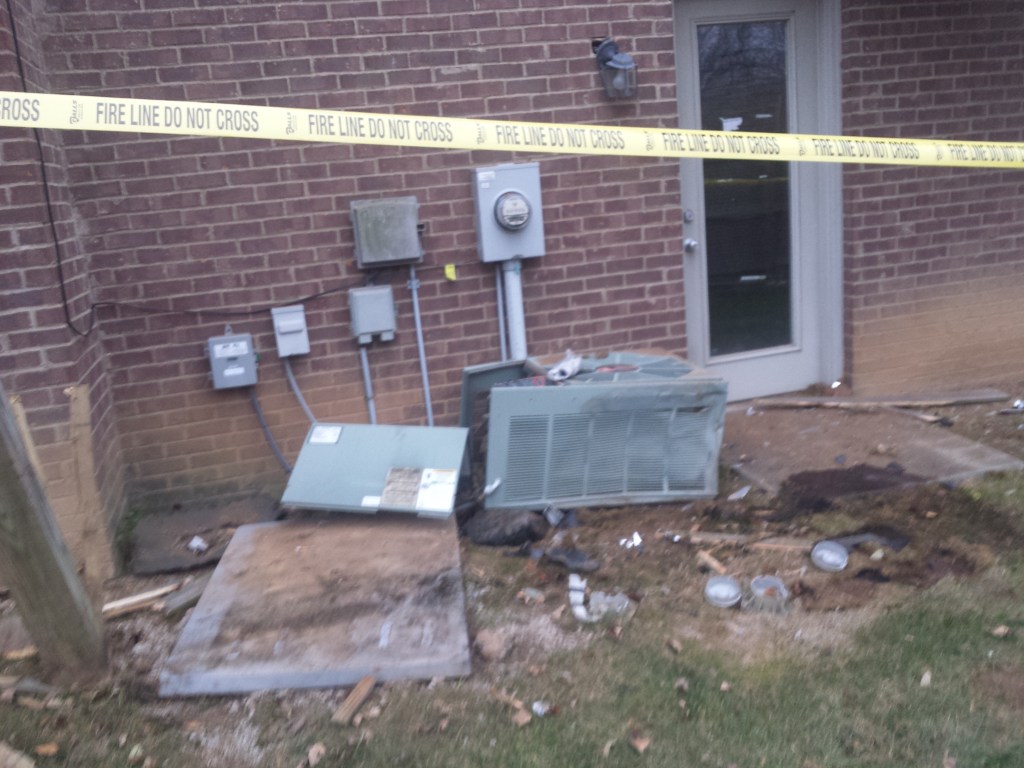
Then, an intoxicated driver drove into our property. Our property manager was out of town and couldn’t check on the unit. We expected someone else in the company to be able to take over when our specific manager was out of town, and that wasn’t the case. We had Mr. ODA’s family go take pictures of the wreck to ensure we got them ASAP.
After raising our concerns about response time to the property manager’s supervisor, we received this response: On a side note, [manager] has become very busy with his role in the company and taken on a very large property so I think this is attributing to some of his slow response times, although that doesn’t make it right or give him an excuse not to answer your questions. After that, we had several issues with the rental rate and whether it was listed for rent. Then, they didn’t push to uphold the lease, which allows us to enter to show the property with 48 hours notice, which would assist in not having a long turnover period of vacancy. They allowed the tenant to deny access over and over again, and they didn’t even start showing the unit until a week after she vacated it. After several more rounds of confusion about what it should be listed at and their complete inability to communicate with us, the contract was terminated.
The tenant moved out mid-April. We had a new property manager in place in mid-May. A two-year lease was executed for June 1st.
KENTUCKY MANAGEMENT COMPANY #2
This company now manages the townhouse and two new properties we acquired in September 2019. It has not completely been smooth sailing, but communication has been better than the previous company and we haven’t felt forgotten about. As I shared previously, we negotiated out of the 10% markup on invoices in our management agreement. However, their system automatically adds the 10%, so I need to stay on top of the charges to make sure they’re at-cost with no markup.
We’ve had issues with the lease terms meeting what we agreed upon. For example, we charge a one-time pet fee and a pet deposit. We expect to receive the fee as income, but it was put in the security deposit account. With the way it was written in the lease, we can’t access that fee until the tenant moves out now. There were conversations about 18-month leases, but then one lease was only executed for 12 months. Luckily, the tenant was amenable to entering a 6-month extension on her lease.
All in all though, it’s worked well that they handle rent collection and depositing the balance of the rent after their fees in our account each month. While there have been hiccups, it’s been nice to know that they have processes in place and we don’t feel like we’re starting from square-one. Even though we now live in Kentucky, we find their management fees to still be worth the cost and don’t plan to manage these properties on our own at this time.
Our first investment purchase was a townhome in central Kentucky (while living in Virginia) in February 2016.
At this point, we had purchased and sold our first primary residence, and had purchased a new construction home. Our first home sold for $62,500 more than what we purchased it for and we walked away from the sale with over $130,000. Our new home needed about $70k for closing, leaving $60k that we wanted to use for investment properties.
PURCHASING FROM FAMILY
Mr. ODA’s brother-in-law had purchased a foreclosed townhome while he was in college and rented a room out to his friend – excellent forethought and financial decision making there! When him and his wife got married, they were ready to look into a home with more space and less stairs, so we offered to purchase the house. About 2.5 years after he had purchased it, we set him up to make $16,500.
Their Realtor suggested listing at $90-95k. The comparable sales in the area were suggesting 95-100k, but the townhouse in question had a lower PVA than the others recently sold. There was another townhome in the community listed for sale at $100k, but it had been on the market for 4 months at that time, meaning the market wasn’t interested in it at that price. Additionally, this deal was being done off market, which automatically yields a higher net for the seller because there were no Realtor commissions and minimizes the risk of a listing. They didn’t need to get it ‘show ready’ or have to leave the house for an indefinite number of showings. We removed the uncertainty of how long the house would be listed and therefore how many mortgage payments they’d still be paying before it sold. We also eliminated the possibility of an appraisal and home inspection negotiation during the contract period. For all those reasons, we offered $85,000. We settled on $87,000 with $2,000 in seller-paid-closing-costs. A family member, who’s a lawyer, sent us a template for a contract, so we used that as a starting point, and I wrote up our own contract.
We first looked into a loan assumption. We started with several questions regarding how he was paying PMI (whether we’d have to assume the PMI, whether the PMI would be recalculated for the new appraised value based on our purchase, and whether there would be a penalty if we paid down the balance faster to eliminate the PMI), how the loan balance would transfer cleanly, and whether they needed to cash out escrow. After asking all these types of questions, we learned that PNC wouldn’t allow a loan assumption of an FHA loan since our intent was to use it as an investment property.
We did not do our own home inspection. We figured the HOA would cover the exterior, and we reviewed the home inspection he had completed two years prior. There had been a few upgrades since the initial home inspection, and there wasn’t anything that needed our immediate attention. We bought a new washer and dryer since the unit didn’t have any, and I painted most of it before it was listed for rent.
THE LOAN PROCESSING
Both sides of the transaction were able to sign the purchase contract electronically. We went through the whole loan processing without having to visit Kentucky. The attorney shipped the loan documents to us, we invited a notary over to watch us sign the papers, and then we FedEx’d the papers back to the loan officer for the sellers to sign.
While the closing itself went smoothly, we had several issues with our loan provider.
Our loan was a portfolio loan, which means that it’s a loan on the primary market and not backed by Fannie/Freddie. The interest rate was 4.5%; it was amortized over 30 years, but it had a balloon payment after 10 years. We paid careful attention to this loan (e.g., made many, frequent principal payments) because that meant we’d owe over $59k in 10 years.
It was amortized by 365/360 Rule (i.e., by the day) rather than the way it works in a traditional mortgage (annual rate divided by 12). In a traditional mortgage, the principal and interest difference is based on an annual APR, which creates a consistent amortization that gradually reduces the amount of interest in each month’s payment compared to the principal that will be paid. In the 365/360 Rule, each month’s principal and interest applied to the loan is different because it’s based on the number of days in the individual month. For example, in March, we paid February’s 28 days of interest, and in April, we paid March’s 31 days of interest; therefore, more of our March payment was applied to principal.
Here’s a snapshot of the amortization schedule, reflecting the changes of interest and principal by month.
The bank’s system was antiquated in that we could not make online payments unless we had a bank account with their bank. Being that this bank was in Kentucky while we lived in Virginia, we weren’t interested in opening a bank account and funding it just to pay this loan. This meant that all of our payments had to be sent by check to their location for keyed entry. The people responsible for entering these payments were not aware of the principal-only concept, and we spent almost the entire first year of the loan having to call every single time we sent a principal payment to have them reverse it, apply it as principal-only, and credit us the days worth of interest it cost us. After several months of this occurring and the response being that the teller doesn’t know how to enter it (then teach them…), we filed a complaint with the Better Business Bureau. We received all the interest owed to us as a result and all future payments were applied correctly.
Due to the poor relationship with the bank and the impending balloon payment, we paid off the loan faster than the 10 years. The loan was issued February 2016, and we made our final payment in April 2020.
PROPERTY MANAGEMENT
We hired a property manager since we were not local and didn’t want to manage showings or maintenance issues in an unknown market. The property management fee is 10% of the monthly income. We actually had several issues with the first property management company, but ‘managing the property manager’ is another post. We released ourselves from that first contract and negotiated with another company, who has been managing the property for the last 4 years.
We have also had to manage the HOA company to address water leaks that stemmed from the brick facade. Both times, the issue presented was eventually resolved, but never in a timely manner. Unfortunately, we are responsible for interior fixes (e.g., drywall) caused by the exterior cracks, which are covered by the HOA since it’s a townhome.
One final interesting story about this house. In November 2016, just a few months after we purchased the house, an intoxicated driver crossed the center line, hopped the curb, drove through the fence, and drove into the back of our townhome, destroying our HVAC unit and taking out a post of the 2nd story deck. It was a Sunday morning. We didn’t pay anything for this incident. The HVAC and a broken light were covered by the insurance company; the deck was repaired by the HOA’s management company. It was an incredible incident.
The townhouse hasn’t been easy to rent. We actually looked into selling it, but our property manager, who is also a Realtor, thought we could only list it at $90,000, which was not something we were interested in, having purchased it at $85k. Once the place is rented, we don’t have issues with maintenance, rent payment, or tenant-related issues. It just takes a month or two of vacancy before we find a qualified applicant. We have offered incentives for leases longer than 12 months to help eliminate our turnover rate and number of days vacant.
Don’t pay it. Get creative for your down payment. Here’s a brief on how PMI works and how we avoided paying it.
What is PMI?
A lender typically requires PMI when the loan is greater than 80% of the loan-to-value (LTV) ratio because it’s higher risk for them. If a buyer has less of their own money as equity in the property, the bank views this as a higher probability the homeowner will default on their loan. With that, the PMI is required until the borrower reaches at least 80% for the LTV ratio and the loan is in good standing for at least 5 years. This typically means that a borrower needs 20% of the purchase price as a down payment. There are a few exceptions, but overall, if you don’t have a 20% down payment, you’ll be paying PMI.
PMI can be up to 2% of the loan balance. The lender uses your credit score/history, the down payment amount, and the loan term to evaluate your risk and set the PMI rate.
While there are requirements that the PMI must be removed when your loan hits 78% and 5 years in good standing, you can request the removal of PMI earlier if your house value has risen (e.g., market fluctuation, improvements you made). If you request the removal of PMI, you may be required to pay for the new appraisal, which is an added cost. You should weigh the cost of the appraisal against the remaining payments. In a broad example, if the appraisal costs $450, and your monthly PMI is $120, then as long as you have more than 3 months left before hitting the 78% LTV ratio, it’s worth paying the appraisal fee to have PMI removed. There is also a risk that the appraisal doesn’t come back with a high enough house value, so you should be confident in your home’s value before requesting said action.
How did we avoid paying PMI?
While we were more than qualified to purchase a home in the D.C. suburbs based on our debt-to-income ratio, we restricted ourselves to what we could afford as the down payment.
A bank qualifies you based on your debt-to-income ratio. If you have low recurring monthly bills, then you’re qualified for a larger loan. At the time, our only recurring monthly payment was on my vehicle, at about $350/month. The bank pre-qualified us for about $700,000. Sure, we could “afford” a monthly payment on a $700,000 mortgage, but then we couldn’t eat, sit on furniture, or do anything else. 😉 We’d also be paying PMI because we didn’t have 20%, or $140,000, to put down.
Also due to our low debt-to-income ratio, we couldn’t qualify for any programs that would allow anything less than a 20% down payment for a mortgage. We set our purchase limit at $350,000, which meant we would need $70,000 for the down payment, plus closing costs. Due to the limited inventory at that price in the DC suburbs and the knowledge that we were pre-qualified for double what we were searching for, our Realtor kept pushing us to raise our purchase price. However, we advocated for ourselves and kept our focus on what we could afford as our down payment so we wouldn’t pay PMI. After months of searching and seeing places that were literally missing floors and walls, we increased our search to $400,000, hoping that if we found something in the 350k-400k range, we could negotiate it to 350k.
Our move to the D.C. area was not in our original plans. Mr. ODA had been saving through high school and college, expecting to buy a house in a lower cost of living locality. When we moved to D.C., we knew that we would need to change our expectations and day-to-day actions. We rented an apartment in Fairfax, but we didn’t want to be putting over $1600 per month towards rent for long, and we’d prefer to be paying towards a mortgage and building equity in a home. Positives to owning a home: mortgage tax deduction, appreciation, and the equity building that you get back when you sell the home.
While we rented, we were conscious of our spending. We aimed to spend less than $10 per day on food between the two of us, and we limited how much we ate out. We did activities with Groupons or restaurant.com coupons.
We moved to DC in December, and over the summer, we put an offer on a flipped foreclosure. The listing was $384,900; our offer was $380,000 with $2,000 in closing costs. It was denied by the bank, as we were told we were the 2nd best offer of 3. The next day, we got a call that the bank countered our offer. Apparently, the first offer attempted to negotiate their offer further, and the bank moved on to us. They countered $380,000 with no closing costs; we accepted. We now had to scrounge up about $80k for closing.
We looked into a Thrift Savings Plan (Federal government’s 401k) loan. Many warned us against the idea, but our research showed it wasn’t as much of a concern as others let on. The details of this loan option are on another blog post. We decided to each take a residential loan from our accounts. I took a $15,000 loan and Mr. ODA took a $25,000 loan. We also borrowed $5,000 from Mr. ODA’s parents and paid it back within a couple of months. We avoided PMI.
An argument heard about not owning a home is that it costs a lot to maintain a home. While owning the home for 3.5 years, we gutted the main floor bathroom ($4,000), replaced the AC ($3,600), replaced the hot water heater ($1,100), resolved termite issues with treatment and wall replacements ($2,000), laid carpet in the basement living area, improved the yard through grass maintenance and purchased a shed, and painted a few rooms. We sold the home for over $60,000 more than we purchased it for (tax free since it was our primary residence the whole time), far more than the minimal expenses we put into it.
Key takeaways from our experience:
The efforts we put in to avoid paying PMI meant we had another $100-200 in our pockets per month. Instead of padding the bank’s ‘pockets,’ we paid ourselves back with interest into our retirement account.
We lived below our means, saved, and kept focus on the big picture.
We pushed ourselves to our financial limits to begin building equity in a home, rather than paying rent to a landlord (or in our case, an apartment company). The efforts put in that year have paid off time and time again, starting with selling the home 3.5 years later for a profit that led to some of our first rental purchases.
I shared that I would tell the stories of our home purchases. Instead of starting with #1, I decided to start with the most interesting. This property was being sold by a licensed Realtor, so we had a false sense of security. It ended up being the sketchiest (technical term) deal we’ve done. This is in Virginia.
We started with a home inspection, which revealed several issues. We requested the HVAC condensate line be cleared and the water in the backup pan removed. We also agreed to have our attorney withhold $1,300 at closing, to be paid to a contractor of our choice after closing, to repair other items found during the inspection. I can’t remember why we were handling the home inspection items, but that should have been the first red flag.
Our closing was scheduled for 8/18.
We were told that the HVAC repairs agreed upon were completed. We went to check on the progress of cleaning out the house and the HVAC repairs on August 10th. The HVAC’s backup pan still had water in it, and the house was filthy (after being told it was ‘vacant’ and ‘cleaned’). Plus, the electric was turned off. We had our Realtor reach out to the seller to cover our bases. Here’s his email:
While waiting for a response on this email, we checked with our closing attorney to ensure everything else was ready for closing; it wasn’t. We fully expected a “we’re clear” response, but instead we were told they were having trouble clearing the title. We weren’t given the specifics, but that’s not what you want to hear a week before closing. It ended up being cleared, but that was one more thing to worry about!
As typical, we had to do a final walk-through of the house to ensure it’s in the same condition (or better) as it was when we went under contract. Knowing how poorly the seller communicated over the previous month, we wanted to see the house the day before closing, rather than right before we head to the closing table. The electric was still not turned on, and it wasn’t cleaned. Our Realtor contacted the seller again. We were assured it would be addressed, and the electric would be on. We made plans to walk through the house in the morning.
Our Realtor was unavailable that morning, since this wasn’t supposed to be part of the schedule, so he sent a team-member to let us in. As luck would have it, she dropped the lockbox key below the front porch, so we couldn’t get in. We called our attorney and postponed the closing to later in the day. The Realtor was able to obtain a copy of the key to let us in, where we learned the electric was still off.
I contacted the electric company. I explained that I was the buyer, and the seller kept saying the electric would get turned on, but here we are at the 11th hour with nothing. The woman on the other end couldn’t tell me what she was seeing since it wasn’t my account, but she carefully played with words to let me know: sorry, hunny, but there’s no way this electric is getting turned on while under this person’s name because there is a high outstanding balance. She assured me that if I put it in my name, there wouldn’t be any issues. However, I wasn’t about to pay fees and put it in my name before the house was legally mine.
This is where we learned that a good attorney is worth his weight in gold. We never really understood the role of a closing attorney, since all our closings had gone smoothly (I mean, we could sign all the closing documents in about 20 minutes at this point). Since the electric wasn’t on, and we couldn’t verify the condition of the home, as required by the contract, our attorney withheld $5,000 of the settlement proceeds. The seller’s attorney was NOT happy, but it was entertaining to watch from our standpoint.
We had been provided a ‘receipt,’ dated 8/17 (the day before closing), that indicated an HVAC repair man had been out to do the work required. We are pretty sure that this was falsified. There was no electricity in the house that day, and there was still water in the pan on 8/18. Here’s the email I sent to our attorney releasing the $5,000 withheld, less the cost of my HVAC technician performing the repairs.
It cost me $125 for the HVAC technician’s trip. Our attorney told the seller’s attorney that he would release the $5000 less the $125. The seller’s attorney said he didn’t have any authority to allow that; so our attorney said he didn’t have any authority to release the $5000. Well, the seller’s attorney decided $4875 was better than nothing, and I got my $125 back.
All in all, everything fell into place, but there were many days and hours that felt like we were about to fall into a pit.
We purchased the house for $89,000, plus the $1,300 for contractor repairs, and the seller paid $2,000 of our closing costs (this minimizes the amount we have to bring to closing and allows us to leverage every last dollar we can for maximum efficiency). Our first lease was for $995/month, exceeding the 1% Rule. We closing in mid-August, and the first lease didn’t execute until October 1, which was one of our longer vacancies. That tenant renewed her lease once. Currently, the rent is $1,025/month. We sought $1,050 for a 12 month lease, and the prospective tenant negotiated an 18-month lease at $1,025. We accepted this because it was rented in October, and an 18-month lease brought as back to spring-time turnover. Even though taxes have risen since the purchase, we still maintain the substantial cash-on-cash return that is provided for in trying to obtain the 1% rule on investment real estate purchases.
After closing, I painted nearly the entire house (including the trim) over the course of a week; the house looked significantly better with just a fresh coat of paint. We also had to do a more thorough cleaning job than we’ve typically had to do on houses we purchase, including caulking the tub and cleaning the carpet.
We replaced the dishwasher with the first tenant, and then replaced the refrigerator after the second tenant kept complaining about the seal not working well. Most costly, the house has had several roof and siding issues. The kitchen was an addition with a flat roof, which typically causes problems. We replaced the gutters, fixed the flashing, repaired some siding, and then eventually replaced that part of the roof altogether. We also had to replace a cracked window, which was surprisingly under warranty. It took a lot of work to find the window manufacturer and a local distributor, but it surprisingly all worked out because it was a stress fracture and covered under a lifetime warranty.
Back in 2018, my husband started this blog and introduced himself. I had a different upbringing than him, and he asked me to introduce myself back then, but I didn’t make the time for it (something about being a first-time mom and going back to work 🙂 ). Now I’m ready to take over the majority of this task, but first wanted to share more about me. You can see whether it’s my post or his by the author listed by the post title.
I’ll come right out with it: I didn’t grow up with an allowance. I don’t have a pretty, neat story like he does. I mostly learned about the value of money through hardships in college, and then I let Rob lead my finances before we even started dating. That’s the quick version; now the long.
I had a check register, and my mom taught me how to balance a checkbook. I found the process fascinating and kept up with it, but it was always in terms of play, not actual budgeting of my money. Quick sidetrack: I remember having a sleepover at a friend’s house with 3 or 4 other girls. I was so excited about my new checkbook and how to manage the register, but we went overboard and I regretted how many checks we used in my checkbook. I hid at the top of the stairs to the basement, sulking in my decision and making it awkward for everyone. Things you wish you didn’t remember, but they always seem to surface and renew that 12-year-old’s embarrassment.
I had chores, but they were expected to be accomplished without payment. Before you feel bad for me, it wasn’t what it seems. My parents were GOOD to us. If I went to the movies with my friend, my dad handed me cash. I used to hang out at the mall regularly. I rarely bought anything other than McDonald’s and candy, but I can honestly say that I don’t know how I made the money to even buy those things (I’m assuming it was related to birthday cards).
I didn’t have a job until after high school. I really don’t know why; it wasn’t discussed and my friends didn’t work, so it wasn’t a thing I thought about. The first I remember it being discussed was right before graduation. I walked through my town’s main street and asked each business if they were hiring. That’s how I ended up working in a bagel shop every morning at 5:30 am. I was paid ‘under the table’ and continued to not understand the value of money and how taxes affect my pay.
During the summer after my freshman year of college, my dad told me that I needed to have a job before I could have a car. I was already back at the bagel store in the early mornings, but it wasn’t ‘full-time.’ I applied to several places, but not many places got back to me. I eventually got a second job working at a catering hall in my town, which took up my Friday nights, Saturday days and nights, and Sunday afternoons. For some reason that I can’t remember, this wasn’t enough to meet “full time job” level of income or hours worked because I then started working at K-mart as a cashier. I worked 3 jobs that summer. At the end of the summer, my dad let me bring his car to school (3.5 hours away). I was disappointed that I thought I’d be getting a new(er) car (disclosure: I expected to pay for it, but I thought the goal here was to prove I could make enough money to support the payment of it, and he’d help me get the car).
I was driving home for winter break, and the car just stopped accelerating up a hill on the interstate. Turns out, second gear on the transmission was shot. My dad said I could pay to replace the transmission and the car would be mine. I didn’t like the idea of having an unreliable car 3.5 hours from my family and was still salty about all the hours of work I had put in over the summer. I decided I wanted a leased vehicle because it didn’t require a down payment (amazing logic…), and I ended up with a Honda Civic for about $350 per month. At the time, I was working at JCPenney for about $5.85 per hour while attending school.
During the school year, my parents told me that they wouldn’t pay for me to live on campus in my junior year. They said either I needed to take a loan out or become a Resident Advisor (RA). Being an RA seemed to interfere with my social life, so I decided to move off campus because then I could pay month-to-month with the money I earned instead of needing a loan to pay a semester’s worth of housing up front. However, it wasn’t easy. All my friends were still living on campus, and I didn’t want a random roommate. I lived on the first floor of a house where my landlord lived upstairs. I couldn’t afford it, but I was determined to make it work, meaning I didn’t turn the heat on. I had blankets though … in Albany, NY. My mom didn’t appreciate finding out that I hadn’t turned the heat on by Halloween, and she started sending me some money. She sent me $100 for 6 months in a row, and that covered my utility bills through the winter.
When I started working, my parents taught me to contribute to my TSP (401k). I put the amount required for full match (5%) because if I didn’t, that would be like throwing away free money. Then they taught me that each time I got a raise, increase my TSP contribution with that difference since I was already living comfortably without it. I followed all of that advice and continue to share that insight with others.
Enter Mr. ODA. He showed up at my office nearly 2 years after I started working there. One night, before we were dating, he asked me my social security number. Odd! He told me I needed to build credit and was signing me up for a credit card that I was to pay off monthly. Multiple people had told me that I should always carry a balance on a credit card to “build credit,” and he was quick to right that wrong. Shortly after we started dating, he had me max out my TSP contributions and start a Roth IRA, and the rest is history. He’s lucky I’m such a quick learner. 🙂
In honor of my last post being two years ago, we’re starting this back up! Here’s a summary of what’s been happening, and I’ll delve deeper into specific topics with future posts.
In January 2019, Mrs. ODS was back at work part time after having our first child, burning through sick leave, getting ready to quit her job. In February 2019, the Federal government was shut down for several weeks, and I found other tasks to occupy my time, including being the full-time caregiver to our son. I took a temporary assignment over the summer of 2019, moving my family to Lexington, KY for 3 months. My wife was pregnant with baby #2, which wasn’t easy. On January 2, 2020, she was admitted to the hospital for pre-term labor at 26 weeks. Luckily, they were able to stop contractions and send her home for bedrest for the next 10 weeks. A week after the country shut down, baby girl was born full term and healthy. Living through a pandemic and limiting our social circle while at home with a newborn and toddler (19 months apart) made us realize how we wanted to be closer to family. On a whim, we agreed to move to KY. Everything played out a lot faster than we expected, and we sold our VA house in September 2020, moved into our new home in KY in November 2020, unpacked, celebrated the holidays, and here we are. We both feel better suited to continue to build these efforts started so long ago.
Here are the goals: teaching posts, story (background) posts, and monthly financial updates. Each post will be categorized into one of these for ease of future searches. We’ve made a lot of financial decisions over the past two years and have a lot to share!









 One Dollar Allowance