Here’s something different. Medical insurance isn’t something I’m going to pretend I understand fully, but I know enough to protect my money. So here’s two quick stories about how due diligence saved us hundreds.
First, an overview.
When you see a provider (e.g., doctor), they bill your insurance on your behalf. The claim that’s submitted is reviewed by the insurance’s benefits administrator, and any coverage is paid out. Your insurance will likely have a “disallowed” amount (what your insurance deems is too expensive to be billed for the given service), a benefits paid amount (what insurance pays on your behalf), and then a member responsibility amount (what you owe). Once the claim is processed, these are outlined in an explanation of benefits, or an EOB. If and when you receive a bill from the provider, verify against your EOB to ensure that it aligns with your insurance benefits.
Here’s an example of an EOB. By using a provider that is in-network (in a negotiated agreement plan with my insurance company), the doctor and the insurance have agreed costs for services provided. My insurance’s “allowances” are negotiated with each provider who participates in the network. Allowances may be based on a standard reduction or on a negotiated fee schedule. For these allowances, the provider has agreed to accept the negotiated reduction and you are not responsible for this discounted amount. In these instances, the benefit paid plus your coinsurance equals payment in full. So here, for the services that I received, the insurance company is saying, “I see you billed for $115, but we agreed that this service only costs $65.34, so that’s what we’re allowing.” You, as a covered member, are not charged for the ‘disallow’ amount of $49.66.
In our case, we have a high deductible plan, which means we have to spend a certain amount of money on covered services before the insurance pays out benefits. Ours is $3,000. This means that for the first $3,000 worth of doctors visits to in-network providers, we’re paying the total allowed amount (e.g., our son had to go to the ER, and we paid $609 for the visit, which is the fully allowed amount). There are plans out there where you don’t have a deductible, but you have a copay (e.g., I had a plan where I paid a flat $20 for each doctor’s office visit and $125 for each hospital visit, but I was also paying a higher premium for that coverage type). In a future post, I will share how we compared our plan options and chose a high deductible plan.
After we meet the deductible, most of our services are covered at 95% (i.e., we’re responsible for paying 5% of the allowed charges). In the example above, we had to pay 5% of the $65.34, or $3.27.
There are tons of nuances to insurance though, but hopefully this broad overview helps understand how to read the EOB. I have more stories of where my interpretation of the coverage in my brochure doesn’t seem to match the benefits administered, but those are for another time. For now, here’s how we protected hundreds of dollars by staying on top of our coverage.
MR. ODA’S STORY
Speaking of nuances, here’s one of those. Preventative care is covered at 100% (e.g., maternity screenings and annual physical exams). Mr. ODA needed a physical to qualify for his agency’s wellness program (they’re given 3 hours per week to exercise). When he went to get the physical, it got coded as a sports physical because the doctor had to sign off on a paper that said he was healthy enough to participate in the wellness program. A routine annual physical is fully covered by insurance, regardless of deductible. Apparently, a sports physical is not the same concept and regular coverage requirements apply.
Mr. ODA had to call back to explain that the exam was routine with a signature on paper, and not any more in depth to be considered a sports physical. The doctors office offered a reduction in the amount owed, twice, but eventually realized they were spending more in postage and phone calls than the bill was worth while Mr. ODA fought the coding, and they wrote it off.
MRS. ODA’S STORY
I saw a doctor in December 2019 when having pregnancy complications. In February 2020, I received a bill, which I promptly, and erroneously, paid. A few days ago, I received a check for the amount I paid a year and a half ago. So it wasn’t a quick resolution, but I wasn’t going to let $300 go.
The bill said: Charges to Date: $451.00 Payments/Discounts to Date: $157.85 Remaining Patient Balance: $293.15
I had seen multiple doctors in a short period of time, so I was just in auto mode to pay all the medical bills that I had. After I paid it, I realized that on the back of the bill there were more details about that “payments/discounts” line item. There were three columns: Insurance Payments, Patient Payments, and Adjustments to Date. The total $157.85 was in the Adjustments to Date column, and the insurance column said $0. I checked into my insurance claims online and didn’t see this date of service. Well, I’m insured, so this should have been submitted to my insurance for review first. I called the hospital to indicate that there was an error made, and I shouldn’t have paid this in full, even with an “uninsured discount” they graciously offered me.
I called the hospital to ask why this wasn’t submitted to my insurance and discovered that my name was spelled wrong, my insurance was entered wrong, and this claim wasn’t tied to all my other hospital-related claims I had processed. Supposedly, they updated my information and resubmitted. I still didn’t see it on my online claim history after the 30-45 day window they told me, so I called again in April 2020. I was told they would resubmit. Two months later, I was managing a newborn and we were just deciding to move, so this fell off my radar. Then all of our things were in storage for two months. By the time I got this paperwork back out, it was March 2021.
I explained my story to the hospital again and asked for it to be properly submitted. I was again told they would submit the claim, but this time they’d submit by paper handling. Again, nothing showed up in my insurance. I called in April 2021 and was again told that they would try submitting again. This time I escalated to a supervisor. I said that this was unacceptable, and I didn’t want to keep being told they would try again, delaying my reimbursement by another 30-45 days each time I called. The supervisor said she would ensure the paper claim was sent out and call me back in a week. I never got the call. On May 18, I called again, immediately asking for a supervisor. This supervisor said that my account showed a refund was approved, but he needed to issue it (why couldn’t that just have been done?!).
Well, on June 1, I received a check in the mail for $293.15. That’s the amount I paid back in February 2020 for a December 2019 date of service. I could have written this off in my mind a year ago and not made these five or six phone calls, taking about 90 minutes of my time in total. I could have said to myself, “I called. There’s nothing more I can do.” But we wouldn’t be in the position we’re in now with our finances if I kept saying “oh well, that’s all I can do.”
The moral of the story is that you should be an informed consumer. If you know how to determine your benefits and calculate your coverage, you can make sure the proper payments are made to the provider, and that you aren’t overcharged.
This is a good one. This is the one we use when people say “how can you handle all those properties,” and I respond, “if we survived this one tenant, we know we can handle whatever gets thrown at us.” Hoarding, mice, court dates, eviction. But its not always like that. The sun shone down on us for the current tenant though, who signed a two year lease and take care of the house (like, even power washed it on their own accord). The stories below show that you need a thick skin and a smooth temperament to be a landlord. Treat this as a business.
LOAN
This house was purchased ‘as-is,’ but we still had a home inspection contingency in the contract. It was listed at $139,500; we purchased for $137,500 with $2,500 in seller subsidy. We went under contract on 8/14/2017 and closed on 9/22/2017. The appraisal came in at $141,000, so we were content with our decision.
We refinanced the loan in May 2020. Our original loan had a balance of $105,800 at the time of the refinance. We rolled closing costs into the new loan and cashed out $2,000, making our new loan amount be $111,000. The refinance reduced our interest rate from 4..875% to 3.625%, shaving $104.25 off our monthly payment. I went into detail about the refinance in my Refinancing Investment Properties post.
Following the 1% Rule, we would be looking for $1,340 in rent (net of seller subsidy), but we haven’t received that yet. The first tenant’s rent was $1,150 and the second at $1,250. For the third potential tenants, we listed at $1,300, but the new tenants negotiated to $1,280 for a 2-year lease.
TENANT #1: OUR WORST
The application. It’s hard to not give someone a chance when their application is borderline, but I suggest letting the information on the screen speak to their character. Before the official application was run (which includes a background check), she admitted to a felony that she served 2.5 years for, and she filed bankruptcy due to a stolen identity while she was incarcerated. It seemed like she paid her dues and was building a new life. We got her application about two weeks after closing, so it wasn’t like we were desperate to rent it at that point. But she was quick to fill out an application and provide necessary documentation, so we decided to give her a chance. She moved in on 10/1/2017 with her 3 children, one of which was born days after she moved in. Her rent was $1,150.
We didn’t have any unreasonable situations with her in the first year. We did have a maintenance call for a leak under the kitchen sink, and we noted that the house wasn’t tidy. It seemed like she was a coupon-er, where she stocked up on a few items and probably resold them, which supported how she kept wanting to pay us in cash. The house wasn’t to my standard, but I didn’t look close enough to notice that it was dirty in addition to cluttered. I wanted to say something, but didn’t know my place at that point. Hindsight: I should have told my property manager and had her issue a written notice. This won’t matter down the road for legal proceedings, but perhaps we could have saved ourselves some headaches if she took the notice to heart; I was just afraid of offending her. But, other than that small concern at the time, we had no issue renewing her lease for another year.
The tenant complained about seeing a mouse around February 2018. We informed her at that time that pest control was up to her because of her living style that was attracting the pests. She claimed to have a quarterly treatment through Terminex. She complained further of mice in November 2018, but I wasn’t part of that conversation. It appeared to be that she was upset that there were still pest issues while she was paying Terminex. Well, that’s an issue to take up with the pest control company, not us. Our property manager gave her the information to our pest control company and shared that it would be a bit cheaper for the quarterly plan too. We heard nothing more until all hell broke loose in April 2019.
She sent pictures of mice poop all over the house on April 9, claiming that she had been out of the house from March 31 through April 8 and came back to this sudden mouse infestation and would be leaving the house. Well, that’s not how it works. She claims that was her ‘prompt’ notification, as if mice set up camp in a lived-in house that’s well maintained out of nowhere (news flash: it wasn’t well maintained and clean). She claimed that because of the living conditions (that she perpetuated), this would be her last month in the house. We knew we had the lease to fall back on, so we continued to remind her that this wasn’t on us and she couldn’t leave us with the financial burden and walk away. We had our pest control company go to the house as soon as possible, and we received their report on April 12.
But wait! While complaining about the condition of the house (that she caused), she wanted to know if she could buy the house!!!! Logic always seems to abound in these situations; it’s hysterical. We offered her to purchase the house from us at $148,000. She ignored it after that offer.
Both the pest company and our HVAC person noted a dog on the premises, which was in violation of the lease. HVAC was called out to fix a wire on the outdoor HVAC unit that the dog had chewed through. She also wasn’t taking care of the yard, and the City of Richmond was fining houses that violated their weed and grass clauses, which we notified her of on May 9.
She didn’t pay April or May rent, so we had a court date set for May 10. We had told her that she had to pay all overdue rent and late fees for us to cancel the May 10 court date. She didn’t pay, so our property manager went to court. The judge awarded us possession of the property, but since there was such outstanding rent and damages, another court date was set for July 1 to award us the money owed. In front of the judge, the tenant handed the keys over to our property manager, saying she was moved out. Immediately after leaving the court house, the property manager arrived at the house to do a walk through, only to find several people inside. She called the police.
The officer assessed the situation. He said that since they’re still moving things out (and there was a lot to move out), that it was a benefit to us that they were still working on it. He suggested asking their input on when they thought they would be done. One guy said at 3 pm. We agreed to let them stay, and I would go by after work to change the locks.
I showed up at 4 pm to change the locks, only to find people still coming in and out of the house. I called the non-emergency police line and waited for the cops to show up. It’s officially trespassing, and we were prepared to press charges. The officers knocked on the door and asked the people inside (none of whom were the tenant on the lease) to leave. One woman started a whole spiel about how she’s on probation and everything that she’s been arrested for, so she didn’t want to be arrested. The officer was funny to watch, and he just kept saying, “I’m not arresting you. I just want you to leave.”
After they drove away, the officers let me walk the property to ensure everyone was out. The place was destroyed!
By Virginia law, we are required as landlords to make every attempt possible to get the unit re-rented and let the old tenant “off the hook” for unpaid rent. Meaning, we can’t hold them to the entire term of the lease and have a vacant house. Regardless of this, we wanted to get everything fixed and replaced in the house so that we had an exact amount to claim during the July 1 court date.
The linoleum replacement was the critical path. She had destroyed it (looked like some chemical ate through it) beyond repair and it had to be replaced before we could re-rent the house. Home Depot’s timeline was really behind, and they weren’t able to get us scheduled for installation until June 20th (after she had “vacated” May 10th).
I compiled a list of lease violations with my documentation to support the claims in which she violated the lease on top of the obvious (e.g., dog on premises, smoking in the house). We had invoices from the pest company, the HVAC company, the trash removal company (over 40 cubic yards of garbage was left in the house when they finally vacated), and the “hazmat” cleaning company, all corroborating an unclean and unkempt living condition.
We went into court with a claim of $9,250. This was unpaid rent for 3 months, late fees, junk removal, pest control, HVAC fixes, professional cleaning that included a ‘hazmat’ charge, and all our paint and flooring charges.
We won the first judgement in court, simply because the defendant didn’t show up. We were awarded $9,250 plus the court fee and 6% interest. Well, somehow the court accepted her plea of needing another court date after not showing up to this one, and that was on July 10th. The judge that day reduced our rent and late payment owed by one month, and reduced our reimbursement total by a bit more than the security deposit we had already kept, bringing the judgement to about $6,600 plus the court fee and 6% interest.
Per the court process, we were required to work with the ex-tenant to develop a payment plan. We offered her a payment plan via email that was never responded to. From there, the next step is to retain an attorney for wage garnishment.
I contacted the attorney we use to help with wage garnishment, but he wasn’t experienced. He referred me to someone, who let me know that he’s already representing someone who has a claim against her. He said that he could still represent me, but I’d be second in line to any money they get from her. He offered me another attorney’s name to see if that one could help me instead, but that attorney said he couldn’t represent me because he already has another client looking for money from this woman. Interesting that two attorneys had different answers, but we went with that first. We haven’t seen a dime. Once the money was spent and we paid off the credit cards, it wasn’t on our radar anymore. Anything we get from this woman will be a bonus at this point.
TENANT #2: BLISSFULLY UNAWARE OF HOW LIFE WORKS
Two kids just out of college were our tenants that came in after that mess. They were great tenants, but a bit unaware of how the world works. They didn’t get the utilities into their name timely, so we charged them for the bills that came to us. After that, they paid their rent on time, and even when their restaurant jobs shut down at the beginning of the pandemic, they prioritized paying rent over other things they could have spent their limited income on; I was impressed. At the end of their lease, they were a bit lost too. Our lease requires 60 days notice of your intentions – either leave, or renew. Our property manager reached out to them at the 60 day mark, and they said they weren’t sure what they wanted to do, but were looking for other places. Since, realistically, we weren’t going to list the house for rent at 45 or 60 days, we told them that was fine. They came back after a week and said they were going to move out.
We moved forward with listing the house for rent and vetting new tenants. We had our property manager show the house on June 10 for what would be a July 1 lease. About a week later, the current tenants asked if they could stay longer because they didn’t get the place they were looking for. Sorry, but that’s not how it works and it’s already rented. The new tenants were OK with moving in July 15, so we allowed the college guys to stay until July 10. Then we hustled to get the house put back together before the new tenants. Specifically, one of the tenants was an artist, and he hung a huge canvas on one of the bedroom walls to paint on. Well, the paint bled through.
They also didn’t tell us that the range wasn’t working. When we asked about it, they said something to the effect of, “oh yea, we smelled gas, so we just cut it off. That was back in March.” Goodness!! So we quickly ordered a new range. We also had to have the carpets professionally cleaned, which was especially frustrating since they were only a year old. Luckily, the ladies who came to clean the carpets worked their magic, and they came out looking good as new. The microwave handle was broken off, and when we looked to buy a replacement, it was essentially the same cost as a new microwave, so we installed a new one.
While we were working in the house, we noticed that the air conditioner wasn’t keeping the house cool. We had an HVAC tech come out to the house, and it was either $1,400 to repair (after we had already previously put money into the HVAC unit), or $5,000 to replace it. We decided to replace it after it died shortly after the third tenants moved in.
TENANT #3: SOME OF THE BEST
These tenants have been wonderful. They’re both pharmacists at the local college and have been very self-sufficient. They’re great about alerting us of issues, but not in a way that it seems like they’re nitpicking. For instance, they wanted to store their lawn mower and other things in the shed out back, but the handle was broken off it. We told them that if they wanted to purchase a replacement, we would reimburse for the cost. Then they noted that the closet dowel was broken and they replaced it. I told them I would pay for that, so just take it off the next month’s rent. When they sent me the receipt, they had only taken the rod itself off the rent, but not the brackets to hang the rod. I immediately sent them the rest of the cost!
They’re one year into a two-year lease, and we’re very happy with them. They always pay their rent on time, they communicate regularly, and they’re taking care of the house.
MAINTENANCE AND REPAIRS
Since I’ve covered a great deal of the repairs we’ve managed in this house through each of the tenant stories, here’s a quick summary of other items.
Shortly after the third tenants moved in, they politely let us know that their dishwasher wasn’t cleaning the dishes. They very clearly identified the problem and the steps they had already taken to attempt to fix it, but it wasn’t working. We purchased a new dishwasher the day after they let us know. So in the matter of a month, we replaced the built in microwave, range, dishwasher, and HVAC. The only appliance we haven’t replaced in this house now is the refrigerator.
There was an electrical issue that we had sort of noticed before, but hadn’t pinpointed it without having things to plug into all the outlets. We had an electrician go out and fix the switches and outlets that weren’t working in master bedroom.
AN OVERALL LOOK AT THIS HOUSE AS AN INVESTMENT
Remember how real estate investing provides multiple avenues for wealth building? Here’s how they’re looking for this property.
Cash Flow – As we have had to replace nearly all appliances, including HVAC, and all the flooring among several other smaller issues, our total cash flow on this property is nearly nothing. But, like mentioned before, we shouldn’t have any big purchases coming and will start to be able to pocket the profits on this house once again.
Mortgage pay-down – The tenants have paid our mortgage for us, but due to closing costs of refinancing and choosing to take $2,000 cash back from that refi, our principal is actually higher than when we bought it.
Tax Advantages – We always depreciate the cost of the structure for paper losses that help offset profit on properties for tax purposes. All those repairs and appliance replacement expenses that eat into the profit margins are written off. So come April 15, the silver linings of those expenses are realized.
Appreciation – This one is good for us. This house is in a developing neighborhood and the area around it is being revitalized. Coupled with standard appreciation and the *hot* real estate market we’re in now, the value of the house is 150% of what it was when we bought, in less than 4 years.
SUMMARY
We’ve put about $10,000 into this house at this point. But that means we have a lot of brand new things in it. Now isn’t the time to give up on the house, since we should be in a position to not deal with many maintenance requests. Rent continues to climb, increasing our cash flow, while we just brought our mortgage payment quite low with the refi, and the property will continue to appreciate in value.
We learned a lot about the eviction process, even dealing with local police officers in the process. The court system and law enforcement are fairly simple to work with, as long as you are a fair and respectful landlord, keep documentation, and follow landlord-tenant laws. When the tenant doesn’t live up to their end of the bargain, justice will be served.
Spring is a time for lease renewals or preparing to re-rent a house.
Spring and Summer are times when people are most active in the real estate market. It’s the best time to be listing your house for sale and for rent, which may yield you a better sale/rent amount because of greater competition. This timeframe is likely most active because of the better weather for moving and the school year – if a family is looking to move, they’re more likely to do it when they don’t have to transfer their kids to a different school district mid-school-year. Personally, when I was in college, nearly all the rentals were available in May or June. I remember being frustrated that I couldn’t get an August lease and had to pay for the summer months even though I’d be back living at my parents’ house. Now that I’m older and have more experience, it all makes sense. Below, you can see the increase in applications processed by SmartMove (the way we process tenant applications) that occur during the summer months, which indicates the most active time in the market.
We have seen this reflected in our days-on-the-market and rent prices. When we can list a house in the Spring months, we’re able to get it rented with very few days vacant. Houses that we’ve closed on at the end of the Summer (when school starts) and in the Fall have taken us more time to find a tenant, and we’ve had to reduce our asking monthly rent amount.
For those houses that we had purchased in a less-opportune time of year, we’ve worked to get them back to a Spring-time market for renewal.
We purchased two in September 2019 that we weren’t able to get rented until November 1st that year; we offered those tenants an 18 month lease so that their lease expiration would become May 31st.
We did similar with a house that we purchased in August. After that first year, a prospective tenant tried negotiating the list price for rent, and we said we were willing to reduce the rent a bit for an 18 month lease; they agreed, and we got our rental on a Spring renewal.
We recently had a tenant break their lease (with our concurrence), so that house has a lease expiration of October 31st now. We intend to offer a 6 month lease term to that tenant when the time comes.
With that said, we have lots of activity at this time of year.
We have 9 houses in Virginia and 3 in Kentucky. These markets are so different for us. We do our best to work with our tenants to encourage them to continue renting with us. I wrote about this in detail in my Tenant Satisfaction post.
Here’s a break down of how we handled all the leases that are expiring at this time of year.
In Kentucky, one lease was set to expire at the end of April and another at the end of May. These two properties are under a property manager. She attempted to increase the rent for a new lease term, but the tenants pushed back. Landlords don’t have a lot of leverage in a pandemic. Since the property manager is the one who handled the communication, I don’ t know what the details were. We believe both these houses are rented for less than market value, so that’s unfortunate. But, we’re grateful that both tenants renewed their lease for a year, so we don’t have to work to turnover the houses. Within reason, we’d always rather rent for a few bucks under market value than to handle turnover and lost rent (vacancy) by trying to maximize monthly cash flow.
In Virginia, we have an array of situations. Richmond was quick to acknowledge the property value increases that have occurred over the last year or so. This means that they increased our assessments, which effectively increases our property taxes.
We have the first two properties that we bought in that market, which are next door to each other and both have long term tenants (one since we before we purchased it, and the other is the second tenant who moved in a year after we purchased). We inherited their rent at $1,050, and then we increased it to $1,100 two years ago. With the property assessment increases, it was time to raise their rent again for this July. I initiated a letter to each of them stating the rent will increase as of July 1, which gave two options: they could leave the property by June 30th in accordance with their lease, or they could sign on for another year at the increased rent rate. Both chose to stay in the property, and they signed another year at $1,150. This is still below market value for the houses, but we’re happy with the lack of maintenance needs in these houses over the last 5 years. We’re in the middle of replacing the flooring in one of the houses. That house has a family of 5 and a dog living in it, so it’s not surprising that it’s worn out faster than the identical one next door with one person in it.
We have a 2 bed, 1 bath house that rents at $795. She’s been in the house since July 2018, which means that her lease ends June 30th of this year. Based on the 1% Rule (i.e., we’re looking for the monthly rent to be 1% of the original purchase price) for this house, our rent goal is $635. Since we’ve exceeded that goal for the life of our ownership, and the house hasn’t cost us much in maintenance, we chose to not increase her rent if she wanted to renew for another year, which she did. She has also spent some of her own money to spruce up the house and make it her home, and we recognize the value to us that her efforts also bring.
Another house reached out to us and asked if we were willing to renew her lease for another year. She’s been there since we purchased the house in 2017, and we’ve never increased her rent. She usually pays rent early and doesn’t ask for anything. The 1% Rule puts us at $660, and we’ve been collecting $850. Since we’ve been lenient on rent increases, I thought it a good idea to re-evaluate her terms. I plugged all the numbers into Mr. ODA’s calculation sheet to see how we were doing since the taxes increased so much on this house. Our cash-on-cash return (which we aim to be at 8-10%) came back at 19.8%. A rent increase for the sake of increasing rent isn’t worth it for such a good tenant, so we agreed to renew her lease for another year at the same rent. She wrote back: “omg thanks so much for the good news!” Happy tenants = good tenants, remember?
As for the others that I haven’t mentioned:
Two of our houses were put under a two year lease last year, so they didn’t require any action from us this year.
We have another house in KY that has a lease ending 7/31 and is under a property manager. We’ll offer a renewal option for them (i.e., we’re not interested in asking them to leave), but we haven’t worked out those details yet. Since we’re very hands off for our KY houses, we don’t know the satisfaction level of those tenants to gauge. Historically, we’ve had trouble renting this unit, costing us long vacancy times, so if we can renew their lease for even the same rent, we’re happy. Plus, having a 7/31 end date starts pushing us closer to the Fall for any future year-long rental agreements.
One of the houses that we have with a partner has a difficult tenant. I mention the tenants almost every month in the financial updates because they don’t pay their rent on time, and getting information out of them is like pulling teeth. They’ve rented there long before we owned the property, and their rent has always been $1,300, which is well below market value. We plan on offering them a drastic rent increase and a new lease term (we’re still managing under the previous owner’s lease agreement) in July for their September 30th expiration term.
While we don’t have any houses to turn over, we’re going to get into each house this summer. Since so many of our houses don’t typically have turnover, we don’t get into them as often as we should to make sure things are running correctly (i.e., don’t want small issues to go unnoticed and cost us in the long run). Specifically, we need to make sure that the HVAC filters have all been changed and verify there aren’t any red flags. I plan to give the tenants at least a month’s notice before we enter, so that if there are any maintenance activities they should have been performing, they have time to get it situated. I’ll walk through with our typical move in/out inspection form and note any concerns or areas of interest. I also understand that by being visible, I’m opening myself up to being asked for things that a tenant may not necessarily ask for via email or text, but I’ll cross that bridge when I come to it. For now, we’re just grateful that we have no houses to turn over and no expected loss of rental income for the year thus far!
I left my career exactly two years ago (on the 8th). My son was 8 months old. Honestly, I could have left my job years prior thanks to what my husband set up for us, but without kids, there was nothing to fill my time. I enjoyed my work a lot, so every day worked was another day of money ‘saved.’ I now have two kids and haven’t looked back. I’ve ‘retired,’ but I haven’t stopped producing some income in addition to managing our finances (although I managed the finances while employed full time also).
First, some background of my career.
When I first started working, I was very driven. My goal was CFO by my early 30s. That seemed crazy, until our CFO stepped in shortly after I started working there, and she was 32. Goal marked. I was on the General Schedule pay for the Federal government. I started as an intern in 2007 (GS-4) and joined the training program (GS-7) that gave you a salary increase every year (with acceptable performance) until your position’s max (GS-12 by 2011). I needed to devise a plan that got me to a GS-15 as fast as possible because in 2011 I was 25 years old, which meant I had 5-7 years to climb 3 grades (which takes at least one year in each grade). Not a lot of wiggle room. Well, I soon realized that there was more to life than climbing the ladder as quickly as possible.
I met my husband at work, and we ended up moving to DC for personal reasons and took a GS-12/13 (this means that I started the position as a GS-12, and after 52 weeks ‘in grade’ with acceptable performance, I was promoted to the GS-13 – in theory, not practice). I was warned that it would be an uphill battle to go from the 12 to the 13, and it wouldn’t be as easy and automatic as it had been to get to the GS-12. Commence years of frustration and extremely poor communication from my leadership on expectations. Without getting the promotion within my position, I applied for another position within the same office, and I got it. This was a GS-13/14. I never got the 14.
My experience within the CFO’s office was so hard on my psyche, and I felt that being a young female, rather than my excellent experience, production, and reputation, were playing into the decision making by my leadership to not promote me. I left and went “back into the field” instead. That position was a GS-13 with no promotion potential within that role. By that time, it didn’t matter to me. I didn’t want any more responsibility than what I had; I enjoyed the work I was doing.
My experience in the CFO’s office taught me that I preferred to be at home with my family and experiencing those things. Before my relationship with my husband, I didn’t realize how much I wanted to spend time outside of work traveling, playing sports, and being with my family.
MY LAST DAYS
When my son was born, I took 14 weeks off work (using my own built up leave since at the time the government didn’t provide maternity leave). The typical 12 weeks got me to just before Thanksgiving, and then I worked one or two days per week until after Thanksgiving. The goal was to work and burn my leave to zero before quitting instead of being paid out on it. If you’re paid out on it, then the tax bill hits hard and all at once. Plus, by burning the leave while still employed, I gained even more time off to burn during those pay periods, more 401k (TSP) matches, and added a few months to my back end pension calculation.
Based on my leave balance, being responsive at work, and managing child care, we first set a goal of January. Then, my husband pointed out that January and February had holidays, and I should try to work through those holidays to get those ‘free’ days off. The goal became March because March is long and without any holiday time off! Well, the Federal government shut down that winter for several weeks. My husband’s job was affected by the furlough, but my type of position was funded through a different mechanism that meant my agency still worked (and if you want a lot of detail on that, I’m always happy to talk about it, but I won’t bore the majority here 🙂 ). So I worked full-time while he stayed home with our son. This meant I wasn’t using my leave, so I could work the part-time schedule longer once he went back to work. We then set my goal for May. I probably could have made it longer, but I was afraid that if I got near Memorial Day, he’d say “work through that holiday,” and then 4th of July wasn’t too far away, so I forced my last day to fit.
I had a such a good reputation for the work that I did, that I still get asked questions by friends I made in the position. Plus, I help my husband get through some work things here and there since his position is similar to one I used to hold. I miss the work, but I don’t miss the office politics and red tape, so I’ll take these random questions from friends!
WHAT AM I DOING IN RETIREMENT
There are days that I miss the work I did. I certainly appreciate the flexibility we have now.
FLEXIBILITIES & MOBILITY
We had the opportunity for my husband to work in KY for the summer after I quit. We were able to capitalize on the per diem given for living away from your duty station, and my son was able to spend time with his cousins. I also learned to be extra grateful for our normal-sized house and that I wasn’t trying to live in a one-bedroom apartment for very long.
Since my husband’s job required fairly frequent travel, my son and I were able to join him for those work trips. We went to Orlando and Glacier National Park together! We also took several trips just for fun, like to the Braves Spring Training games.
Pandemic life made us realize that we wanted to be closer to family earlier than we had intended. We loved our neighborhood, and the schools were going to be great, but having to isolate from people for so long was hard. It was also a logistical nightmare to get things done sometimes without family to help watch the kid(s) in a pinch. Since I’m not working, we decided to move to KY to be near Mr. ODA’s family – a lot earlier in life than we had intended. We discussed the possibility in May, discussed it more seriously in June, had our house listed in August, and closed on it in September. Nothing like a hasty decision with a newborn and no house lined up to move into on the other end of this decision! But had we both been working and both needing to be employed once we moved, we wouldn’t have been able to make such a move as quickly as we did. You can read more about these decisions in my ‘Moving States’ series posted recently.
It’s been nice to be able to do activities with the kids during the week when things are less crowded. Sure, a pandemic limited our options for the last year, but we still have more freedom. I enjoy seeing all the things they learn in a day. There are hard days where I crave more adult conversation or the ability to sit quietly and get something done without being asked for the 90th snack of the day, but I still wouldn’t go back to work.
WORKING
I’m the type of person that wishes I knew the inner workings of so many things and have a strong desire for efficiency. When I took my first job in DC, I kept pushing that I wanted to bridge the ‘headquarters’ and ‘field’ communication gap. For instance, there was a process that the field would submit to headquarters for action. Headquarters had their own internal process of tracking and executing it, but the field didn’t know that process. Therefore, headquarters spent a lot of time answering “what’s the status of my request” type emails. I explained the process to the field, and then we were left to spend more time processing the actions than managing questions.
All this to say: I’m quick to jump at new opportunities where I’ll learn something. I like knowing the process for things and find these details help me better connect with other people. While not being employed full time, I’ve kept my eye open for short term and part time opportunities to do something different.
ENUMERATOR
In February 2020, before the pandemic started, I applied to work for the US Census. We don’t “need” the money, but it gave me something to do that’s different. The application said Census field work was expected to be conducted in April and May. This was going to be hard since my daughter was due at the beginning of April, but I figured I wanted to be in the mix for information instead of assuming I wouldn’t be physically able to do work. Well, the pandemic delayed everything. I didn’t get any information until June, went to training, and then started work in July.
I was able to set my schedule in advance, which was nice. I learned at the beginning that it was hard for me to manage pumping and for my husband getting our daughter down for naps. So I changed my future schedules to be in 2-3 hour segments so that I could go home to feed her and put her down for her next nap. I was given a cell phone that had my work assignments (addresses to collect census data) and my day’s hours. I went door to door trying to gather census data from addresses that hadn’t responded. Most people didn’t answer their door, which meant that I probably had to knock on neighbors’ doors until I could identify at least the number of people who lived at the address in question. That was probably the hardest part because I would introduce myself and immediately be met with “I filled mine out!”
The work was in my geographic area. The furthest I had to travel for my assignments was 25 minutes. We ended up moving out of the area in September, so I missed several opportunities to work more, but most of the work was dwindling by then (the work started to send us further and further from our ‘home base’… even an ability to go to other states).
Honestly, I wanted to be the number crunchers in the office, but that position wasn’t available. I thought if I started with the field work, I could get my foot in the door. Our move hindered that a bit, but I’m glad I did it. I learned how the Census gets tracked. I made some money. I have some good stories (encountered several types of animals, including being surrounded by two large dogs that got my adrenaline running; left a few houses because my gut said it wasn’t safe). The application used to track information needed help, as it assumed we were all working in cities, whereas I was usually out in the country (e.g., no close neighbors). I boosted my confidence with glowing remarks from my supervisor since I put more than bare minimum effort in and was efficient in getting the work done.
the giant dogs that circled me, but eventually let me back in my car
SEASONAL CHANGE RUNNER
A local race track had thought that a limited number of patrons would require less staff. Unfortunately, once the race meet started, they were surprised at where their deficiencies were. Less patrons doesn’t necessarily mean less activity at concessions and bars, for example. Mr. ODA and I were approached about an opportunity to fill this gap. We’d have to be ok being on our feet for 6-8 hours, pass a background check, and pass a COVID test (interest fact: this is my only COVID test I’ve taken).
The race meet is only 15 days. We were approached after the races had started. We needed a COVID test, but didn’t want to pay out of pocket for it, so we had to wait until the next Wednesday to get that. Between all these factors, we were left with only a few days that they needed help. One of those days, we already had plans to attend the meet as patrons, so we didn’t want to lose that ticket. Mr. ODA worked one day of the meet, while I worked 3. I then also picked up a shift for their Derby celebration (although it’s not where the Derby was held).
We had a security guard escort and walked between all the bars and concession stands making change. Patrons tend to start their day with large bills, so the cashiers need smaller bills changed out. That’s where we came in. On the first day, I walked over 26k steps – while wearing ballet flats. My feet and calves weren’t happy about it.
It was an interesting experience. I enjoyed watching the transactions that took place, and the time passed quickly. We didn’t even know what our hourly rate was until our first pay checks, but we thought it was something new and different, so we jumped at the opportunity.
BREASTMILK DONATION
I’ve breastfed both my children. For my first, I worked while he was 3-8 months old, so I needed to pump to leave him with someone else. I learned that I produced a healthy amount of milk and looked into donation methods. A friend of mine had donated milk to a milk bank that works with NICU babies, so I explored that option. I went through their rigorous approval process and took their oath on health standards. I donated over 1200 ounces to the bank that first time. They weigh the milk upon arrival, and I was paid $1 per ounce weighed.
It was a lot of work, don’t get me wrong. I agreed up front to provide 350 ounces per month for 4 months. I didn’t hit that mark. It was mostly to my lack of knowledge on how to freeze the milk so that it took up the least amount of space when packing a cooler. They also had a requirement that not more than 6 ounces gets put in a single milk bag, so that added up. I struggled with their packing mechanism; no matter how many of their videos and attempts I made, I couldn’t seem to get 350 ounces in one cooler. It’s nerve wracking when you’re trying to get frozen milk from a freezer to a cooler while it’s 80 degrees outside (garage freezer), and you feel like you only have one shot to do it right or you jeopardize your entire stash from arriving frozen and being worth all that time and effort. I digress.
My second child didn’t latch for the first 4 weeks of her life, so I was exclusively pumping. That meant that she wasn’t regulating how much I made, and so I was making a whole lot more milk than she needed. I knew the rules associated with this milk bank from last time, so I was on my A-game from the start. Lesson learned – double check their rules before any future donation attempts because they changed a couple of their rules. They now wanted 400 ounces per month for 4 months, and they allowed (and encouraged) as much milk in one bag as possible. I wish I had known that on the days where I was trying to figure out how to get 7 ounces into two bags and whether I wanted to hold off on mixing later pumping sessions. I did better with the packing this time around, but it still wasn’t great. I nailed it on my last cooler, but it was too little too late. After my last cooler went off, I only had about 150 ounces left over. We were about to be ‘homeless’ (remember when we sold our house but didn’t have a new one to go to yet!) for 7 weeks, and I couldn’t keep up with pumping and moving around to all different places, so again I didn’t meet their quota. They’re always so gracious for whatever they receive though. I ended up donating just over 1,100 ounces this time around at $1 per ounce.
Mr. ODA could retire today. But again: what would we do with all that free time, what would he do about his leave balances that we don’t want to cash out, what do we do about health care? Our monthly expenses are more than covered by our rental property cash flow, but we don’t want to be stuck at home not being able to spend any extra money because we don’t want to raise our expenses. Since Mr. ODA is going to keep his job for now, we’re planning a more extensive summer travel calendar and trying to shift the mindset away from super frugality since we’ve already met many of our financial independence goals. Our savings now will create lifestyle in the future once we’ve both taken the “retire early” plunge.
The biggest change since I was working is that the Federal government now pays paternity/maternity leave. As I shared, I had to use my own leave balance. The Family Medical Leave Act just holds your job – it allows you to use your own time off, but it doesn’t guarantee payment. So I was granted 12 weeks of unpaid leave that I was then “allowed” to substitute my own leave for. I had planned for babies, so I had a great leave balance to get me through my maternity leave. Now, my husband will get paid for 12 weeks without having to touch his leave balance! Since we’re talking about having another kid, he’s going to stick around to utilize that benefit.
I’ve done things here and there to keep me sane because talking to other adults is a big need for me. But I wouldn’t trade all the time I’ve had with my two kids thanks to Mr. ODA’s extensive research and aggressive saving/investing to get us set up for success and early retirement. I’ll continue to keep my eye out for these part time opportunities where I get to learn something new.
There are a lot of factors that go into a home purchase. There are the simple ones, like the number of bedrooms and bathrooms your family desires. Then there are more complicated ones, like what compromises are you willing to make on your wish list to get to the price and location you want.
HOME CRITERIA
I started looking at real estate options in central KY just out of curiosity in June. I knew we wanted 4 bedrooms and at least 2 bathrooms, but it would probably be more like 2.5 bathrooms (master bathroom, kids’ bedroom bathroom, and a powder room on the first floor for guests). We knew we wanted a 2 car garage, which worked out well for us in our RVA house.
Then there’s more trivial things that I learned from experience. I preferred the master bedroom to be on the second floor with the kids bedrooms. When we built our RVA house, we didn’t think it would be too much to have the kids on a separate floor. Well, we made that decision before we had kids, and it turns out that having infants doesn’t make it easy to sleep on a separate floor. Yes, I had monitors. But kids are noisy. So once I ‘kicked’ them out of my bedroom, I didn’t want to have a monitor right next to my head to still be kept up by all their little squeaky noises through the night.
Our RVA house had a loft upstairs. It had a ‘wow’ factor to it, but it wasn’t practical. We used it as a den before we had kids, and then it was hard to keep it organized and clean once kids came around. Therefore, we put a basement on our must have list, and we weren’t going to compromise on that. We knew from our living style that a basement was going to be something we’d enjoy for a long time and didn’t want to take that off our list just yet.
We had a lot of criteria associated with the lot. We wanted about 0.25 acres. We felt that 0.5 an acre was more land than we really wanted, but anything less than 0.25 acres wasn’t going to leave enough room for multiple kids and a large dog to enjoy. We want to be in a neighborhood with several neighbors close, but we want more room than a garbage can width between the houses.
One of the sad parts of the house we were leaving behind was the backyard. We had a really nice natural area in the back half of our yard. We had put a firepit in and had a beautiful tree-scape back there, but still had a decent size grassy area for the kids and dog to play. Another downside for leaving was that the playground and pavilion (hang out space) for the HOA were two lots away.
FINANCIAL CRITERIA
When Mr. ODA and I got pre-approved for our first home back in 2012, we were approved for $750,000. Sure, we could afford that monthly payment, but then we couldn’t afford food or furniture or electricity. We had set our spending limit based on our down payment available at the time because we didn’t want to pay PMI. For this purchase, we could have afforded a monthly payment associated with a $500k house (or more), but that size house isn’t necessary for our life right now and we didn’t want to be saddled with that down payment.
I’ve already quit my job. Mr. ODA expects to quit his job in the near future. We don’t want to have him quit his job to hang out in an expensive house and never be able to do anything else because we need to pay $2,500 per month for a mortgage.
When looking at houses, we’re fluid in the cost. We preferred to stay below $400k, unless there was something we could get for more than that making it worth it (e.g., more land, more amenities). We found out that we could get everything we wanted for $350-400k, so it would have been hard for us to go higher than that.
When you’re pre-approved by a bank, they’re looking at your debt to income ratio. Your debt is categorized by your routine monthly payments (e.g., car loan). We don’t have any loans or debt payments in that sense, so they’ve set our pre-approval almost solely based on our income. This is a faulty expectation in a homeowner’s reality, since we all have fairly fixed monthly costs: cable, internet, cell phone, electricity, gas, water, etc. Then you have the cost of groceries and entertainment that may or may not be on a credit card and able to be tracked against your credit. Essentially, we don’t need a bank to tell us what we can afford, and we set our own expectations.
We know what we have for a down payment and closing costs, and we know that we’d prefer to pay $1200-1500 per month for our mortgage, which includes our escrowed real estate taxes and insurance.
OUR HOME
We got a 5 bedroom, 3 bathroom (with another bathroom roughed in for the basement), 2,750 square foot house with an unfinished basement, on about a 8,500 square foot lot. The basement is not a walk-out, which we were bummed about, but at least we have the space we wanted. The lot is slightly smaller than we set out looking for, but because our house is really wide and not deep, we actually ended up with a nice size back yard, which was really the intention of our lot size desire. Our house cost about $346k.
FINDING THE HOUSE
We looked in Lexington, KY first, and we explored resales and new construction. The neighborhood I was really interested in was sold out in one section or over $500k for a new-build in another section, so I started over. For resales in Lexington, we were looking at houses that were about 30 years old and needed updating. I really wish I had an eye for the potential in some homes. When I started investigating the new construction market, I realized that we could have a new build house for the same price as the resales that needed work. Most of the neighborhoods in Lexington have the houses on top of each other too, which we really didn’t want. We like neighbors, but we also want to be able to walk between the houses.
Through July, I tried to figure out the new construction market in the area. I thought I had a head start since we had built our house in Virginia a few years ago, but the process for these Central KY builders was much different. It was hard to stomach the fact that their build time was 11-12 months, and growing. We had built our house in Virginia in less than 4.5 months from contract signature to move in.
I looked up the different floor plans for as many builders as I could find. One builder had very large, but partitioned off, floor plans. Another builder had options available in Richmond, KY, and another builder had those options available for a year from now. I found a deal being offered by one of the builders in Richmond, KY that said “last basement lot of this section – free finished basement.”
I reached out to the listing agent. She took me on a virtual tour of the floor plan I liked, and it was by far my #1 contender. I asked her what “free finished basement” meant, and she said they’d cover the basement and finishing it. I verified several times – a $50k value??? Well, Richmond, KY wasn’t my preferred location, but hard to beat this deal. Plus, that neighborhood was just starting to be built, and we really liked being at the beginning of our last neighborhood’s build out. The listing agent put together a contract, but didn’t mention this deal. I said I wasn’t signing anything that didn’t have that in there. She added it, and then said she had to wait for her boss (the company owner) to come back to town in a couple of days to go over the details. Well, the deal was too good to be true. The deal was that we paid for the basement pour, but they paid to finish it. This deal was going on because the lot was less than favorable, so between the poor lot and less of an incentive, we walked away. That floor plan is still my favorite though, and if we ever move again, it’ll be hard not to go back to that builder. Also, they have the laundry room connected to the master closet or bathroom in their floor plans, and this is the most logical, amazing thing that I had even pointed out in our last house as something that should have been done.
Well, now I was getting desperate. How are we going to find something that we can move into? Maybe we’ll have to wait to list our house in Spring of 2021 because we’ll only find something to build that’s several months out. I’m very grateful that we found something when we did and didn’t have to wait until Spring of 2021 when housing prices have risen so much!
I had tried to get more information for a house that was under construction. We couldn’t change anything, but it was mostly ok. I didn’t love the tile in the bathrooms. The house layout was manageable, but it had a lot of wasted space (we don’t need a sitting room in the master bedroom or a formal living room). The house had a walk-out basement and was part of a neighborhood that had golf and a pool. It was also $393k. Affordable, but not what we were looking for. The lot was over 10k square feet, which is something we wanted. We asked Mr. ODA’s parents to go check it out. They went to see it and were quick to say no. I’m glad they did, and that I didn’t settle. We want our kids to ride their bikes in the driveway and street, and this house is on a greatly sloped hill (like recently rode our bikes down it, and I was scared).
I kept looking. We mostly were looking around Lexington, KY, but not within Lexington because of the lot spacing. We considered several re-sales in Winchester, Georgetown, and Richmond. They all were about $400k and not perfect, so it was hard to jump in.
At the end of July, a house popped up on my search. It was new construction and had been under contract, designed by someone that had to go with a different house because this one was significantly delayed. It was being built by the builder that had 11-12 month lead time on newly constructed homes, a builder without a good reputation, even to me, someone who didn’t grow up in the area. I requested the ‘spec list’ so I could see if there were any deal breakers in the design and selections.
I had hoped for white kitchen cabinets, and these were dark. I loved that there was a covered deck and that the already-selected upgrades to the floor plan were exactly what I would have selected (e.g., mudroom, guest suite, laundry room location, master bathroom layout). It had a pit basement. It was in the area we wanted; it was on a flat part of the road; and it could be ready before next year. The light fixtures were more eclectic than we would have chosen, but those weren’t a deal breaker.
We were told that it was probably going to be ready at the beginning of November. We figured a mid-August list on our home may take a week or 2 to get under contract, and then usually you see a 45 day close (versus our push for 25-30 days usually on rental purchases). We thought we may have a couple of weeks to bridge between selling our home and getting into the new house. Nope.
This was just as the bidding wars were really ramping up and people were losing out on 20-bid type offers on listings. Our house was under contract at the end of the first weekend. They wanted a 3 week close, and we pushed it to 4 weeks. That left 7 weeks of us being ‘homeless,’ which I covered in Part I.
SUMMARY
This is very specific to our needs and desires, but I hope that the thought process and ‘give and take’ in the decision making can be helpful to some. This information is also geared towards the Central KY market, and what you get for the price of a house in different areas of the country varies.
While we’ve had several issues with our home in the first six months, we’re happy to be in KY with family, the location of our house, and the general feel and functionality that it’s given us.
I shared the background of our decision to move to KY in my last post. Here, I am going to break down the details of our moving decisions, mostly focused on the financials. My next post will be how we made housing decisions.
MOVING LOGISTICS
I was spoiled. Every single move I did between college and this past year was orchestrated and paid for by the government. NY to PA; PA to DC; DC to Richmond, VA. I didn’t touch a thing. Movers came and packed up all my things for one day. Then they came the next day and loaded a truck. Then they delivered my goods and put the boxes and furniture in the right rooms.
On our way to Richmond, VA, we decided to build our house, so we needed temporary housing. That also meant that we needed storage. The movers packed up our things and brought them to storage until I called to schedule the delivery to our house. I asked for one step extra that time – unpack all the boxes and take away the boxes and packing material. I never thought it was necessary because I liked having things clean and organized in boxes that could be pushed to a corner. Well, having them lay everything out on a flat surface (they didn’t put things away in cabinets and such) made me have my entire house unpacked and put away in a weekend. Yup. S P O I L E D!
Fast forward back to our move to KY. I no longer work for the agency that paid for relocation; I wasn’t taking a new job that would have made me eligible anyway; and Mr. ODA’s agency doesn’t pay for relocation, nor was he taking a new position.
So where do I begin?
We’re moving from one state to another, 500 miles.
We need storage for an indefinite amount of time, but something like 7-8 weeks.
How am I to pack up a house, while still needing things to live and managing an infant and toddler?
What’s the financial threshold for this adventure? Am I looking at 10k or 30k? What’s the itemized cost of each step for me to determine if it’s worth the money? Can I parse out each step?
How big of a storage unit do we need?
How much do I need to pack for our ‘homeless’ time? Oh, and it’s covering summer (with beach time) and fall temperatures.
It cost us $5,500. We did a lot ourselves.
I started by trying to find a quote at all the “pod” type places. Several of them required me to make a phone call. You know what’s really not easy to do with an infant and toddler? That’s right, spending time on the phone. My absolute most favorite is when there’s an automated message that I need to verbally respond to, while kids are screaming (whether positively or negatively) in the background, and the robot just keeps saying “I’m sorry, I didn’t get that. Let’s try again.” Eh, digressing like usual…
I went with UHaul. Their website wasn’t able to create my order, so I had to call. It kept claiming my goods would be stored only for the 500 mile trek, and kept trying to pick a delivery date one week after pick up. But once I called them, they were able to get it all squared away.
UHaul’s boxes are smaller, about half the size of the big ‘pod’ type things you’re used to seeing in driveways. We liked that if we ordered 8 boxes, based on their recommendation for our house size, but didn’t use all of them, they wouldn’t charge us for the unused boxes. Unfortunately for that plan, we ended up needing a 9th box. They were super accommodating; since their truck carries 5 boxes at a time and our order required two trips anyway, they just loaded the extra box on the second truck without charging us for the drop.
I had called the ‘all inclusive’ type movers before making this decision. Their quotes were anywhere from 12k to 35k. Well, once we heard that we were looking at about $4k for UHaul, it wasn’t worth the luxury option. The $4k included the boxes being dropped off and pickup in VA, shipping to KY, and storage for 2 months in KY. It didn’t include delivery from storage to our house in KY, but more on that shortly.
Mr. ODA had faith that I could pack up the house while raising children. 🙂 I did it! Also, with the help of many neighbors, I didn’t pay for a single box. One neighbor works for CVS and was able to bring home their boxes from deliveries, and several others dropped their Amazon or old moving boxes off for me. We purchased packing paper, bubble wrap (I actually liked the packing paper better), and packaging tape from Walmart.
Closing was the 18th, so I hired movers for the 16th. There were several questionable reviews about movers not showing, and I wanted the buffer to pivot if that came to fruition for us. It was $415 for 2 movers for 4 hours. They ended up coming with a trainee, so they had more help, but didn’t get everything packed. Our house was 2,850 square feet across two floors, with 4 bedrooms. The part that wasn’t factored in well was all the storage that was kept in our walk-in attic and all the things in the garage. They were able to get the house emptied, but didn’t do most of the garage. We had a friend come help with the odds and ends, but it was worth it to pay for the movers. They could get things out of the house a lot faster than if we had done it ourselves. Our movers weren’t great about not hitting the walls and being nice to our furniture (I walked in to one guy trying to move part of our sectional down the stairs by himself, and just let it slide down the first set of stairs – beautiful). Perhaps if we paid a bit more, we could have gotten a better team, but nothing broke and the worst was just paint scuffs.
UHaul came and picked up 5 of the finished boxes on the 16th, so that was nice to have them off the street in under 24 hours.
The plan was to deep clean the house on the 17th and close on the 18th. I hung out with friends on a nice day and didn’t get nearly enough done. We had to figure out where to sleep for that last night without most of our things, so we kept the kids’ cribs and an air mattress available. So on the morning of the 18th, we threw the rest of our things in the last UHaul box right before the lady came to pick up the last of the boxes around 8 am. I was so worried about boxes being there on closing day, but it worked out well that the truck driver said she could come first thing that morning to clear the rest of the boxes.
Then it was time to gather the things we deemed necessary (or unpackable in storage) for our two months before our new home was ready. We packed up the van with all these things, which took significantly longer than I expected it to. We had to be out of the house for the final walk through by 11 am, and by some miracle, our 5 month old daughter slept until we had to wake her up to take down her crib at 10:50! We were literally throwing things in the van while the buyers waited for us to get out of their way. I was disappointed in myself.
UHaul would store our things near the pick up or drop off location. I chose the drop off location for storage because we didn’t have a definitive date for closing on the new house. I wanted to be able to give a few days notice for taking our things out of storage versus waiting two weeks from notice to get to us, and having the possibility of delays (which were quite common during the pandemic).
There was a hiccup on the back end of this transaction though. We paid about $200 for the ‘box drop and pick up’ at our packing location. We couldn’t figure out why we only had a $1300 option on the unpacking end. When we arrived in Kentucky, we went over to talk to someone about it and see if we had more options in person. It turns out that their reason for not having the $200 option is because they don’t have the flat bed truck! Crazy. They had trailers to rent, but most carried one box at a time. They had one trailer that could carry 2 at at time, but then we also needed to rent their truck that could tow that weight. We had a couple of weeks to figure out the logistics of moving day and how long it would take to have to make so many trips back and forth to UHaul, which was 25 minutes away.
We rented the truck and 2-box trailer, and we hired a guy who used to work for that UHaul location to be our box runner. We had him pick up two boxes and drive them to our house. We had a team of friends and family here to unload the boxes into the driveway (luckily it was a beautiful 60 degree November day). Then while the guy drove back for two more boxes, our friends here took things from the driveway/garage and brought them to the right rooms inside. The plan seemed perfect, but it turns out that the process of bringing things inside was about 1/10th of the time it took for that guy to go back and get two more boxes, so there was a lot of down time. But hey, none of our friends were upset about down time! We paid the box runner for 6 hours of his time and gave him a tip. We had some issues because he didn’t fill the gas tank when he brought it back, so we got charged for that (which we were pretty unhappy about after giving him a substantial tip), but UHaul took the charges off our card for that.
For dropping 9 boxes, moving the boxes 500+ miles, and storing them for 2 months, we paid $4,420. Then add in the $420 for the movers on the packing end and $500 for the driver on the unpacking end. That was significantly lower than our 10k expectation!
In March 2020, as we all know, a pandemic hit. Well, our second child came into the world at the end of March, just a week after lock down. My family lives in NY, and Mr. ODA’s family lives in KY. So living in VA left us without family, with limited visits, and only seeing some neighbors while hanging out in yards and the street, but no child care or help.
We had talked about officially moving to KY while we spent the summer of 2019 there for Mr. ODA’s work assignment, but we decided it wasn’t the right time. We loved our neighborhood and town back home, and we just weren’t ready to leave. Mr. ODA was offered a promotion in DC at the same time, and that sealed the deal for us to stay in VA. The cost of living in NY near my family (Long Island), along with the crowded lifestyle, was not something we wished to pursue after experienced a ‘taste’ of the traffic and crowds when we lived by DC, which is why ‘moving near family’ meant KY.
On a walk one night in June 2020, Mr. ODA mentioned moving to KY again. He was working from home indefinitely, so there wasn’t anything holding us to VA (except my Ob and the kids’ pediatrician…. gosh it was hard for me to leave them!). At this point, isolated from most people because of the pandemic, the logic was there to make the move. Additionally, our mortgage was a 5/1 ARM that was coming due in January, so selling our house a few months before that was great timing.
LISTING OUR HOUSE
We built our house and moved in at the beginning of January 2016. For a new house, we had a lot of little projects that had to be completed before we could have people walk through it. When we sold our first house, we put a lot of our things into our neighbor’s basement as storage. This time around, we had to do the same, but without a neighbor’s basement as help.
There were the typical paint touchups, wiping baseboards, and moving of furniture. There were just several small projects that needed attended to (like replacing burnt out light bulbs and buying a comforter that fit our new bed), which took me about two weeks before we could get the pictures done for the listing.
We had one room that was the catch-all for mismatched furniture. We were told to give the room a purpose. I was able to get the exercise bike, desk, bed, and bookshelf to live harmoniously.
For pictures, we chose to keep a full-size bed in one of the bedrooms, but I quickly changed it to our daughter’s crib. We were afraid that if people saw a crib, they’d think the room was too small for a bed. So while, functionally, I needed that crib, I didn’t mind if they saw it during the walk through because they could refer back to the listing photos to see the bed there instead.
SOLD QUICKER THAN PLANNED
It’s hard to manage the expectation of how long the house will be on the market against how long to wait for listing it. We knew our new house wasn’t going to be ready until November. I was too afraid to wait until everyone went back to school, especially with all the uncertainty of what school would look like. I pushed to list mid-August (central VA goes back to school after Labor Day).
We were under contract at the end of the first weekend listed. They asked for a 3 week close, and we denied that. There was no incentive for us to move that quickly. We asked how long they’d be willing to push it, and they agreed to 30 days because they’d be living in a hotel with their family of 5. That was exactly 7 weeks between leaving our house and our new house being ready.
We decided to seize the opportunity and travel with that time. Since Mr. ODA was working remotely anyway, we could explore new places where he could work during the week from our hotel or AirBnB. I had one rule – there had to be two separate sleep areas because our 6 month old required her room to be pitch black for sleep, and messing with a baby’s sleep hurts mama! Our options are also limited because we have a dog.
Here’s how we had to unpack and repack the car each time!
Week 1 – We went to the beach! We grabbed a beautiful little AirBnB in Norfolk, two blocks from a little beach and boardwalk. I took the kids to the zoo one day, and we played at the school playground across the street a bunch.
Week 2 – We went back to our old neighborhood and imposed on some friends. Our daughter had her 6 month pediatrician appointment, and I wasn’t about to give up an opportunity to see our wonderful doctor again. Their family has kids the same age as ours, but their youngest was still sleeping in the parents’ room, which left his crib available to our youngest. As a bonus, they went on vacation for the week! As a form of payment for our time there, I painted their first floor. I love to paint, so I enjoyed having an activity. Our oldest got sick at the beginning of the week and his fever wasn’t breaking, so we ended up at the doctor 3 times with an eventual ear infection diagnosis. Him being sick delayed my progress, but I got it all done.
Week 3 – Bristol VA and TN. Mr. ODA took more time off during this week so that we could go hiking and explore the area more. It’s beautiful down there.
Week 4 to 7 – We went to KY to stay with Mr. ODA’s parents. By the time I got there, I wasn’t leaving until we moved into our new house. It was a lot to pack up the car, unload it all, keep it organized, live with the minimum for the two kids, and then pack it all back up again. I ended up cancelling two of our trips that we had planned. I kept one where we went back to our old neighborhood for Halloween. I wanted our oldest to play with his friend for the holiday, but then we didn’t even really see them. Our youngest had her flu vaccine booster that weekend too.
In hindsight, our quick decision to move was great timing. We knew there were bidding wars happening over real estate (our Realtor fielded 16 offers on a home in Richmond, VA the same weekend we listed!), but we didn’t know it was going to get as bad as it has where inventory is so low and house prices climbed. While we may have been able to get more for our house a month or so later, we wouldn’t have found many options for what we wanted in KY.
House prices in KY are about 8% higher than this time last year, and our area’s housing prices are 11% higher, according to Zillow. Example: Our neighbor was under contract to purchase his house in July. They had a new job offer come in, and they sold their house earlier this month for $55k more than they purchased it. That’s a 14% increase in less than a year.
This one has been pretty easy, but we did have an interesting issue arise with the first tenant.
This is our largest house at 4 bedrooms and 1.5 bathrooms, and 1281 square feet. It’s a cape cod style house, so the upstairs has slanted ceilings, the half bath is not anything to write home about, and the HVAC struggles to work up there. The carpet on the stairs could really be replaced (but it hurts me to spend money on stairs because they’re soooo expensive compared to carpeting a room!). But the house has a huge fenced-in yard with a nice deck that’s a great selling point.
The kitchen was renovated at some point, so that’s held up well – and lets face it, who doesn’t choose baby pink knobs for their new kitchen cabinetry? But the plumbing and roof have been painful.
I’ve already told many of the stories about this house through other teaching posts, so bear with me if things sound familiar.
LOAN
The house is in Richmond, VA, and the purchase was very simple. We offered $109,000, and the seller countered with 112,500 and 2,000 in seller subsidy (i.e., closing costs), which we accepted. It was listed on June 22 at $119k, and we offered on June 25, so I’m actually surprised we got the contract agreed to so quickly.
Quick note here: after reviewing real estate contracts in NY, KY, and VA, Virginia wins. Sure there are several states that I haven’t ventured into, and this is an extremely small sample size. The paperwork is simple yet thorough, all while being in plain language. So if you’re needing a template to work off of, look up Virginia’s purchase agreement.
We settled on a 30 year conventional loan at 5.05%. We received a $200 lender credit since we closed on several properties in a short period of time. This is the house that we refinanced and received an appraisal of $168,000! We had already started with equity in the house because it appraised at $114,000 at closing.
INSURANCE
Interestingly, we couldn’t insure the house through the company that we had gone with because they have a 5 rental limit. Our agent was able to quote us through another company though, so our process appeared seamless. However, the quote was much higher than we anticipated. We went through a friend to insure it, but shortly after closing (literally a week), we were able to find an even cheaper option – that was awkward.
THE NEIGHBORHOOD
Not a category that usually gets mentioned. I discussed the neighborhood of the one house we sold already, which was because I didn’t realize it was in a higher-than-average crime area that tenants honed in on. But this neighborhood is worth mentioning.
Rentals aren’t prevalent here. In fact, many of the homes are the original owners. While working on the house when we first purchased it, the neighbor across the street approached me. He as-politely-as-possible threatened me that this is a nice neighborhood, that everyone keeps up their property, and that they don’t want any trouble. I assured him we have good standards as landlords, and we haven’t had any neighbor complaints for any of the tenants we had in our houses.
The location also comes into play for our first tenant.
TENANT #1
This house is under a property manager for 10% monthly rent.
As with most of our tenant searches, no one fits perfectly into our requirements. We offset this by a higher security deposit or having another signatory on the lease. We had two prospective tenants – one was a mother/daughter combo (an adult daughter) and both had bankruptcies in the last year; the other was a man and his family that had an eviction 7 years prior. We chose the one with an eviction. His application actually said that he “will also respect the property to the utmost.” Boy did he.
He first requested that the carpet be replaced. It was actually a reasonable request because it wasn’t the best. Here’s the carpet on the second floor. Old, bottom of the line padding; a gorgeous blue; lots of wear spots.
We decided to refinish the wood floors on the first floor because 1) he wasn’t moving in for two weeks, and 2) it would save us in the long run to put that investment into the floors instead of carpeting every few years (and risking someone completely ruining it before its useful life was up). It was $1850 and the company was able to start immediately and get it done before the tenant moved in (granted, it was the day he moved in, but it did get done). And the refinish turned out great!
He asked us for a screen door, but we said that wasn’t a necessity. He asked if he could install one himself. We agreed, as long as it didn’t prohibit our access (e.g., he can’t lock it, give us a key). This later becomes an issue because he locks it after vacating and we need it rekeyed.
This tenant had a few late rent payments and struggled with paying rent on time, but overall he was a good tenant to have. He took care of the property and let us know when he ran into issues (it’s amazing how many people don’t tell us of a problem in a timely fashion).
Just as we did on House 5, we offered this tenant the opportunity to pay rent in two installments each month. His rent was $1150 from August through February. He took the opportunity and we executed an addendum to change the rent to $600 twice a month. Again, it’s an inconvenience to us to collect two rent payments, but it theoretically should save the tenant money if they’re constantly in a position that they owe late fees (if he usually pays $1150+115=1265, then 1200 is a better position).
And then the fun happened!
I was at WORK one day, answered my work phone, and someone on the other end asked to speak to the owner of [this house’s address]. I barely used my work phone for work calls, so to receive a personal call on my work phone was very surprising. I informed her that I was the owner. She then went on to ask me questions about the tenant occupying the residence. I couldn’t answer a single question – hah! I let her know that I really didn’t know who was living there or the status of the home because I have a property manager. She was very nice and understanding, and she called my property manager.
She was with the school system. Apparently, our tenant had moved into the City public school district, but kept his kids in the adjacent county school system. It was April. I thought it was ridiculous that the school system would investigate this with 6 weeks left of school, but technically, he was in the wrong. And get this – he blamed me for it! Our nice tenant turned on us and went crazy. He claimed that he could just walk away from the house …. honestly I don’t remember his reason for it, but somehow he thought he had a case.
Virginia has a wonderful statute that says if the house is vacant for 7 days, the owner takes possession without any court interference. There’s also a statute that says we can’t collect double rent, and we need to be doing our best to rent it out if given notice. We tried to keep communication lines open with the tenant, but he was silent. We had told him that we were willing to release him from his lease obligations if we found another tenant, which we did. He was responsible for May’s rent and late fees, and we would have a new tenant move in June 1. We also informed him that he would be responsible for the leasing fee associated with finding a new tenant, which was basically considered the ‘lease break fee’ and is fairly generous ($300 instead of a standard two-months rent that’s typically seen as the fee). It kept going south from there.
On top of the rent owed, he had several lease breaches – room painting (clarification: rooms are allowed to be painted as long as it’s a neutral color or painted back to a neutral color before vacating), wall patching and painting, house cleaning, mowing, re-keying, and utilities since he turned them off. By mid-June, he still owed us $874.76. We made an arrangement with him that he’d pay a certain amount each pay check, but he failed several times. We finally threatened to take him to court, which would affect his credit score and increase the balance owed since court fees would become his responsibility. Since he had been working to rebuild his credit since his bankruptcy, we thought this would light a fire under him.
We went to court.
Court also added a 6% interest charge on the outstanding balance, which now included the $58 court fee.
It took him over a year to pay the balance. By the time the court judgment arrived, his balance (after paying $50 here and there was $660. The court doesn’t put a timeframe or process on the judgement, but leaves it to the two parties to determine the payment schedule. He didn’t adhere to it well, but we did eventually get the whole balance paid. Mr. ODA also took this opportunity to have fun with calculating interest payments on a declining ‘principal’ balance that isn’t getting payments on a predictable schedule!
TENANTS #2 & #3
These tenants were/are much easier. The second tenant in the house had several large dogs, but we didn’t see any damage to the house. She eventually broke the lease to buy her own house in November 2020; we can’t fault someone for wanting to take advantage of low interest rates! She gave the appropriate amount of notice, but the lease was going to be broken as of 10/31, which isn’t a great time to have a rental come open. She ended up being very gracious with the situation, paid us one month of a lease break fee, and we kept her security deposit.
Right after she gave us notice, we had an old tenant reach out to us. They had moved back into town (I’ve mentioned them several times) and asked if we had a 4 bed/2 bath house available. Amazingly, we did. We showed them the house and they signed a lease within a few days.
Since turnover was fast, and I didn’t really know the status of the house, I didn’t get a chance to paint the house. All the rooms had been white except for the one room that I repainted after the first tenant had painted it lime green. The house really needs a whole paint job, and so I offered her an incentive. If she wanted to paint any of the rooms, she could knock $75 off the rent per room. So far she’s painted three rooms.
MAINTENANCE AND REPAIRS
The plumbing in this house has been horrendous. We had the tub snaked as soon as the first tenant moved in ($150). We then had issues with hot water, which required several adjustments to the water flow rates to coincide with the tankless hot water heater ($325). We had the upstairs toilet serviced ($120). Then a year later, we had to service the hot water tank again ($570). Tenants had complained that the upstairs sink drained slowly. We had attempted to snake it and fix it several times, but it never seemed to work. We finally just bit the bullet and replaced the plumbing – from the second floor to the crawl space. That work and the drywall patching cost us $1563.
Then there’s all the roof work. Shingles had flown off during a storm, so we had those replaced ($350). We also had a leak in the flat roof over the laundry room. We had a roof guy come out, and he said the roof hit its life expectancy. He replaced the pitched roof ($4135), and not the flat roof. So we’ve still had issues there that will need to be addressed.
SUMMARY
That sounds like a lot of money, but we’ve owned this house for 4 years now with our rent being double the mortgage (slightly better now too with the recent refi). When purchasing properties, any good investor is going to build maintenance and capital expenses into their numbers that determine if it’s a worthy investment. Rent cash flow wins out, and all the rest is just the cost of running our business – not to mention the $60k of appreciation we have on paper in just 4 years. It’s also worth noting that these things took up about 10 days worth of action from us over those 4 years, so most months, we just collect the rent with no other action required from us.
No property is going to be perfect, and this business relies on people, the tenants, to make the business profitable. No path will take a straight line, and being flexible to the ebbs and flows of rental property investing help make it fun too!
This little house has been made home by two families. It’s a 2 bedroom, 1 bath that is 719 square feet. While there have been a few issues with the house, it’s been pretty easy to manage because of the tenants taking great care of it.
I feel like the bathroom’s blue tile, patterned floor, and that peek at the door knob exemplifies the age of the house.
The first thing we did was remove this prison-like wall mounted sink and install a new vanity from Ikea. During my installation of the vanity, I had a good scare. The house’s orientation yields to using the back door more than the front door (and the fact that the gate at the front of the yard was padlocked and there’s no concrete walk to get to the front door). Someone knocked on the back door, but I ignored it. Then that person went to the front door (through a side gate) and knocked there. That’s incredibly persistent of someone who shouldn’t know anyone’s here. Then he went to the back door and knocked again. I panicked. I called the non-emergency police line, and two officers came out. The man had left by the time they got there, but the officers knew exactly who it was. There is a man who lives around the block that has suffered multiple strokes, but he likes to mow everyone’s grass, so he was looking to see if he could mow ours. While innocent, I still won’t be answering any doors while I’m working on a house alone though.
LOAN
We locked the loan at 4.95% and 0 points. We also received a $200 credit in closing costs due to closing on several houses in a short period of time. Our attorney also lowered their fee from $395 to $350 due to several closings. It never hurts to ask if there’s a discount, especially when we’re a multi-repeat customer!
We closed on the house in June 2017. The purchase price was $63,500, and we put 20% down. We paid off this loan in January 2019.
TENANT SEARCH
We listed the house for rent through HotPads, Zillow, and Trulia. We received a lot of interest. After setting up showings for another house, we learned to do more of an “open house” style showing. It’s amazing how many people confirm a showing time and then don’t show up. I first sent everyone who contacted me an “Initial Interest Form.” It was used as a first-pass look at their income, credit, and whether they disclosed a felony and/or eviction. I still told them about the open house schedule, but the future use of this form will be to weed out non-qualified people before we set up showings.
On the form, we list our standards.
I shared in the email when I sent the form that I would be at the house from 3-5pm on a Saturday for them to come see it. If they told me they couldn’t make it, I responded that I would make another time available pending the results of this open house.
Based on the interest forms received and being one of 3 couples to show up, we selected a couple that was most qualified. They requested to move forward with an application. We utilize SmartMove, a tool we found through Bigger Pockets, to screen our tenants. This process allows the tenant to provide personal information directly to the website, pay the entity directly, and eliminates us as a middle man. We also share that the application fee is non-refundable, and that’s why we give an Initial Interest Form to be filled out first, which is their opportunity to disclose any information that would disqualify them, causing them to ‘waste’ their application fee.
In our case, the background and credit check revealed that one of the individuals filed Chapter 13 bankruptcy. Upon further research, Chapter 13 is used to restructure debt. It wasn’t that she had delinquent accounts, and it appeared after asking her to explain, that this was a proactive approach to managing her debt from a divorce than an inability to pay debts. Since they had already paid their two application fees, we felt we’d take on this risk and rented to them. To mitigate our risk, we required 2 months of rent as the security deposit.
They lived in the house for a year before he graduated grad school and moved out of the area. However, at the same time, she had a family friend looking for her own place. We ran her background and credit check, and we were able to approve her easily. She took over their lease term in the Spring of 2018 and has been there ever since. We haven’t raised her rent since lease inception because at $795, it’s over the 1% Rule, and it’s full cash flow since the mortgage was paid off 2 years ago.
Even better, the couple that moved away from the area came back recently. They reached out to us for a bigger house to rent, saying they had such a terrible experience with their last landlord and would only rent from us again. We were actually able to accommodate exactly what they needed, and now they’re in House 7. While at this time I haven’t discussed our 7th house, I did mention their story in the Tenant Satisfaction post.
Treat your tenants fairly, and even give a little where you may not want, and it’ll make your life much easier.
MAINTENANCE AND REPAIRS
The house has a stackable washer and dryer, but it’s actually on the exterior of the main building in a little closet-type addition. It is unfortunate that an individual needs to go outside the house to do their laundry, but I suppose it’s better than having no hookups and going to the laundromat. Remember, the house is only 719 SF! Well, that little closet wasn’t well insulated, and in February 2019, we had a very cold two weeks where we endured several pipes bursting or freezing across our rental portfolio. The washer line froze. The fix was just to wait for the thaw, but we did add insulation to the closet to help prevent it in the future. Later that summer, the washer actually stopped agitating, and we replaced the whole stackable unit. The frustrating thing about stackable units – even though the dryer was perfectly fine, it’s all one unit so we had to replace the whole thing.
The furnace drain line was frozen in January 2018, so we had a plumber thaw it. It happened two weeks later again, and so the plumber installed heat tape around the drain line and sealed it.
We dumped new gravel in the driveway area. The gravel had become muddy, and we saw it as an easy fix to make the tenant happy and improve her experience. Plus, she said she was going to do it, but we felt it was our expense to incur, not hers.
We’ve had long term plans to replace the bathroom, but the contractor we met with in October still hasn’t given us an estimate. It’d also be tricky since the house only has 1 bathroom and she has a toddler living there too. The tub was painted before we purchased the house, and it hasn’t held up to the last 4 years of use, so we see the benefit in fixing up the bathroom, but we just haven’t been able to tackle the logistics yet.
Our tenant pays us every month and doesn’t ask for much. She’s made it her home, which is a good sign from a tenant. Our cash flow being $795 every month (minus semi-annual taxes) with very little repairs and no mortgage is a great scenario.
This was a mess. I learned my lesson to research each property individually and not to make any assumptions. I also learned my lesson to hold true to our standards and expectations for a renter. We owned this house for a year and a half, but we learned a lot about tenants and the selling process. Hey, every struggle is a learning opportunity for next time, right!?
Mr. ODA showed me House 6 first (5 and 6 closed at the same time, and on my numbering list, this one came second… so try to overlook this awkward numbering!). I researched the area and the house’s history in detail, and I decided that it was worth pursuing. Very shortly after that, he approached me about House 5. The house was in better condition than House 6 and was literally only half a mile away. I assumed it was in the same neighborhood. I was wrong, and that’s where things went downhill fast.
LOAN
This house was so cheap that we needed an exception approved to get a loan. The purchase price was $60,000, which means a loan with 20% down is $48,000. The cutoff for even approving a loan with our regular lender is typically $50,000. Since we were below that threshold, we were ‘penalized’ by the rate.
I covered the closing snafu in the House 6 post, which also highlights the decision-making on the loan terms. Since this house was below that $50k threshold, our options were: 5.125% witha $200 credit or 5% with no credit. The higher interest rate would cost us an additional $1300 in interest, which isn’t offset by the $200 credit, so we chose the 5% rate. Hindsight: If we had known we would sell it just 18 months later, the credit would’ve been the better choice!
We purchased the house in July 2017. We immediately started aggressively paying towards the mortgage since it was the lowest balance and the highest interest rate.
We rented the house for $775, which far exceeded the 1% Rule.
WORK ON THE HOUSE
We did a lot of work in the yard. Here’s what the house looked like at some point before we owned it. It’s cute!
While it was under contract, the house sat vacant, so there were a lot of overgrown bushes, flowerbeds were filled with debris and no remnants of flowers having lived there, the lawn hadn’t been cut in a long time, and the tree in the front left had been removed at some point, leaving behind a mound of a stump and mulch that also collected debris. It’s a shame, and I kind of wish we had brought this little 2 bed/1 bath house back to life like it was in this picture. But I digress. Although this picture shows that the previous owner took care of the property, and that’s what attracted us to the purchase.
The floors were in immaculate shape, and the kitchen was quaint, but in decent shape. We purchased a new refrigerator before we could list for a tenant.
The bathroom needed a lot of help, but we didn’t want to overhaul it. The medicine cabinet wasn’t working anymore and the glass was cracked, so we wanted to replace it with just a mirror that covered the old medicine cabinet hole. Interestingly, we found a stash of 100s of razors behind it! (Apparently this is a thing from times gone by. You finish your blade and then you shove it behind the medicine cabinet for it to reside in the wall for all eternity.) We had several plumbing issues in the house. The drain pipe for the tub had multiple kinks in it, which caused the water to drain slowly and be more easily clogged. This would have been a major overhaul to get new plumbing installed in a way that was more direct.
The electric in the house was in need of work. We fixed quite a few electric-related-things while we owned it, but re-wiring the house was a major expense that would’ve come due in a few years.
TENANT ACQUISITION
The house was in great condition, had a big lot, was in a located close to the downtown area, and was on several bus routes (I even had a bus driver stop and ask me what the rent was on the house while I was working out front). It seemed like a great investment. We had several showings to qualified individuals….. who then went home, researched the house, and saw that it was in the highest crime area on Trulia’s crime map.
After sitting on the market for 5 weeks, we lowered our standards. There’s a reason you have standards as a landlord – it’s because if you select the right tenant, you’re saving yourself time, money, and headaches in the future. Here’s the email from our property manager. There are multiple red flags, and yet we gave her a chance.
The prospective tenant provided us with an employment verification letter showing that she had just started a new job, her most recent pay stub corroborating the employment verification letter, and wrote a decent introduction in her application. Between it being 5 weeks with no tenant and it now being mid-August (with it harder to rent in the Fall), we overlooked her credit score of FOUR HUNDRED AND FORTY EIGHT (448) and SEVEN (7) accounts sent to collections. I don’t recommend you do this. Oops.
EVICTION
This is the fun part to recount. It’s detailed, but I think it’s interesting.
RENT COLLECTION
She moved in August 2017. By December 2017, we already had enough issues that she wasn’t going to be trusted going forward. We’re very flexible landlords, and we’re happy to work with you on any issues as long as they’re communicated up front and timely (meaning, if we have to continuously reach out to you for rent, you’re not in a position to ask for favors).
We had allowed PayPal to be used to pay rent, but every month there was an issue. She either sent it in a way that incurred fees (after being told that she would be responsible for such fees) or it was sent in a manner that caused PayPal to hold the funds and not immediately release them. After December’s rent was late, the late fee wasn’t paid in full, and there were fees taken out by PayPal, we cut her off from electronic payments. Our property manager informed her that going forward, all rent had to be received by her office (either by mail or drop off) before the 5th.
Speaking of flexibilities – we noticed that she needed to send us rent based on each pay check, versus having all the rent money at the beginning of the month. She was paying us a late fee every month. Her rent was $775, and her late fee was $77.50. That meant every month, we were collecting $852.50, which really wasn’t necessary. We offered a change to her lease terms – rent was due on the 1st and 15th. As compensation on our part, rent would be increased to $800, split into two $400 payments. However, if rent was late, the late fee was now 10% of the late payment ($40) or up to $80 if she was late on both installments. She agreed to this, as it saved her money each month and set her up for success by being able to set up a system with each of her paychecks. We didn’t like that our relationship with the tenant had come to us hounding her over money, so we thought this was the best path forward for both sides of the party. Here’s the addendum to her lease.
And yet this didn’t change anything!! The addendum was signed at the end of January 2018. She paid February’s 1st $400 late. Then she didn’t pay February’s 2nd $400, and we had to reach out to her several times before even getting a response… after she also didn’t pay March’s 1st $400.
Our property manager filed unlawful detainer (eviction) with the court, and that got the tenant’s attention. She then had to pay the balance due, as well as the court filing fee, before March 30th (court appearance date) to dismiss the court action. She showed up to court with the cash to pay and then everyone just went home. You can’t evict someone who has paid in full, even if the process of collecting rent was unnecessarily burdensome.
And then came April. There was another story about a medical emergency and a new job on the books. We had agreed to a new one-time schedule for April’s rent payment, and she missed those deadlines and was incommunicado. We sent her another default notice on April 25. Note that this medical emergency was for her “husband.” This is the first that she had implicated herself that someone may be living in the house other than her and her son. She paid her balance owed on May 4th.
On May 8, she was given another eviction warning notice for lack of May rent (the 1st $400) and gave no response to requests for information on when to expect rent. After continued lack of payment after that notice, she was served with another eviction notice. On May 17, she was given 30-days notice to vacate the premises by June 17, 2018 at 5:00 pm. But then she paid in full and on time. We then changed her lease terms to state she was on a month-to-month basis and she would be granted 30 days notice when we (or she) decided to terminate the lease agreement. It was signed on July 16.
Guess what? She didn’t pay September’s rent. At this time, we also addressed her husband.
She was married when she applied, but we didn’t know. Justnow as I was looking back through our files to write this post, I saw that her pay stub she used for employment verification said that she was filing her taxes as married. I hadn’t seen that before. In all our visits to the house, there were always other people there. There was one man that seemed to be around 90% of the time. We overlooked it, but our lease did stipulate that anyone who stayed for more than 2 weeks was required to pass a background check and be on the lease. I strongly suspect that this individual was not going to pass a background check, which is why it was never disclosed to us that she was married and another adult was living there. Our property manager informed her that only she and her son were on the lease, and that if anyone else was living there, they had to be on the lease. She asked if we were referring to her mother-in-law visiting, our property manager said that it appeared to be her husband was living there, and then she ignored us.
We gave her our 30 days notice on October 5 to vacate, meaning she had to be out by November 5. Our property manager reached out to her on October 26 to see if she would be out earlier and set a time for key pick up. The tenant nonchalantly stated she wouldn’t be able to make it out by the 5th and she’ll be out by the 9th. Umm, excuse me, ma’am, but that’s not how this works. We held strong to the 5th and she lost it. Our property manager said that her lease is over on the 5th, and if she was not gone by then, the court fees would be her responsibility for us to get the court and local police department involved for her removal. She got angry and claimed that we didn’t handle the rental well at all, that we couldn’t charge her any court fees, and that she should charge us for not being able to use her tub because it was clogged (guess what on this one? The plumber removed things like a dental floss pick from the drain, immediately making it her fault (and at her cost) for said clog). She then said: “Lets just hope your (sic) as speedy with my deposit as you all were with terminating the lease.” I laughed out loud on this one just now. We should have terminated her lease an entire year before this discussion happened, but we kept working with her! Hysterical! Gosh, and to think this wasn’t our worst eviction process (more to come :)).
SELLING
A friend-of-a-friend was attempting to purchase a house in the same neighborhood as this house, and they ran into multiple issues causing them to walk away from other deals. Mr. ODA approached him with an opportunity to sell this house, which had similar specs to the one that they were pursuing. The buyer spoke to his wife and father about the deal and agreed to move forward. Of course, this deal was not easy.
The contract was ratified on October 31, 2018. We didn’t close until January 8, 2019. Our typical close time on our purchases is 4 weeks. We’ve done faster, and we may have done a bit longer if the time of month lined up better for our finances, but over 2 months was horrendous. Since our tenant was moving out on 11/5, and the closing was expected to be no later than November 30th, we didn’t pursue finding a tenant.
The appraisal was late being ordered, which was somehow allowable. Then it came in at the beginning of December at $65,000; our contract was for $68,000. We split the difference ($1000 from the buyer, $1000 from the seller, $1000 from the agent who was dual representing).
On December 18, our Realtor finally pushed back on the buyer’s side of the transaction to get things done. But it was Christmas time now. With so many offices closing for the end of the year, we weren’t able to get a closing date until the first week of January. The buyers were signing paperwork from Pennsylvania, which caused more delays because of having to send the paperwork back and forth for everyone’s signatures.
We sold in January 2019 for $67,000, after having purchased it for $60k just 18 months earlier. While this seems like a great deal, it’s not an automatic $7k in our pockets. You need to account for our closing costs from the purchase and sale (about $6,500), loss of rent for two months while trying to close the sale and the 6 weeks of no tenant when we purchased it, utility costs associated with vacant times, and costs to fix things around the house during our ownership. However, during that time, we had a tenant paying our mortgage (covering the loan interest and paying down the principal), and we were collecting more rent than projected because of her continued late payments.
1031 EXCHANGE
We made the decision not to pursue a 1031 exchange on this house. A 1031 continues to defer the depreciation to the next property, and it allows capital gains to be deferred. Based on current tax law, it can be done infinite times. However, there are extra lawyers and fees that come into play, so it becomes worth it when you have big dollars at stake, and that you have another property to purchase quite quickly after selling the first one.
The appreciation on the house was minimal given that it had only been 18 months since purchase, we had two sets of closing costs to add to the cost basis, and we hadn’t earmarked a place for that money to go upon selling. Plus, the cost of an intermediary would continue to eat into the “profit” versus tax paid, so we just went ahead and planned to pay capital gains taxes on it. Unfortunately, since we had depreciated the structure and the fridge over the prior 18 months, that paper money had to be brought back into the fold when calculating our taxes the following April. That’s several thousands of hidden money that is easy to forget about.
Depreciation is a great tax break when you own the property. The IRS assumes the value of your asset is being reduced by wear and tear and father time. This is true. It’s why if a landlord neglects the property and isn’t active with maintenance, renovations, and other replacements, the property will turn into a trash-heap in time. However, when you sell the property, you show the IRS that it in fact did not do that. If someone is willing to buy my property for more than I bought it for, then it obviously didn’t depreciate to a lesser value. I have to pay the IRS back for the depreciation assumptions that I was allowed to make over the time I owned it, plus pay the tax on the actual profits. Bummer, but logical.
In summary, we bought a cheap house and got a poor tenant. We had a TON of headaches with that tenant. We had to do a few house/yard projects over the ownership life of the property, but nothing worrisome and not already built into our numbers. Somehow, we made it work that eventually the tenant always paid up and then some (late fees). We made mistakes, we learned lessons. We figured out a set of streets to avoid for future purchases, learned how to sell an investment, and learned how to file taxes on an investment property sale. The story is fun to look back on. I’m glad we experienced what we did. But I don’t want to do it again.


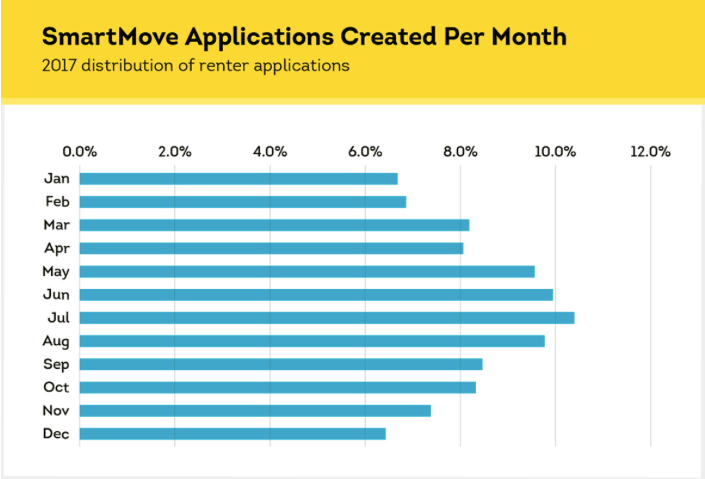










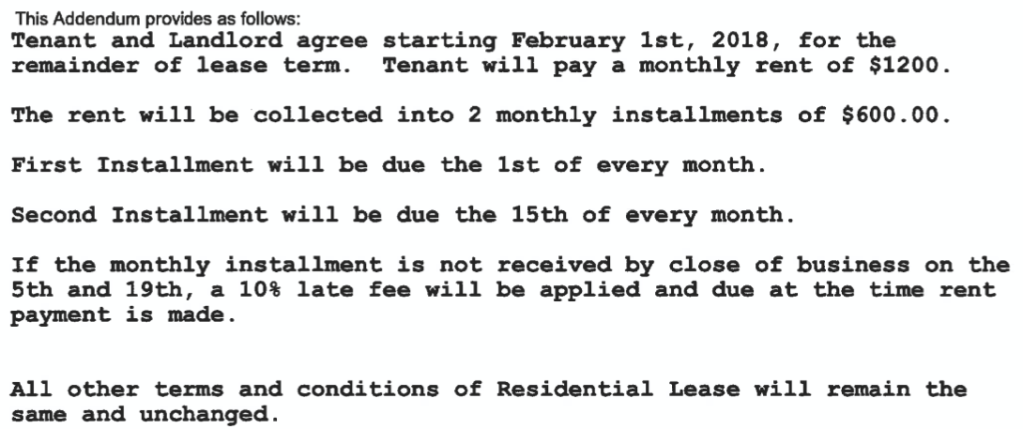

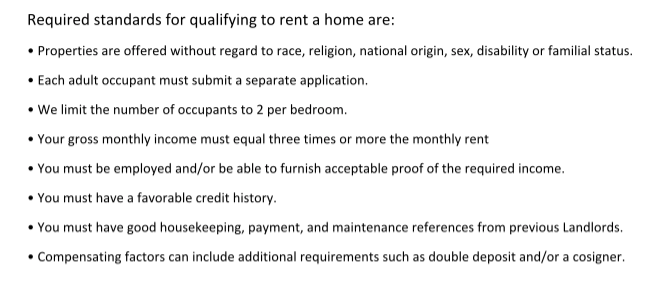

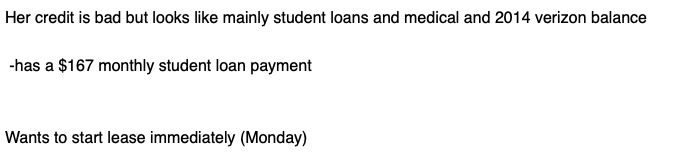

 One Dollar Allowance