We took a week-long vacation the first week of August. I haven’t taken an entire week trip in a very long time. The kids are young, and the daily activities of swimming at the pool and the beach were exhausting for them, but we had a great time. I had projected about $500 worth of food expenses for the week, but we only spent $250 (including a grocery shopping trip). Our daily schedule was dictated by children sleeping, so it was a lot of little meals or snacks at the condo rather than looking to take the time to sit down at a restaurant. It also helped that we paid about $3.45 for gas (which is still terrible, but it’s not $4.30!), so our gas costs for the 11-12 hour trip each way was $190. Our lodging costs were significantly more than we’d typically spend, so the reduced costs in other areas was welcomed.
We’re still working on the new house and haven’t moved. That’s starting to weigh on me. We won’t see much progress this month based on our activity schedules, but hopefully we’ll knock nearly everything off the list next month. Our expenses were high in June and July for the house, but now it’s just a matter of finishing the projects that we already bought materials for, so hopefully expenses will be low the rest of this month. Our HELOC balance increased because we used it to pay for our concrete replacement at the new house (tear out driveway, garbage pad, walkway and stoop to the house, and 3 sidewalk squares; then replace everything in kind except widen the driveway).
RENTAL PROPERTIES
We offered our tenant that has paid rent late 71% of the months we’ve owned the house a new option, and they accepted. They had been paying rent around the 15th and then the last Friday of every month. After several months of this, I spoke up that it was unacceptable. They started paying the first half by the 5th, but the second half was still coming the last week of the month. That means every month, they’re paying $1450 in rent and $145 in late fee. We offered them the ability to pay half at the beginning of the month and half by the 15th. Each payment has a 5 day grace period, and then the late fee is tied only to the payment not made. However, since this is an inconvenience to us, the rent increased to $1500. They could be saving $95 per month if they pay both payments on time. However, they could also be paying as much as $1650 per month now if they pay each payment late.
We got one house turned over and rented last month, and rent was paid timely this month. We also received credits from our KY property manager for costs they overcharged us on.
NET WORTH
We continue to hold high balances on credit cards because of 0% interest incentives. As I mentioned, you don’t typically see a personal mortgage line increase, but we drew almost $9k out of the HELOC to pay for concrete replacement at our new house. Our investments have increased in value over the last month, offsetting the additional draw on the HELOC and higher-than-average credit card balances, helping increase our net worth.
Unlike the other property we turned over this year, we knew this one was coming. The tenant living at this house moved in back in 2017. A few years ago, there was a domestic violence incident that led to a restraining order against one tenant from the other. Legally, we had to let the one tenant out of the lease. At the time, we didn’t have an immediate reason to release the second tenant from the lease, so we offered her a new lease in just her name. That was our downfall.
Since January 1, 2020, she paid rent on time in only 3 instances. I can think of only one instance where she told us up front that rent would be late. Every single month, I was stuck chasing her down. She’d say she would pay on the 17th, and then on the 18th, I’m asking where rent is again with another lie coming my way. She had quite the array of excuses. They were always elaborate. After getting stuck in Costa Rica for half a month in September because of a positive c-19 test, she didn’t even bother letting us know when she was back in the states or when we’d see rent. She applied for rent assistance. They paid 3 months of her rent for her (which was of course was significantly late from the state), and yet the month she had to pay, she still couldn’t.
Her lease was expiring June 30th this year. We provided her notice that we would not be continuing the lease and she was to vacate by 5 pm on the 30th and no later. Since we live 500 miles away, and I don’t trust her one bit, I hired my property manager that we use on other properties to take this one over. I wanted her to be the one to check that the tenant turns over keys and has the house empty before I drove 8 hours out there to find out the tenant is squatting.
THE LAST DAY
Sure enough, the tenant had a few more games to play. At 3 pm on the last day, she texted my property manager that she needed a bit more time, and asked if they could meet at 5:30 instead of 5. At 5:15, my property manager texted her saying she hit unexpected traffic, so she wouldn’t be there until about 5:35. My property manager pulled up to no people at the house, but there was at least one dog (not on the lease). The tenant didn’t show up until 6:50 pm.
My property manager means well, but she always seems to be advocating for the tenant while I’m the one paying her for services. The tenant asked if she could stay for a little while longer and remove the rest of her stuff. Well, based on the pictures, this wasn’t a “one more load” type situation; there were hours and hours of removing clothes and crap. All her furniture was out, but there was still garbage, dog feces, clothes, and some decor items left behind. My property manager was trying to say that she should be allowed to stay to remove her things and then she’d lock up on her way out. Nope. She absolutely didn’t have a place to stay that night, and it wasn’t my responsibility to keep catering to her. There was nothing that showed me allowing her access any longer was going to leave me in a position that was any different than I was currently in (meaning, hiring a junk removal company and having to pay someone for extra cleaning services).
Burned counter top
All of the cabinets still had things in them.
Just one of the rooms
Carpet eaten and ripped through the pad and to the subfloor.
Just part of the post destruction.
Oh, let’s not forget that she didn’t pay a dime of June rent. She claimed it was to be able to secure another place to live. However, she left her mail as garbage laying in the living room where we found she had been rejected due to her record. Sometimes I wish I could say, “we were giving you a chance; perhaps you should have paid your rent and communicated issues timely so you still had a place to live.”
I stuck to my guns and said get the keys. My husband was more compassionate and said that she could come back over the weekend to get her stuff while someone was there working on the house and supervising her actions.
TURNOVER WEEKEND
Her last day was a Thursday. She couldn’t come back on Friday because she was working the whole day. She said she’d be there first thing Saturday morning. At 9:20 am, nothing. She said she couldn’t get her trailer until 10:30 or something like that. At lunch time, still nothing. When questioned on her whereabouts, she made a list of things that she wanted us to put outside for her so she could grab on her own time. HAHAHA. She showed up at 1:10 claiming her dad was right behind her. Mr. ODA let her in the house, she grabbed a handful of things, and then left. That’s the last we’ve communicated with her.
TURNOVER ACTIONS
Mr. ODA and his dad went to Virginia to handle the turnover. I was going to go by myself, but being pregnant and alone inched out over my desire to make sure things were handled correctly. They arrived Friday evening and left Sunday evening. I was quite impressed with how much they got done.
All the stuff left behind had to be moved out of the way to get to work. Mr. ODA and his dad put it all in the living room so they could start painting. We paid a junk removal company $625 to get rid of her stuff and the old carpet.
The front porch post had been torn off the brick porch. Our untrained assessment seemed like someone had backed into the post. Mr. ODA was able to raise the porch roof back up to get the post back in place. He replaced the post tops and it looked good as new, surprisingly. There are still broken bricks, but that’s not a structural concern like the post itself was.
The entire interior of the house got a new coat of paint.
Mr. ODA had to replace missing and broken nuts in the bathroom faucet (how does this happen?!).
Blinds had to be replaced, as usual.
All the carpet had to be replaced. We didn’t have time to lay luxury vinyl planks (LVP) like we’d have preferred, so we settled on new carpet. While we were telling our handyman this, he said he’d lay the LVP for us, so we jumped on that. It’s more expensive up front, but we won’t have to do a full floor replacement in 3-5 years like we’d have to do with carpet or have to replace everything for a section damaged beyond repair. Mr. ODA and his dad pulled up the carpet, pad, and most tack strips.
We paid a cleaning company to clean the kitchen and bathrooms. She was supposedly there for 5 hours. That was $250.
We had to pay our handyman $100 to “paint” our countertops because there was a huge burn mark in the counter. They paired nicely in the multiple burn holes in the kitchen floor vinyl, which got covered by LVP.
We also had to pay someone $45 to mow the lawn. That seemed like an astronomical price, but we don’t have a lawn mower there, and it was easier to just let this guy do it when he asked.
After the new tenant moved in, they let us know the washer and dryer weren’t working. A diagnostic test of the washer seemed to say it wasn’t a user error and just coincidental timing, but then finding out that the dryer didn’t work right after that was interesting. The new tenant had their own washer in storage. We offered them the ability to buy their own dryer for $20 per month off the rent, which they accepted.
After we subtract out her security deposit, we’ll go to court for just under $10k worth of expenses. About $2,250 of that is unpaid late fees, so I don’t expect that to actually go anywhere once it gets to court. The first step is to send her a letter outlining all these details. Since the balance owed is so high, I preemptively offered a payment plan over 6 months. While $1650 per month is high for someone who couldn’t pay me $1150 each month, I don’t want to drag this out for a whole year. She’s not reliable, and I don’t want to be tracking and fighting her for a year to come. I also expect no response or resolution via this letter, and that we’ll have to go to court eventually anyway. Once it goes to court, she becomes responsible for court filing fees, and the judge will award interest on the balance, which adds up quickly.
SILVER LININGS
We bought the house with renters at $1050. We had worked on raising it $50 every two years (approximately), but rent was only at $1150. We recently refinanced the house, and the rental appraisal on it came in at $1600! If we don’t count that the tenant never actually paid June rent, we only dealt with a vacant house for 21 days and got it rented at $1,450. We probably could have pushed higher, but we were happy to get movement on it as soon as it was listed. To only be vacant for 21 days with the extensive damage and work to get it turned over is impressive to me.
While it was $6,000, the whole house got new flooring. Instead of trying to patch the vinyl in the kitchen and get new carpet installed for it to only last a few years, we were able to get LVP throughout the house. LVP will last much longer, and if there are damaged boards, they can be replaced individually instead of having to replace rooms and rooms worth of carpet.
CONCLUSION
This could be a horror story. However, we have 13 houses that help float expenses on the one or two where someone doesn’t pay rent timely or we have higher expenses. While we had to manage her month-to-month to track down rent, she did eventually pay all but that last month. In the end, for it to be a few things to address and it to take less than 21 days is great. This doesn’t go down as a reason to not hold rentals!
We ramped up our travel this month, which has actually led to us canceling a few trips that were planned for this next month. I went to visit my family for my sister’s baby shower, we went on a family trip for a long weekend, and then Mr. ODA was gone all week for work. We’ve done a few local activities, but several of our plans have been cancelled or postponed due to the current gas prices, which are about $4.75. Even Sam’s Club and Costco, which were holding strong in the low 4s, are both at $4.69 right now.
We’re working towards closing on a new house next Wednesday, so that’s been the stressor right now. We had a month and a half for closing, which is literally the longest we’ve ever had, and then yesterday I got asked for tax information. Seriously, what have you been doing for the last month since I signed off on the initial disclosures? We went with an online bank, so that’s been an extra factor in uncertainty through this process.
RENTALS
I served a notice of non-renewal to one of my tenants. Her lease ends on 6/30, and we want her out. It’s the first time in 6 years that we’re so fed up with a tenant that we actually said it’s time to leave. We’ve had issues with tenants in the past, but we’ve just increased their rent as a means of giving them the option to leave, or compensating us for our frustrations associated with them living there. She, of course, didn’t pay rent by the 5th. When I asked her where rent was, along with the balance of outstanding late fees and the current late fee, she said she was trying to secure a place to live, so she wouldn’t be able to “pay towards that” until the 17th. Pay your rent timely OR communicate a need for more time without the landlord having to hunt you down. That will keep a roof over your head so you don’t have to move when you don’t want to, and it’ll also put you in a position where your current landlord can actually provide a referral at a new place.
My other usual suspect, who I told needed to start getting their act together and pay rent before the last Friday of every month, paid half of rent on the 3rd and sent an email saying we won’t get the rest until the last Friday of the month. Progress, I guess.
We had a massive issue with our property manager in Kentucky. The accountant felt he had a little too much power and ran with it. Mr. ODA went to meet with them, where the accountant had to admit his mistake in charging us $900 in front of the owner. As a means of making amends, the owner credited us the management fee they took out of our security deposit. While I understand their thought process that our contract says “10% of income,” and a security deposit gets counted as income for tax purposes, I disagree with them taking a commission out of it. If that’s the case, our security deposits under them should be 10% higher than a month’s worth of rent. A security deposit’s purpose is to reimburse us for our costs to fix a unit that has been unreasonable mangled by a tenant before their departure. In this case, we have $4000 worth of costs. The security deposit was $895. Them taking $89.50 was insult to injury in this case, especially after they took 18 days before taking any action to confirm the place was abandoned. Moving on.
That house that was abandoned ended up getting rented for June 1st. We’re netting about $250 more per month with the higher rent there.
One of our mortgages was going to be paid off in May, which I mentioned last month. I scrambled to find out how to pay the taxes, which wasn’t easy (it’s a different jurisdiction than most of our houses… being in the county instead of the city). I finally got that figured out and paid the taxes at the beginning of the month.
PERSONAL FINANCES
This month we actually had a few “receivables” to expect. We learned that our lender wasn’t requiring an appraisal (we don’t get it), so they were going to refund us the appraisal fee of $525. We had a major issue with Home Depot and getting an appliance delivered, which ended with us going to the store, buying the appliance, putting it in our car, and driving it to the rental. We had to wait for the terrible delivery company to “scan” the not-delivered appliance back into their warehouse, and then we got $600 back. When I registered my kids for preschool, the system glitched and charged an extra $100, so we got that back. I had already registered my oldest at the same school as this year before we learned we’d be moving, and they were kind enough to return my registration fees, so that was $300.
All that to say, stay on top of your finances. Know what you owe so that you know when you’re overcharged. When someone says you’re owed a refund, pay attention that you receive it; we had to follow up on the refund, and it turned out she hadn’t processed it. Don’t be afraid to ask if there’s an option for a refund in some cases. Just those transactions are $1525 worth of money back in our pockets in a month’s time.
SUMMARY
We have work on a rental that’s still outstanding. I don’t expect her to actually be out on June 30th at 5 pm like she’s been instructed. I have our property manager handling the move out (even though she doesn’t manage that property). This way, if she’s not out on the 30th, I haven’t driven 8 hours to find out I can’t do any work on the property.
We plan on doing a lot of work on our new house after close next week. That’ll take up a lot of our free time over the next few months.
The stock market has somewhat rebounded. It’s not back to levels it was once at, but it’s nice to see balances go up instead of down. Our credit cards are down significantly because I am purposely keeping a low balance right before we close on a house (down by paying it off, not down by not spending…). Our funds for closing are coming from our HELOC, so it hasn’t been a stressor to keep a cash balance to go towards our cash-to-close.
Building off of my last post about tenant abandonment, here’s what it took to turn over that unit. We rarely have units to turn over in our portfolio. Last year we had 1. This year we expected to have 1, but this abandonment made it 2. To have continued renewals over 13 properties is a blessing.
Usually, we need to clean and paint. Every once in a while, we have more work to do, but it’s rarely a massive undertaking. This one was a massive undertaking.
Our property manager walked through the house and saw that junk was left behind and it was filthy. There should be another word worse than filthy. I’m always surprised at how much damage someone can do to a place they have to eat and sleep in for two years.
This is a 3-story townhouse. The entry level is the garage and a den-type room; then there is a flight of stairs to the main living area of a kitchen, dining area, powder room, and living room; finally, there’s a flight of stairs to two nearly-identical bedrooms, each with their own bathroom. The two masters concept and a garage are benefits, but the two flights of stairs is a downside.
TURNOVER ACTIONS
The property manager had her maintenance staff remove everything left behind. I thought she was going to hire something like Junk Luggers, so I was pleased to see that this cost us less by her using in-house staff. They wiped down the baseboards, but didn’t clean. I was under the impression that it was going to be cleaned before I got there. I was also under the impression that the carpets were going to be cleaned on the 25th.
I was working weekends at the time, so I couldn’t get to the house until the 27th. I didn’t find the need to rush down there because I thought my property manager had action happening. Plus, I’m pregnant, so I didn’t want to be in someone else’s filth for extended periods of time, and I expected it cleaned up before I was scooting along the floors and in tight spaces. Well, I walked in and was so upset. The carpet was disgusting. It looked like someone made lines in the carpet with the steamer tool, but didn’t actually clean anything. Not a single thing was actually cleaned. The kitchen and bathrooms were horrendous. I’ll spare you pictures of what the bathrooms looked like. You can see “steamer” lines in the carpet, as someone had been there, but there was zero effort put into actually cleaning the stains.
I called the property manager, and she agreed to come meet me at the house. She agreed that the carpet cleaning was unacceptable, and I wouldn’t be charged for that. She explained that her guy didn’t have time to clean the place except for wiping baseboards, and they had decided to clean it once at the end. I said that would be fine if the house wasn’t this bad, but there should have been an initial cleaning. She showed me pictures, and even though the baseboards were gross, they had actually been wiped down because they had been even worse.
The property manager called her typically cleaner, and he agreed to get there the next morning. I showed up the next morning to find he was still there working. He said the house was in much worse condition than he was told, and they’d have to leave to go to another job and come back to this house. I wasn’t surprised, but I was very happy to see that everything was cleaned, and that I wasn’t completed grossed out by being there.
DECISION MAKING FOR TURNOVER WORK
There are costs that you just have to deal with in the turnover – junk removal, cleaning, carpet cleaning. Then there are costs that you don’t expect to be on your radar, but are necessary – replace broken floor vents, replace missing outlet covers. Then there are decisions that require more thought. For instance, we haven’t enjoyed this property in our portfolio, and we’re considering selling it. We’d like to recoup some of the costs we’re having to put into it now, but selling it is on our radar for the future. So do we want to clean the carpet, or start replacing the carpet with hard surface flooring to increase our property value for a future sale?
We recently received an updated assessment for our taxes on this property. I happened to look up their comps given. We bought this house for $86k. I noticed that the houses with no updates to it were selling around $110k, while houses with nicer flooring and fixtures were selling up to $130k. My goal was to start preparing for a sale in the future, and we’d have a few steps done instead of having to redo the entire house in a year or so.
The biggest actions I took while looking into the future were: 1) I painted the main floor baseboards white. The baseboards, walls, trim, and doors were originally all painted the same color – an off-white or beige. Over time, we kept the trend going because it made it easier and quicker to turn over the house. While I didn’t paint all the baseboards white, I did it in the main living area and in the stairwells. I painted the interior doors of the main living area (main entry door at the top of the stairs, the laundry room door, and the powder room door) and all their trim white. 2) Repaint all the main walls. At the last turnover, Mr. ODA went into the house and touched up the walls. The paint had gone bad, so the touch ups were very noticeable. I painted everything except one bathroom, half the laundry room, the powder room, and the two bedroom closets. Every other wall surface (including two stairwells…gosh) got painted a gray. 3) We did get a carpet cleaning company to come out and rotovac, which is an incredible process that brings a carpet in rough condition almost completely back to new. It’s truly impressive. They also charged us $159 for this more intense process, while the original company that just made lines in the carpet was going to charge $244 for nothing. 4) Instead of cleaning the main living area carpet, I wanted to replace it with hard surface flooring. We’ve had this house, with the same carpet, since 2016. That’s 6 years of carpeting that has been beat up (understatement) by 3 different tenants. The carpet could even be older than that because it’s what we inherited when we purchased the property. I explained in a recent post all the reasons why we laid LVP and how we accomplished it ourselves.
COSTS OF TURNOVER
I had to supply my property manager with specific costs associated with the work I did, so here’s that, along with the charges they had on our account. Not all of this gets billed to the tenant. For example, the dishwasher and refrigerator were at its useful life and needed replacement, due to no fault of the tenant’s.
While it was hard to get started, seeing the mountain in front of me when I first walked into this house, I do appreciate having done most of the work myself. We spent over 28 hours at the house. I did about half of that by myself. Mr. ODA and his dad helped get some progress on the painting one day, and then Mr. ODA and I worked together on the flooring.
We also have the months of lost rent that were unexpected. With notice, we could have listed and shown the house before the current tenant vacated. We were caught on our heels, and we lost 2 full months of rent. Unfortunately, we truly lost 18 days of progress in those 2 months because our property manager didn’t enter the house to confirm abandonment timely.
LIGHT AT THE END OF THE TUNNEL
We ended up listing the house on May 6th. They had several showings, but the layout is hard to get rented. One couple submitted an application on a Thursday. When our property manager reached out to them, they never responded. Our property manager had pushed to list the house at $1250. Once that couple ghosted us, I told her to lower it to $1200. Just as I was about to give up and have it lowered, she was able to get another application and a signed lease. Luckily, being that it was May 25th, these people wanted a June 1st rental. We increased our rent by $275/month and only lost 2 months of rent, which is mostly made up by the drastic increase in rental income.
Another silver lining is that we paid off this property’s mortgage multiple years ago. Therefore, we didn’t have the extra “bleeding” of money by having to make two mortgage payments without having the cashflow to offset it.
We don’t expect to see a dime from the old tenant of what we spent to turnover the unit. We didn’t have any issues with him while he lived there, and his abandonment and lack of communication was surprising. Someone who leaves like that, and leaves the house in such poor condition, isn’t going to put forth effort to pay a $3k bill he receives in the mail. It’s in the hands of our property manager at this point and will likely move to collections. We’re just happy to have new renters in the unit and have this one behind us.
When looking to rent your house, you should do your due diligence. Our concerns are whether a person has a history of late payments, collections accounts, and if they have a criminal history.
We do two steps of initial screenings before asking a tenant to pay an application fee. The first two steps given them the opportunity to disclose anything that may be seen as unfavorable or not meet our rental criteria. This way, once they pay the application fee, it’s a verification step, and they’re not wasting any money for me to find out that I’m going to decline them.
Here are the details of how I go through the evaluation process, and specifically how I just did it for our new rental.
RENTING CRITERIA
First, I send everyone interested an “Interest Form.” We ask for their legal name, contact information, credit score, employment data, number of occupants, whether they smoke, if they have pets, if they’ve been evicted, and if they’ve been convicted of a felony. I also ask them to provide any other information they think I should know that may affect their ability to rent the house. I send this form to everyone who expresses interest, and it’s the first step before scheduling a showing. I request the data before scheduling a showing because I don’t want to waste my time or theirs showing the house, when they had adverse responses to our criteria. This was more important when I was scheduling individual showings, but I now conduct an “open house.” I set aside two hours to be at the house and ask they come during that time. If that doesn’t yield a tenant, then I’ll evaluate who couldn’t make it and field new requests to see it to determine if I’ll show it individually or host another open house.
We have this at the top of our Interest Form.
Properties are offered without regard to race, religion, national origin, sex, disability or familial status.
Required standards for qualifying to rent a home are: • Each prospective applicant aged 18 or older must submit a separate application. • We limit the number of occupants to 2 per bedroom. • Your combined gross monthly income must be at least $4,000. • You must be employed and/or be able to furnish acceptable proof of the required income. • You must have a favorable credit history. • You must have good housekeeping, payment, and maintenance references from previous Landlords.
Compensating factors can include additional requirements such as double deposit and/or a cosigner.
Our typical rental actually requires 3x the rent as the monthly income, but since our last house was more expensive, we put the requirement as a dollar amount threshold instead.
Then I would historically review those who say they’re interested and pick the one that appears to be most qualified. I’d send them a “pre-application” form to fill out. However, for our last tenant search, I asked everyone interested to fill out the “pre-application.” The tenant screening system doesn’t tell me their last landlord information or their employer, which are both necessary for making phone calls and checking their information given. The “pre-application” repeats some of the questions on the Interest Form, but the pre-application requires them to sign the form as an “affidavit” that the information is accurate.
If they tell me that they’re going to have a low credit score, it helps me to know the reasons for it up front. Additionally, by letting me know any issues up front, it saves them money. If they self-report that they have several collections accounts, then it could be cause for me to move on to a different person interested. If they don’t tell me that they have some issues in their history that may be unfavorable, and I send them the application, then they’re spending $40 per person only to potentially not get the house. I prefer to use the online tenant screening as a final verification step than an initial screening and potentially waste someone’s money.
One time I got through all these steps, had 3 different people submit an application for a house, and the report came back with an eviction. We asked why they didn’t disclose that to us originally. They told us a story about how they were asked to leave somewhere, but they didn’t know that it was reported as an eviction. We told them that they were disqualified. We went with our “runner up,” and they’ve been in the house almost 3 years without any issue or late payment.
We also had two people submit an application and then a bankruptcy was reported on the credit report (it was before the pre-application step I implemented). She said she didn’t see a place to explain a bankruptcy, so she didn’t think to mention it. For future reference, if I ask for your credit score and you have anything concerning in that credit report, it’s helpful to be upfront about it. In that case, everything else was fine and her explanation for the bankruptcy was clear and thorough. We gave them a chance, and they were amazing. She was rebuilding her life after taking on a lot of new bills after a divorce, juggling single-income life, and it was a way to consolidate the debt.
DECIDING BETWEEN TENANTS
In this last situation, I had several people express interest in the property.
I held the open house, and I asked everyone to let me know by noon the following day if they were interested in pursing an application after seeing the property. I received 6 or 7 people who were interested in the house.
I don’t look at one factor. I weigh all the information given to me in my head. In a perfect system, I may assign a weight to each data point, but that’s more effort. I’m reviewing the data and trying to see who has the best, well-rounded criteria.
The house is big (2100 sf with 4 bedrooms), and rent is higher than anything we’ve ever managed. I looked at what they are currently paying in rent. If they’re currently paying $1500 per month, then that made me more confident that they’d cover the $1750; if they are currently paying $400 per month, then I was concerned that they weren’t prepared to cover such a large expense difference. Along those lines, I also gave more credit to someone who has a stable job that they’ve been at for more than a year, versus a few people who said “I’m starting a new job at the end of April.” We have a tenant that goes through jobs every 1-3 months and is always a pain with rent, so I’m probably more scarred by job history now.
I gave more credence to those who had at least a 600 credit score, but I didn’t rule out anyone with a credit score less than that. One woman did have a lower credit score, but she had other good information, so I didn’t rule her out.
Finally, the determining factor came down to availability. My top two contenders had different desired move dates. One said early April, and another said June 1st, but May 1st may be ok. When I asked her to explain about her move date, I received a detailed story that didn’t have any conclusion on when she was available. Since this is a business, and I had a qualified group interested in the house sooner than others, they were the ones selected. If I didn’t have someone qualified for an April move in, then I would have waited for a May 1st rental instead of lowering my standards.
Luckily, I had enough interest in the property that I could select someone who was well qualified and get it rented sooner than later.
APPLICANT SCREENING
Once I’ve given someone these two opportunities to disclose unfavorable information in their credit or criminal history, and they’ve provided favorable responses that meet our criteria, I send the link for the application. The potential renter enters their data into the system, which helps keep their information secure (e.g., I don’t have their social security number) and helps eliminate any typographical errors that I may make transferring the information into the website instead of them entering the data they already know. Additionally, the tenant pays the fee (currently $40) directly to the website, which helps them understand that once the report is run and the fee is paid, it was for a service so it’s not refundable. I heard multiple stories this past week where people paid “application fees,” but were later told that they weren’t the first to respond. That’s not fair. I don’t need to know everyone’s detailed reports and cost people money if they aren’t going to get the property. So here’s how I handle the tenant screening process.
The system generates a report for me to see that includes their credit history, criminal history, eviction history, and income verification. – The credit history shows any missed or late payments; collections accounts; bankruptcies filed with the chapter, date filed, and amount settled; and their score. I’m more concerned about late or missing payments than anything else there. The collections accounts are typically related to medical bills, but if they’re for general credit cards or an enormous car loan, I’d find it more concerning. I’ve also not ruled someone out simply because they’ve filed bankruptcy; two of our tenants actually have a bankruptcy in their report. – The criminal history tells me if they’ve had any judgements against them. I’ve seen traffic violations, misdemeanors, and felonies. The report also tells me if they’ve been listed on any sex offender registry. If they have felonies, multiple misdemeanors, or are on a sex offender registry, it’s automatic disqualification. I’ve gone down the road of giving people chances, and it hasn’t gone well. This report isn’t fool-proof either. I know how to use the court record system where we have most of our houses, and I now look them up in all the nearby jurisdictions to be sure there’s nothing reported. – The eviction report will tell me if they’ve been formally evicted. This doesn’t capture any times where a tenant and landlord agreed on the tenant’s departure outside of the court system. This also may miss some jurisdiction evictions. We had someone show up in a separate jurisdiction when I went looking for their information in the surrounding areas, but it didn’t show up on the report. Don’t think that this report is fool-proof. – The income verification comes with a built-in caveat. I don’t know the details on how the report is run, but the result is something along the lines of “we believe that the self-reported income is near accurate.”
The report suggests whether to accept or decline the applicants. I suggest reviewing the data and making a decision for yourself. Some reasons why the recommendation will be to decline include: criminal history, bankruptcy, and low credit score.
We have given several people “chances” that don’t perfectly meet our criteria. Below is a screenshot where the recommendation was to decline. However, we ended up asking for more information and giving them a chance. They ended up spending a year in a rental of ours, moving out of the area, and then asking for our rental availability when they came back to town. They always paid on time, hardly asked for anything, and took great care of the house.
We have also accepted tenants that had some concerns in their report, but the system recommended we accept them. We tried to overlook the issues, but we’ve ended up regretting it. We have one tenant who has a criminal history (forgery) and we ended up having to release her roommate from the lease because of a domestic violence and restraining order issue. She’s also consistently late on making rent payments and doesn’t keep communication lines open. We plan to ask her to leave at the end of this lease term. We also had a tenant with a 480 credit score who wrote us a letter about her low credit and asked for a chance. She ended up consistently paying late (she always paid, but it was always a fight); we threatened eviction when it got to a breaking point where she was combative, but she left on her own terms. That’s a good example where she was a terrible tenant, who we gave multiple opportunities and even restructured her rent, but her eviction report won’t say anything to that effect.
DEPOSIT
Once I have an approved application, I request a deposit to hold the property and remove the listing. Typically, the lease signing doesn’t occur immediately. In those cases, I want protection of my cash flow that I’m holding the property for someone specifically. I’ve had a couple of houses that have signed a lease immediately, but typically there’s a lag between “acceptance” and the lease being signed (forming a contract).
In this last instance, the tenant was accepted on Friday, but the lease wasn’t going to be signed until the following Thursday. I requested a $400 deposit, which will be applied to their balance owed to get the keys transferred to them. I originally was going to request $500, but I realized that the week’s worth of time at the rent per diem rate came to $408. If they back out between now and Thursday, then I haven’t lost income if I had chosen someone else and not held the property until the date they wanted a lease. Ironically, they ended up paying a deposit of $500. For them to obtain the keys, they owe a security deposit ($1750), the first month’s pro rated rent (about $1300), and a pet fee of $500. Their total is $3,550, but the $500 I’ve already collected is applied to that balance. Therefore, on Thursday, they’ll owe me $3,050 for me to hand them the keys.
Usually, I require the first month of rent to be the full amount, and then the proration is applied to month 2. Since for this tenant, they already paid rent at their current address for the month of April, and the rent here is higher than our average, I went ahead and prorated the first month so they didn’t have to put so much cash out of pocket in a short period of time.
SUMMARY
You can see how I am not making black-and-white decisions. I’m not hanging my hat on one or two factors. I’m being reasonable in my decisions and understanding that there’s a person, and maybe a family, on the other end of this transaction.
Be fair. Utilize a variety of factors in making your eligibility determination. Keep your communication lines open with potential renters until you have a deposit and/or lease signed on the property.
Treat this as a business and make informed, logical decisions instead of emotional ones, but be reasonable.
We have been surprisingly busy around here. I’ve been juggling a few rental issues, staying on top of some billing issues, and trying to make it through a commercial loan process.
At one point, most of our loans were held by one company. That was a more simple life. Even though we’re down to 6 mortgages under our name, it’s through 5 different companies. I’m really struggling keeping up with them and getting in a groove after our most recent refinance. I’ve mis-paid things 3 times now. I’m always on top of our payments, but something just isn’t clicking right now for me. I just paid one of our mortgages due April 1 instead of changing the date to be an April pay date. At the moment, we have a buffer in our account because we’re getting to this closing next week, but we usually don’t, so hopefully I have this figured out now that I’ve made so many mistakes.
RENTAL PROPERTIES
LEASE RENEWALS
We had 3 properties process their renewals this past month. Each of them had cost increases to their lease renewal (875 to 950 effective 5/1, 850 to 900 effective 8/1, and 1025 to 1100 effective 5/1). We have another property that will have a renewal offer go out this week. Then we have 3 that will need action by the end of April because the leases expire 6/30, and one that will need action by the end of May because it expires 7/31.
MAINTENANCE
We had a tenant reach out to us that they found bugs in their bathroom tub. She sent pictures and, sure enough, they were termite swarmers. I have way too much experience with termites. I called our pest company, and they sent someone out for an inspection to confirm they were termites. Then I got a call that because we didn’t pay the annual fee to keep our warranty current for the last 3 years (we had the house treated for termites in February 2019 when we bought it because there were active termites and extensive damage by the front door that needed repaired), they could charge us $650 again. However, since we’re considered a business account, she’d be happy to let us back pay the termite warranty and they’re treat it. So I paid $294 for the treatment instead (split with a partner on this house). She also informed me that they had cut off the hot water to the kitchen sink because there was a leak. I don’t know why tenants don’t tell us these things right away! I had my plumber out there the same day, and he replaced the whole faucet. That was $378. That’s one of those charges that’s frustrating because we could have replaced the faucet on our own, but we don’t live there anymore. Oh well; it’s also a cost split with our partner, so that helps.
We had another tenant reach out saying that her kitchen sink drained slowly. She’s been with us since we bought the house and never asks for anything. She’s on top of communication and was super appreciative each time we agreed to renew her lease. We had done a huge sewer line replacement project at this house, so I was skeptical of the issue. It turns out there was a plastic fork lodged down there, but I just let it go (meaning, she’s then technically responsible for the cost). Our property manager let her know that if it happens again, she’s financially responsible, but we’ll cover the cost ($200) this time.
RENT COLLECTION
We FINALLY got the check for one of our tenants that had an approved rent relief application. They submitted an application in November to cover December, January, and February rent. By mid-December, they ended up paying December rent because they hadn’t heard (and the application expires, meaning their protection from eviction expires (not that I would have pursued eviction for this group because they’ve been great tenants for several years)). They received approval for 3 months worth of rent and 2 late fees on January 11. We received the check on March 4th. So frustrating in that process, but still better than an October approval and us getting those 3 months paid at the end of January.
We had our usual suspects not pay rent. On the one house, they didn’t tell us they weren’t paying rent for the longest time. Now, they tell us they’ll pay us on a later date. I let it go this month, but with them paying on the 23rd, that means we’re in a perpetual cycle of not getting rent on the 1st. We have a partner on this house, so I plan to address it next month if they claim another 3+ week delay in getting us the rent. On the other house, she let us know in February that she’d struggle to pay rent and she gave us random amounts throughout the month. I let her know she was still $106 short from February and that she was now in default of March’s rent, and I got no response. Then Mr. ODA had $1000 show up in his account on Friday. She still owes $371 between the two months, but at least we have the mortgage payments covered. She’s also the tenant that we plan on not renewing her lease because she’s caused issues throughout her tenure.
BUYING A NEW PROPERTY
We’re still in the process of getting through closing on a new rental property. We’re expecting to close not he 24th, so we’ll see how that goes. It’s a commercial loan, and it operates different from residential mortgage underwriting, so we’re in the dark. Communication has been next-to-nothing. We’re currently waiting on the appraisal to come back. That was our one hurdle to getting into the house. I said once the appraisal clears, then we (as the buyer) shouldn’t have any risk in getting to closing. Therefore, we were hoping to have the house painted before we close (I would do the painting), then we could refinish the floor and get the rest of the cleaning done the weekend after closing, and get it listed for rent for April 1. I suppose I wouldn’t be trying to get to the house before Friday, so I guess I can be patient and wait to see what happens with the appraisal for a few more days (even though the appraiser was on site last Tuesday, and I’ve never had it take more than a day or two to get the paperwork).
REFINANCE FOLLOW UP, STILL
We still have an issue with the mortgage that I ended up paying 3 times for the 2/1 due date. Our refinance was difficult, and the communication continued to be difficult after closing. I asked on 2/1 whether our loans had been sold yet because I was surprised I hadn’t heard. Usually, I see a note saying to pay the new company before the first payment, thereby not paying the first payment to that “first payment notice” place that comes with the closing documents. The company’s contact said to keep paying them because they hadn’t sold the loans yet. I didn’t open the attachments in his email because I assumed he was reiterating what he said in the email. Turns out, one of the loans was already sold, and I should have paid the new company. Well, I processed a paper check to go to a completely different company (started with a C, and I didn’t catch that I selected the wrong one in bill pay). Luckily, that company sent us our check back, saying they think our loan is closed with them and they can’t process the payment (thank goodness we once had a loan with the address I put in the memo line so they could clearly make a connection and say “we don’t want this!”). When I noticed my mistake on the 14th, I sent a handwritten check that I rushed to the post office at 4:55 to get post marked. In the meantime, I found out that I was able to set up an online account with the new company even though I didn’t have the loan number yet (they gave it to me over the phone). I paid the new company online to make sure I didn’t have anything on my record claiming I didn’t pay by the 15th and it was late. I figured I’d rather manage 3 payments being made than fight the credit companies to change my credit report. Well, the initial company cashed my handwritten check, but they still haven’t sent the money to the new mortgage company. They just kept telling me they have 60 days to get it to them, and I said that’s unacceptable that they’re holding my money. That was a week ago that I was told I’d get a call back, and I haven’t heard from them.
PERSONAL EXPENSES
Now that the basement is done, I had a strong urge to finish projects. There were several things that were starting but not completed. Those final punch list items always seem to take forever. I was impressed that Mr. ODA pushed to get some of the things in the basement done right away, even though they weren’t on a critical path. However, I didn’t uphold my end of the project by painting those things, so I got back to that. I mentioned several of the projects in a recent post, and I’ve done a whole lot more since that post. But all that to say, I’ve spent a lot of money in the last month. I bought a lot of supplies to finish off these open projects. I also had big purchases of cabinet hardware, a dining room table, a desk, and a wood. We haven’t done very much out of the house, so we don’t have a lot of other expenses than these projects, which means our credit cards are actually have the usual balances. We did book an AirBnB for a trip at the end of the summer with friends of ours. That was a big hit on the credit card for a week at the beach, but they reimbursed us for their half.
SUMMARY
It feels like I just keep lowering the balance in our investment accounts each month, but I went to look at February 2021 to see the total. Even though some balances have decreased, we’ve still contributed to the accounts, so overall they’re $21k higher than last year, which is encouraging. I guess I should also focus on the property values raising significantly. We’re over $500k higher than last year in our assets, and our liabilities (i.e., mortgages) are about 13k less than February 2021. We’re also still over $3M on net worth, even if we’re hovering right around that. We’ll add about $50k to our net worth by the end of the month, as long as we close on the new property on time.
Just over a year ago, I decided it was time to put more effort into sharing what we’ve been through. When I’m looking to learn something new, I like to find examples of how other people handle it. I want to know the places they struggled and how they learned. I find it a better way to form my opinion than by reading an article that doesn’t have any meat in it, only providing an outline.
In the last year, I learned that blogging wasn’t as easy to keep up with as I thought it would be. I have a list of topics still to cover, so it wasn’t a matter of content. But raising two kids hinders my ability for an uninterrupted thought process to write an article, unless I get to it before they wake up.
The blog was started by Mr. ODA in 2018. He wrote a few posts, and then it sat for two years. I decided to pick it back up in January 2021. During 2021, we published 65 posts. Each month, I wrote a post about our financial update; I included any major expenses, how management of rental properties was going, and how our personal spending may have changed month-to-month. I shared our purchase of 11 out of 13 of our properties, our sale of one property, refinancing mortgages, paying off mortgages, renting properties, maintaining properties, etc. I also shared just general life decision making along the way.
Part 1 for my year in review will address what happened with our rental properties. I’ll dive into our personal finances in Part 2.
As a quick recap, we have 12 rental properties. Nine of them are in Virginia, and three of them are in Kentucky. Two of the houses in Virginia are owned with a partner because we still had cash available to buy more houses, but at the time we had the maximum number of mortgages allowed by Fannie/Freddie (max is 10). The houses were purchased between February 2016 and September 2019. All 3 houses in Kentucky are managed by a property manager, who gets 10% of the monthly rent each month. I manage 5 of the Virginia houses personally, and then we have a property manager who manages the remaining 4, who also gets 10% for each house.
RENTAL PROPERTY MORTGAGES
In January 2021, we completed a refinance of one property, and then in December, we completed three cash-out refinances. The loan balances on these 4 properties increased; one increased because closing costs were rolled into the loan balance, and the other 3 included $190k worth of equity taken out from the houses and creating new loans.
We went from 11 mortgages (two of which are actually owned by a partner) down to 8. House 6 had a balance of $26,447 coming into 2021, and that was paid off by June. Two other houses had a total balance of $157,500 at the beginning of the year. Their balances dwindled through regular monthly payments and one lump sum payment right before we completed the cash-out-refis and completely paid them off.
We have been working on paying down another mortgage that is owned with a partner. Between the two of our families, we paid off about $44,000 additional principal for that mortgage. We’re matching each other’s additional principal payments so that the math is easier to follow, so we can only make additional payments in line with what he can do also. We each owe about $10k on this mortgage now.
Even though there were so many mortgage-related transactions in the year, our overall loan balance only decreased by $6,000.
The market has continued to rise due to the limited supply, and so our home values on the rentals actually increased over $500k over the last year.
RENTAL PROPERTY LEASES
We turned over 1 property the whole year! The tenant that was living there had already told us that they were renting until they found a place to buy, so we knew they wouldn’t be long term tenants. We had a relationship with them from a previous house, when they had moved out of the area and then back. They had a poor experience renting in another area and reached out to us since they appreciated us as landlords. They found a house towards the end of their first year, but we let them out of the lease early. Their lease was slated to end October 31, 2021. We don’t usually have leases that start/end in the Fall if we can help it, but we had let the previous tenant out of her lease early to purchase a house also. The tenant said she was able to be out at the end of August, and we preferred moving the lease closer to the summer months anyway.
We raised the rent on 6 properties. – The one house that was turned over went from $1200 to $1350 per month. However, we added a property manager who gets 10%, so our cash flow only increased by $15 per month. – Two of our properties have long term tenants; the rent is significantly below market value, but we value not having to turn over the house. These houses are on a cycle where we increase the rent $50 every two years. – Our KY property manager tried to increase rent on the 3 properties she manages. One was increased by $25, another by $5, and the other one cried that she couldn’t afford an increase. That’s the one where we plan to increase by $75 next month, and if she doesn’t accept, we’ll turn it over and get $75-$100 more per month. – We increased rent by $150/month for one of our properties that we have with a partner. It was a risk, but this is a house that claims 3 people live there, but they have 5 queen size beds in the house. We figured either they leave and we get several big things fixed up that have been deferred because of all their things in the way, or we make up for all the years that we didn’t manage their rent and didn’t increase it. They accepted the increase.
RENT COLLECTION
We were very grateful that we made it through those initial months of the pandemic without tenants not being able to pay rent. We had a few people let us know that they were laid off or unable to work (e.g., restaurant business), but we learned most of our tenants worked in the health care field. So while we made it through 2020 without many issues, 2021 brought more challenges. Nothing was insurmountable, and it wasn’t debilitating financially, but it was still something to manage.
We had some big struggles with non-payment of rent on one house. She was 31 days late paying August rent, then she didn’t pay September’s rent, and then she applied for rental assistance to cover September, October, and November, which we didn’t receive until February 2022. That was all on top of her generally being a week late in paying through the beginning of the year too. She doesn’t maintain employment, she doesn’t communicate, and we’ve just had something new and different pop up as an issue every few months. We eventually received January 2022’s rent, but we still haven’t received all of February’s rent – just in time for March rent to be due.
We have another property (the one that was raised $150 per month) that is perpetually late. They eventually pay, and they’re getting better about actually paying the late fee (when they pay rent 20+ days late…), but they were late for 10/12 months of the year.
Everyone else paid their rent on time. In general, we’re lenient with late fees and issues. If you reach out to us and mention that there was a hiccup and you’ll need one more pay check to pay rent, our response is typically: please pay what you can now, pay the rest next week, and don’t worry about the late fee. However, when you don’t communicate and/or you’re consistently weeks late and we’re having to carry the expenses, there needs to be a consequence to incentivize you getting back on track.
RENTAL EXPENSES
We replaced the flooring in House3 ($4,000), hot water heater in House9 ($1,500), HVAC in House10 ($3,300), washing machine in House10 ($250), and HVAC in House12 ($3,900). We also had various electrical and plumbing work that needed to be done in several houses. We also spend about $7k per year in property management fees.
Usually turn over is an area that requires us to put a lot of money into a house. Luckily, the one house that we turned over this year only required some paint work, and we didn’t have any other turnovers.
While it’s nice that our assessments have increased and our housing values have increased in our net worth calculation, it comes at a price. Our taxes have increased on all the properties. In total, they’ve increased over $2,500 in just the one year (meaning, that doesn’t include all the previous years worth of assessment increases that have occurred!).
GOALS
In this year, we hope to add one more rental property to our portfolio. We’ve been actively working on it, but this market is crazy! We’re not willing to overpay on a property and get into a bidding war just to be done with the search. It’s interesting to see that we haven’t bought a new rental property in almost 2.5 years, when we had purchased so many all at once. We had gone back and forth with saving for another down payment or just paying off more mortgages after we paid off House6 in June. Once the cash-out-refi was a possibility, we decided to go ahead with purchasing another property. We’ll self-manage whatever we acquire. We had been looking in Virginia and Kentucky, but have started to settle into a Kentucky property (I like the laws for tenant/landlord relationships better in Virginia) so that we can save the 10% management fee and the expensive leasing fee, since housing prices are significantly higher than what we’d prefer for the rent ratio we’d be getting.
We have 8 houses that still need negotiation and/or lease termination coming this year. Two houses have already agreed to their rent increase, and we just need to get the new lease signed. Five houses will be offered a new lease term with a rent increase (averaging about $50 per month on the increase). One tenant will be asked to leave at the end of her lease term.
We want to remove the tenant from House2 at the end of her lease term. She has been a concern in numerous legal ways, does not hold steady employment, and the house is well under market value rent. Turning over that property will require us to go to Virginia to work on it. It’ll need repainted, the carpet will probably have to be replaced, and I worry that she’ll do some damage when we tell her we’re not interested in renewing her lease.
SUMMARY
I like to look at the details of the rental properties all at once in this format. Sometimes, I get caught up in all the things that I need to get done, and I feel like it’s so much work. In those moments, I forget that there are most days of the year where I don’t even think about the properties. Even when expenses seem to be piling on top of themselves, to look back and see that our expenses totaled less than $15k over 12 houses is encouraging. We’ve also reached the point where we’ve replaced most HVACs and several roofs, which are areas that can create problems that compound on themselves, whereas a replacement is expensive, but then I don’t have to get all the calls that something went wrong.
This month is basically just story telling, from insurance tidbits to mortgage annoyances, while not addressing the decline in the market and our investment accounts. 🙂
It seems all my mortgage payments are increasing on 3/1, so I’ve been managing those changes. I mentioned recently that one of our houses had the escrow analysis done incorrectly. Luckily, that was addressed, and the increase in our mortgage payment is only about $100 instead of nearly $200. Our personal mortgage increased by $16, another property increased by $52, and then our last 3 mortgages were all refinanced in January and this ‘first payment’ has been a bear. The information out of the refinancing company has been contradictory, they requested a bunch of information weeks after closing to support all the money they already gave us, and it’s just been rough. Rough enough that I ran to the post office to get a check in the mail at 4:48 pm today, only to get home to an email saying that I had to send that check (due tomorrow) to a different address. Ugh.
I was excited to share some positive news this month, but that got overshadowed by these mortgage payments! Anyway, we came home to some surprises after our vacation.
First, I had a medical procedure done in January. It was originally scheduled for November, but the week of the procedure, I had my heart go crazy on me. That cancelled my procedure because I couldn’t go under anesthesia until they knew my heart would be OK. We got my heart sorted out enough that I was cleared for the procedure, but once I was able to reschedule it, it went into 2022 ….. a new deductible year. They said that I needed to pay half the cost of the procedure before they’d schedule it. Since I had been waiting since September for this, I wasn’t going to question anything, and I gave my credit card number for $1200. Well, my insurance hasn’t processed the procedure yet, but I guess since I paid in advance, some sort of system review showed I had overpaid, and they refunded me $1196. I don’t know how they decided to keep $4, but I’ll cross that bridge when I see my claim is processed on my insurance website.
Second, I’ve mentioned before that you need to stay on top of insurance! I received a bill for my heart-related-ambulance-ride for over $900. The last time I was in an ambulance, I ended up owing the full bill, which was $500 at that time. When I saw $900, I figured, gosh 10 years later and a new jurisdiction, and THAT is what I owe. It said “we billed your insurance, and this is your balance.” Hmmm. Log into my insurance website and see there’s no claim history for an ambulance ride. I then learned, for the first time ever, how to submit my own insurance claim. I let the fire department know I submitted the claim, and then they said they’d do it for me! Why did your paper say you already did?! Well, the surprise I got was that my insurance covered all but $46 for the ride!!! I couldn’t believe it. That’s the happiest I’ve ever been to spend $46.
The most random thing that happened was a check from our electric company from our Virginia house. We sold that house in September 2020. Our mail forwarding isn’t active anymore and it was sent to our old address, so I really have no idea how we got it. It was $31.09 due to a required review of all accounts every 3 years. It’s not anything crazy or life changing, but that was truly a surprise!
RENTAL UPDATES
We had our usual suspects not pay rent earlier this month. One flat out said they won’t pay until the 23rd. I’m not even sure how to handle them anymore. I keep reminding myself that we raised their rent $150/month to get them to leave, but they accepted. So at least we’re in a good position there? The other paid us $700/$1150 on Friday (late). She at least emailed us with the awareness that we shouldn’t have to hunt her down for rent payments, so she got a pass because I was about to send the default notice at 12:01 am on the 6th. I’m also once again in a position of tracking down a rent relief payment on another house that’s supposed to cover December, January, and February. While the tenant ended up paying December rent, we’ve still been floating the January and February finances. The approval of their application (that was submitted in November) was January 10. As of today, no information from the State and no check in the mail.
I got a tenant renewal processed this morning. We increased their rent by $50/month (starting 5/1 when their current term ends), after it having been steady for 2 years. Our usual baseline to keep a good tenant is a $50 increase every 2 years.
We gave two property managers notice to increase rents on 2 properties that are up for renewal on 4/30. We do 60-day notices. It’s not entirely necessary, but I look at it as a way to negotiate with the tenant for a month, and then if they don’t agree to new terms, we have a month to get it rented. One ‘cried COVID’ last year, and we let her by. She’s been there 2.5 years at the same rate, and she even got the house under market value originally because it was November (bad timing). She’s at $875 and we said we’d go to $950. That’s a larger increase than we usually do, but the market rate for the house is $950-1000. If she balks, we’ll manage the turnover and get a new tenant in there. For another house, they’re at 1025 and have been since October 2019. They even negotiated a discount back then for an 18 month lease, so they’ve been under market. Despite our efforts to grieve our taxes, the City thinks this house is in an affluent neighborhood and has charged as such. We’re offering them a bump to $1100. Again, more than our usual $50 increase, but it’s been more than 2 years and $1100 is under market value. Then we had a 3rd person say she wants to stay in the house, but her lease isn’t up until August. She’s been there since August 2017 and has been at $850 rent since then. We’re looking to increase her rent to $900. She’s an awesome tenant that never needs anything, and I know she’s in grad school without much money. We’ve made her so happy for the last several years by renewing her without an increase, so I hope she understands the need to increase it now.
I paid the insurance on our townhome, which is a property we own outright, so I need to manage the escrow-type transactions. That was $210.
After our cash-out-refis in January, we have been looking for a new property to purchase. We’ve made 4 offers that have been out-bid. Mr. ODA has been trying to work the off-market angle. We made a full price offer for one of the houses contingent on seeing it, and the guy said that he’d now prefer to sell off his portfolio as one instead of each individual house. He declined our full-price-off-market offer. Sketchy. Then another guy said he wanted to wait until the new flooring was installed in his house before letting us see it, and then he won’t respond to messages now a week or so later. Interesting. We’re now trying to work another off-market deal through our Realtor, but the seller and our Realtor are out of town. I ran the comps on it and come to $235ish, while they were expecting $250k. I don’t deny that they’d get an offer in this market at $250, but I don’t know that it’s worth it to us. Then again, to be done with this driving around, seeing houses, making offers, and losing out, may all be worth an extra $15k.
PERSONAL TIDBITS
This month, we went on a trip for just about a week. The flight was paid for in a previous month, so that’s not captured in our spending. We stayed with a friend, and she made us nearly all of our food. We paid for our brewery visits with her. It was a great trip, and I definitely recommend Bend, OR! We did a last minute change from Touro for our rental car to a ‘regular’ car rental place at the airport, so that charge shows up in this month’s finances. We also booked 2 last minute hotel rooms, once for the night of our arrival and one for the night of our departure (we flew in/out of Portland, which is about 2.5 hours from Bend, so it was easier with the kids sleep schedules to be near the airport those two nights instead of arriving really late or leaving really early).
We bought Hamilton tickets. We were late on that band wagon until we finally found a friend with Disney+ who wanted to watch it with us even though they had seen it 257 times. Since December 2020, we’ve watched Hamilton a whole lot. We got on right when tickets were being sold and were about to accept the $200+ ticket price until Mr. ODA found the ticket sales through the actual venue were only $130! It’s not until June, but that’s something to look forward to!
We finished our basement over the last year and have been using for the last month now. We had a projector on hand that we used as our TV down there, but it started to die shortly after we hooked it up. We bought a new projector and have been really happy with it, and I was happy with it only being $270.
While our electric bill was surprisingly low last month, it was surprisingly high this month. They did an estimated meter reading, putting the estimated kWh usage at the highest it’s ever been. When I questioned their estimation process and shared the current meter read, they said that next month will probably be an actual reading and since it’s not more than 1000 kWh difference, they’re not going to change anything. Sure, I can afford this $414 bill that may be offset next month, but many people can’t. Their estimation process shouldn’t put the projected energy usage at an all-time-high, thereby dumping surprisingly large bills on people. Regardless, it’s something that works itself out, and isn’t something I’m going to fight any harder on right now. It’s just annoying knowing that our energy usage was high last year because we had a broken unit without our knowledge, and then with a working unit, they’re estimating that we’ve used more than ever.
Mr. ODA changed one of our credit cards, so I’ve been all out of sorts here now. The credit card was a travel-related card, and they increased their annual fee by $100. He ran the numbers and determined the benefits didn’t outweigh the cost increase. Instead of closing the card, they agreed to change the type of card. However, all the things we used that card for are now on different cards, and this change “activated” an old card of mine. Our credit card usage is convoluted; perhaps I’ll do a new explanation and update my last post on it (and then maybe that’ll get me to remember all the changes!).
NET WORTH
Our net worth dropped about $15k from last month, but that was due to the market. While not fun to see those numbers go down, it doesn’t affect our day-to-day. Our cash balance is really high right now while we keep cash liquid for a downpayment while finding another investment property.
The key to financial freedom is passive income or cash flow so that you don’t have to work, right? Well, managing rental real estate isn’t truly passive, so a hiring a property manager to do that work on your behalf is enticing. But are the benefits worth the cost?
We have 12 rental properties, and 5 of those are self-managed. While I’ve mentioned the benefits of a property manager, I wanted to run through the reasons we don’t have a property manager on all of our properties. It comes down to time management and cash flow.
THE DETAILS ON SELF-MANAGED HOUSES
The very first property we bought was in Kentucky, while we lived in Virginia, so we needed a manager on that one. But then we bought two houses in Virginia. They were right next door to each other, and I worked about 10 minutes away. Without kids, I had the time and flexibilities to manage them. Plus, both houses had active leases on them when we took possession. Without having the immediate need and learning curve of finding a new tenant, it was easy to manage the rent collection and any minor issues that came up on the houses. A property manager would have cost us $105 each month on each of these houses. Even now that we don’t live near them, the houses are newer and we know they don’t have any major issues, and the tenants keep renewing their lease, so it’s [relatively] easy to manage from afar. There are some maintenance hiccups – like the flooring debacle – but mostly I just collect the rent electronically. One house is routinely late on the rent, so I have to manage that property more than the norm, but it’s all via electronic communication and doesn’t require me to be on site.
Our third purchase in Virginia was of a vacant 2 bedroom house. Still, no kids meant that I could manage listing and showing the property to prospective tenants. This was the first time that we had to figure out the tenant search process, but we were able to show it to a couple and have it rented the first weekend it was listed. Again, the house requires very little attention, and I just collect rent. Even when the house had to be turned over, the tenant leaving put us in contact with a friend of their family’s, and that’s been who’s living there for several years.
Our last two that are self-managed are the two that we have with a partner. I handle the rent collection and paperwork. When we have an issue, we’re more likely to call a handyman than do the work ourselves anymore, but again, phone calls and emails aren’t that difficult. We just had a handyman go out to look at two broken doors and to replace a missing fence panel. While I was there over the summer, I had secured the railing that was loose, but I didn’t want to do any of the other work. It also helps that we have a partner, so the cost of any work to be done is only half for us.
For the past year, we took over management of a property that had been with our property manager in Virginia. We knew the tenants from a previous house of ours, and we felt that our management of that house from afar would be easy as compared to the $120/mo we were saving by self-managing. We didn’t have any issues we couldn’t manage during the year. However, they’re now purchasing a home. We’re obviously not there to manage showings, so we gave this property back to our property manager. She listed the house and showed it for us. It’ll cost us $300 for the listing and 10% of the monthly rent for her management ($135). For the last 11 months, it has been rented at $1200. That means that we’ve had an extra $1620 worth of income for the year than we would have ($120 for 11 months, and the $300 listing fee).
PROPERTY MANAGEMENT
For our Kentucky houses, we are very hands off. We don’t weigh in on costs less than $200, and we don’t get any updates regarding rent payments or tenant searches. Sometimes it’s too hands-off for me. For instance, I don’t even get a copy of the executed leases until I ask for it, and I don’t get a copy of any receipts (I just get a summary of charges taken out of our proceeds). It has been hard on me psychologically, but I’ve learned to let it go over the past few years.
For our Virginia houses, we’re more hands on, and sometimes it’s too much. We still discuss all the details when an issue arises, so it’s just saving me the time of calling and coordinating contractors, which is rarely necessary. Then there are times that I even handle ordering and contractors; for instance, I just handled replacing the hot water heater and refrigerator at one of our houses. All of our tenants pay rent electronically, so that’s not even on our property manager’s radar (she used to collect rent and then deposit it in a joint account we gave her access to). Since she’s not responsible for rent collection, it’s then on me to let her know if someone hasn’t paid, and she handles the follow-up communication.
However, our Virginia property manager has been worth her weight in gold because she has handled multiple lease defaults for us (with one actually leading to an eviction), which involves going to the court house to file the motion and then showing up for the hearing(s). We had one tenant who had to be served multiple notices, but she eventually left on terms mutually agreed upon. We had another tenant vacate a house because his kids were attending a school out of the address’s district (and blamed us for that.. I don’t know!), but we took him to court to require payment of past due rent from before he vacated. Then we had a true eviction, where the tenant stopped paying rent and had to be taken to court multiple times. The judge ruled in our favor and told her to vacate the premises, which involved police officers escorting them out of the house. We have been very lucky that the houses we manage haven’t ventured into the realm of taking them to court (although one in close), and that our property manager has been able to handle everything on our behalf for these instances.
SUMMARY
We can get caught up in the “we’re paying for nothing to happen” mentality with our property managers. Each month, we pay out $720 for property management. In Virginia, our property manager doesn’t even collect rent, so most months there’s no action from her for the houses. In Kentucky, the property manager collects rent, holds it, and pays out our share the next month. It can be hard to see that total number that we’re paying, but for those months that involve a lot of coordination in receiving quotes, going to court, or meeting contractors, it’s nice that we don’t have to deal with it.
Sometimes it’s worth paying for peace of mind and relaxation, knowing someone else is handling your problems for you, but you need to choose where that balance is for you. Do you want to manage it yourself to know your money is being spent fully at your own discretion; do you want to have a manager while maintaining a lot of the decision making; or do you want to be fully hands off with a management company who you can trust to handle your property with your best interests at the forefront? It’s all a balance of how much you think that’s worth compared to your time spent and knowledge on managing rentals.
Buying a new car is exciting! It’s shiny and clean, and it’s all yours. Well, after a couple of vehicle purchases, Mr. ODA and I learned a few things. And in the end, we’ve decided that buying a “pre-owned” (used…) vehicle is a more practical decision. So while I understand that this approach isn’t for everyone, maybe I can break this down in a way to get you on board.
Whether you’re buying the vehicle new, buying it used, or leasing it, you’re going to have basically the same costs of ownership after the initial purchase. You’ll need to pay for the registration, insurance, and taxes on any of these options. In all cases, you’re going to have to purchase fuel to make the car work. Unless you’re purposefully looking for a new vehicle after a short amount of time and ignoring maintenance, there will be maintenance costs (e.g., oil change, new tires, other fluids). However, the cost of those maintenance activities will depend on the vehicle.
In some states, you also have a personal property tax that may be an up-front tax on the vehicle, or could be an annual tax based on the vehicle’s value. Examples – In Georgia, there’s a one-time Title Ad Valorem Tax that is 6.6% of the fair market value of the vehicle at the time of purchase. In Virginia, there’s an annual personal property tax. Make note of this – the tax is directly related to the value of your vehicle. The more expensive and new the vehicle, the more you’re going to pay to Virginia in taxes – every year. At least each year that passes, the value of the car decreases, and therefore your tax owed decreases.
DEPRECIATION
I’ve brushed on depreciation with the mention of a car’s value; that was the biggest determining factor for our move towards purchasing pre-owned vehicles. Depreciation is the loss of value over time. A very literal definition from dictionary.com says, “a reduction in the value of an asset with the passage of time, due in particular to wear and tear.”
While the value of a car decreases each year, it’s not a linear amount of value that’s lost each year. According to Edmunds, a car loses about 20% of its value in the first year. That means that if you spent $30,000 on the car, you probably can only sell if for about $24,000 after one year. Depreciation slows down after that first year, but the value continues to decline.
Source: Edmunds.com Depreciation Infographic
No matter the vehicle, you lose the most value as soon as you drive it off the lot. This is where purchasing a pre-owned vehicle is beneficial; someone else endured that largest loss of value.
You can look into Certified Pre-Owned (CPO) Vehicles, versus just a used vehicle, to give you peace of mind. According to cars.com, a car can only be labeled as CPO after a dealer has certified to the manufacturer that the car passed a multipoint inspection, which can encompass 150 or more items, and repairs have been completed as needed. A CPO vehicle comes with a free car history report, which will show you all the maintenance activities performed, as well as any accidents. A CPO vehicle may even come with a warranty and be in better condition than a non-CPO car. They are supposed to have been reconditioned to like-new condition, and they come with additional benefits that may not be provided on other used cars. But, CPO cars will cost you a bit more on average than a “regular” used car due to this due-diligence and other benefits.
RISKS OF PURCHASING A USED VEHICLE OVER A NEW
When buying a used vehicle, you have to weigh the cost against what you’re receiving (as you would with any purchase, really). Even when buying a new car, there’s no guarantee that it will work perfectly, but you’ll be covered by warranties and (hopefully) a reputable dealership. With a used car, you are taking on a risk that there are issues caused by the previous owner, including not knowing how the car was maintained. Was it owned by someone who followed the user manual, maintaining the right fluids and putting the right gasoline in it? What was their driving style – was it hard starts, stops, and turns with aggression, or was it a gentle, defensive driver that owned it? Was it owned by someone who knew they were getting rid of it in 1-3 years, so no maintenance was necessary in their mind and it wasn’t driven with care?
The question you ask yourself is whether you’re willing to take on this risk of how the car was treated for the cost you’re paying, and what that initial loss of value really means to you.
LUXURY VEHICLES
CPO vehicles began with luxury vehicle lines, but they’re more widely available now. If a luxury vehicle is something you’re interested in, there are some things to keep in mind. Not only does a luxury vehicle cost more up front, the maintenance, and possibly the fuel, will cost more as well. These are recurring costs that you should be considering when taking on the responsibility of a new vehicle.
An Audi was my dream car. I could not wait for it to be my time to make that purchase. Then I started hearing stories about how my friends’ Audis were in the shop. Not only were they costing them for having to be in the shop more than my car, but the maintenance itself was more expensive! I was used to paying $19.99 for an oil change on my Honda Civic in Albany, NY. The thought of paying $75 or more for an oil change because it’s an Audi was gut wrenching to me. Then there’s tires. I paid about $400 to put four new tires on my Chevy Equinox. Tires on an Audi? Double. I didn’t look into the cost of insurance, but usually it ends up being more to insure these sportier vehicles.
I had to truly take the time to consider how much I wanted this vehicle – was it something I needed and would accept the increased ownership costs, or was I ready to let go of this dream?
KEYS TO THE PURCHASING PROCESS
Don’t talk to the salesman in terms of monthly payment. I had quite the experience holding strong to my “what is the total cost of the vehicle” question and not talking about the cost in terms of monthly payment. I don’t want anything buried in my monthly payment. I repeated “don’t worry about what I want to pay month to month or how much I can afford in terms of a monthly payment.” I wanted to buy the car for $17,000. He wouldn’t say yes or no. He kept offering us a different monthly payment, and then we’d sit there, do the math, and say, “nope, that comes to $17,500.” You’d think after the first, or second, time we did this, he’d catch on that we’re not playing his antics and would be verifying the principal of the loan. We were there for hours. Hours. I got it though.
Know what price you want for any trade-in vehicles. When you trade in a vehicle to the dealership, you’re eliminating the hassle of selling it yourself (e.g., how do you market your car, how do you let someone test drive your car, how do you negotiate to get what you want?), but you’re probably not getting top dollar for it either. We’ve traded in two vehicles.The first was straight forward. The second had a fair market value of maybe $6,500 in fair/good condition (e.g., broken antennae, scuffs in the trunk from our travels and house work, a broken door arm rest from where the dog would stand on it to look out the window). Even though the car’s cosmetic issues were factored into the fair market value cost, it’s hard to say we would have been able to get $6,500 selling it personally. When the dealership offered me $5,000, I accepted it. The vehicle looked good, but it was those small details that would add up to any private buyer with a fine tooth comb, and I didn’t think I had a leg to stand on to negotiate over a few hundred dollars with the dealership.
OUR RECENT USED CAR PURCHASE EXPERIENCE
We found our used vehicle through cars.com. There are several online search tools you can use, as well as just showing up to a dealership. My search parameters were fluid: I’m willing to pay for the right value, versus “I have $20,000 to spend, what can I get?” I wanted a van, probably a Pacifica, with relatively low miles (I’m talking about averaging less than 12,000 miles per year), and somewhere around $20k. The Pacifica is set up where the base model has all the features I’d want, so I didn’t have to do a lot more manipulating of features (Chrysler has a lower tiered minivan with less features, versus 6 or more levels within the ‘Pacifica’ itself). The biggest deal breaker for me was leather seats – in that we did not want leather seats. I’d trade off the slightly more effort in cleaning the seats for not feeling extra cold or extra hot when we get in the car (and I have car seat mats under my kids’ car seats that protect the fabric anyway).
The dealership that had the van that best hit our search parameters was just over an hour away. We weren’t able to get there until near closing time, so I rushed through the review of the vehicle. In the future, I plan to do the following better:
Check all doors open and close correctly, without rattle, several times. Drive the car somewhere else, and open and close all the doors again.
If you have removable and/or movable seats, move them. Spend the time figuring it out. I couldn’t figure it out, so I just gave up and said “it’ll be fine.” They’re not fine. I didn’t know it because I didn’t know how it was supposed to work, but after using it a few times, I figured out that one works right, and the other gets the job done, but isn’t ‘right.’
Look for dirt. Don’t assume that a dealer’s deep clean is deep by any means. The car was dirty, but I put faith in their final ‘detailing’ process. They didn’t even wipe the dirt off the driver’s side arm rest or the back wall of the trunk. But they cleaned an obvious orange stain on the carpet.
Drive it on the highway. I get nervous about taking the car too far from its ‘home’ before it’s mine. Do it. See how the car operates at highway speed for more than a mile. Two kids at the dealership, COVID precautions, and it being near closing time meant I rushed myself. There’s a rattle that I should have noticed, but I didn’t drive the van more than a few miles up the road.
I negotiated a buff out of scrapes (maybe as far as gouges) on one of the panels of the van. They said they would ‘attempt’ it, but they weren’t making any promises because the paint was gone. But they did it! The panel looked brand new, and I’m so glad I got something right!
The average cost of a 2017 Pacifica was around $21,000 on these websites (the sites themselves give you a lot of data to see this type of information). The one we went to see was listed just below $18k, so I knew it wasn’t going to be in mint condition. The question is always: what is your tolerance and is the as-is product worth that value to you? It was to me.
We were about to trek all over for two months with a lot of our stuff (like an entire crib and mattress), two kids, and a dog. I wanted the van. During my test drive of the van, I noted quite a few scratches (possibly in the realm of gouges) on one of the door panels. I really didn’t know what I could or couldn’t ask for, so I countered their offer with $17,000, buffing the door panel, and detailing the vehicle. They accepted! I was happy with the imperfections against the price and was now the proud owner of a 3 year old van.
I’m 7 months in to owning the van, and I love it. I got its first oil change a couple of months ago, and the mechanic said the car is in excellent condition and then was surprised when I said I bought it used. We have put the van to the test with all our travel and house work. I hauled 12 sheets of drywall, a bath tub, a toilet, and a vanity with its counter.
STORIES WE’VE HEARD
“I’m looking for a new car because I just made my last payment on this car.” What? You WANT to always have a car payment? Is your car broken or not functioning well? Is it worth purchasing another brand new vehicle, paying the loan for 5 years, and then repeating the cycle? In my opinion, it is not. Try relishing in your newfound $300, $500, $700 each month that you don’t have to pay towards a car. Enjoy the car that you know you can rely on. You’re still paying all the maintenance costs on a vehicle, so you’re not really saving anything, unless you’ve planned it so that you drive so little that your tires last you those 5 years. Another variation: “We get a new car every three years, but it’s ok because we pay it off early so we own it outright.”
“I’m going to lease so I can get a new car every 3 years.” Why do you need a new car every three years? The dealer is loving the fact that they can count on you to rent the car from them for the car’s three most expensive years of ownership, only to give it back to them and do it all over again, and again. Is your goal to keep up with the Joneses or to make solid financial decisions?
LONG TERM COST OF OWNERSHIP
Manufacturers have reputations, based on years of empirical evidence, dictating how long their vehicles usually last and how well they hold their value in the resale market (e.g., Toyota is known for retaining value well). If you can avoid the early stages of a car’s life by buying something a few years old, keep it for many years, maintain it well, and choose a brand that has a strong track record for resale and “car life,” then you can hit the trifecta of a smart purchase.
Mr. ODA is still driving his first adult car. A Nissan. While it was bought new, he has kept it for 11 years thus far and it still runs strong. Each year he owns it, the original purchase price compared to the depreciation to date lowers the average annual cost of his ownership. Since 11 year old cars are depreciating at a very slow rate, if he keeps it maintained, he can save a lot of money compared to the other option of ‘upgrading’ to a newer car that would inherently cost him more money to own each year. Had he bought it 3 years later, it’s possible he could’ve purchased for half the price and still would have owned it for 8+ years while cutting 5 digits off the total cost of ownership. In hindsight, and with our view looking forward, that 3 years of owning it “new” isn’t worth $10,000+.
SUMMARY
The main point here is to be aware of the immediate depreciation of a brand new vehicle’s value. Allowing someone else to take that large value decrease by driving it off the lot can save you money, while still getting a fairly new vehicle. Through Certified Pre-Owned programs, you may even still be covered under vehicle warranties as if you purchased a new vehicle. Or, you can pay still a little less, accept a bit more risk, and get a used car that hasn’t gone through the CPO process. When making the decision on whether to lease, buy new, or buy CPO/used, be sure you’re well informed and weigh all the factors against how this purchase will affect your money, both in terms of cash flow and net worth.
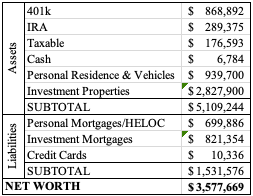


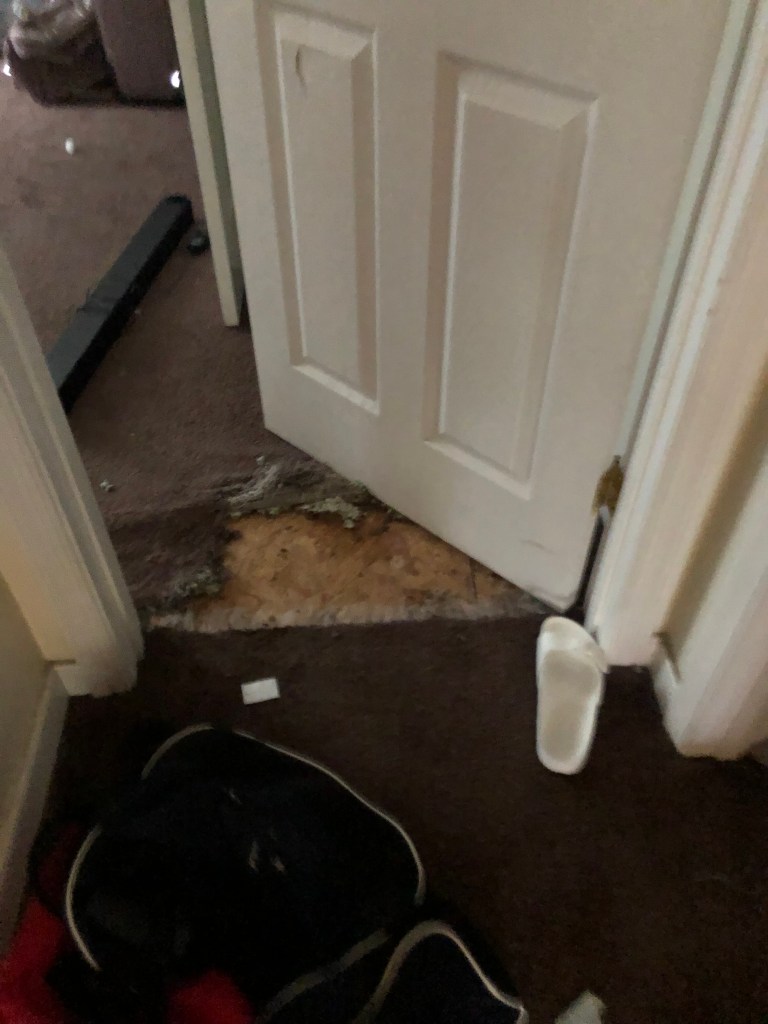

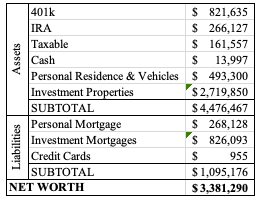
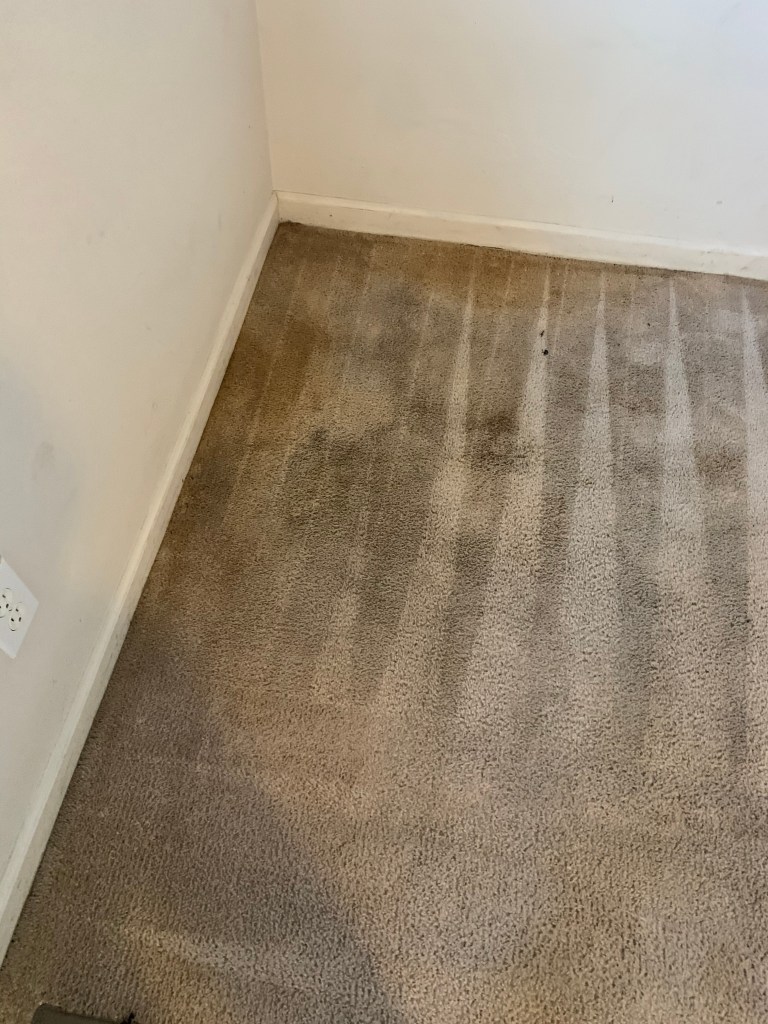
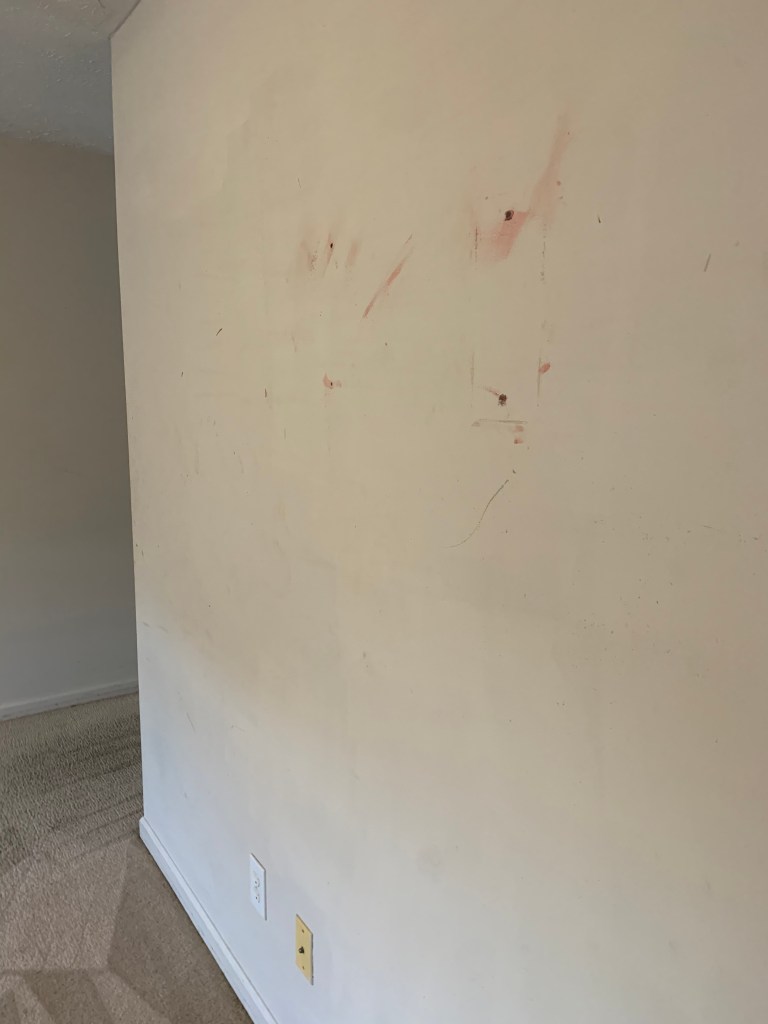
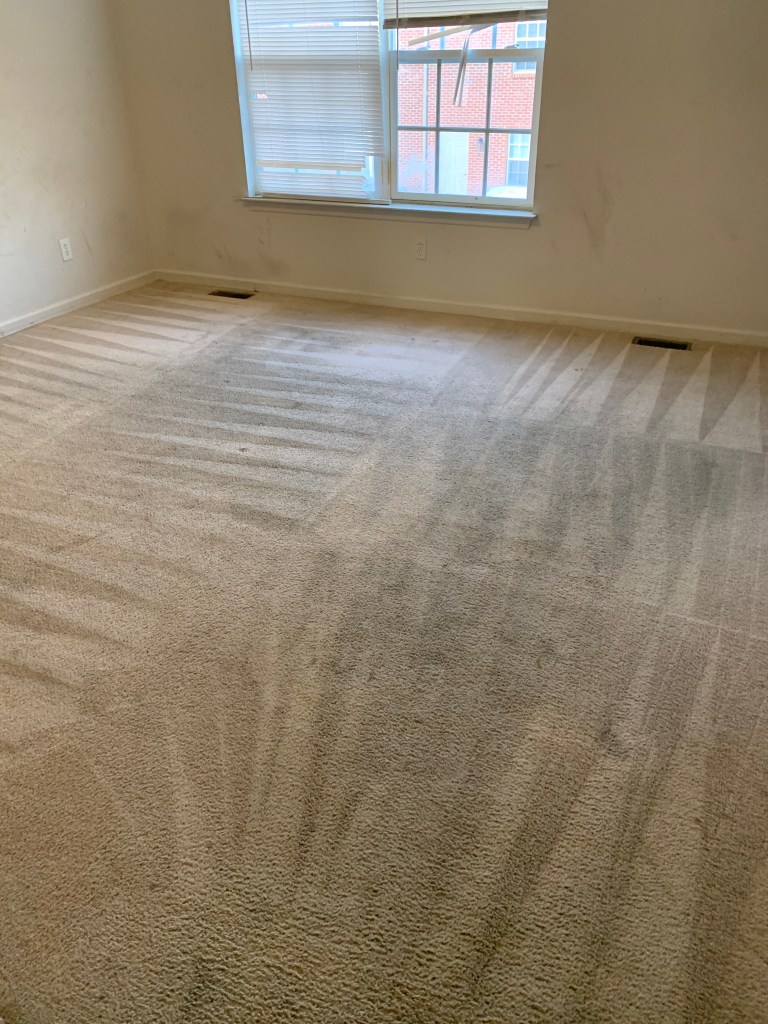

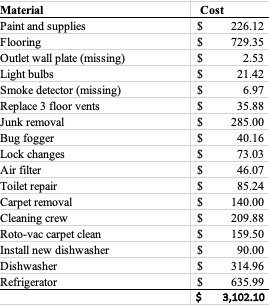

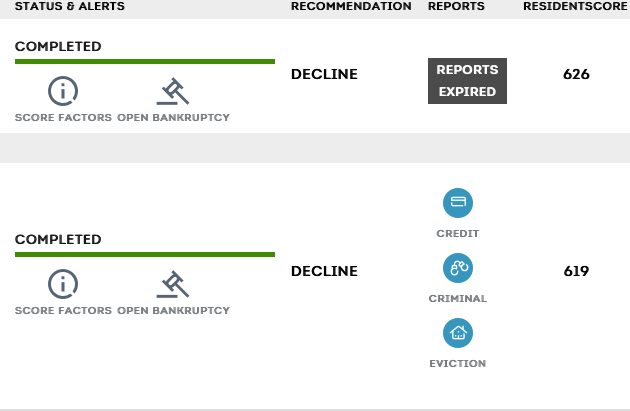
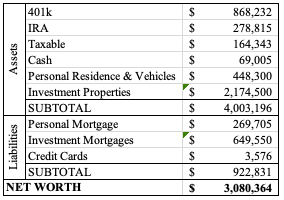
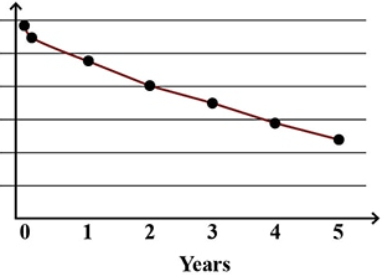

 One Dollar Allowance