We had a tenant abandon a property, and he left it a mess. There was some furniture and garbage left behind. I’d love to know what tenants do that destroys the walls in less than two years. I’d say the dog never went outside based on the carpet stains, but there was a giant pile of grocery bags fulled with poop outside the back door. We hired a carpet cleaner that was available the fastest, and that was a mistake. They basically just came and put lines in the carpet. I was not happy. Not only was their effort the absolute minimum of the task on hand, we had asked for it to be “rotovacced,” and it clearly wasn’t.
Recently, we received an updated assessment from the county, which included the comps they used. We bought the house for about 86k. The comps range from 110k to 130k. The comps at the high end had no carpet and upgraded fixtures. The low end had all original things. Looking to resale value, I wanted to lay Luxury Vinyl Planks (LVP) in the living area instead of replacing the carpet. Since we were nearly a month into unexpected lost revenue, the goal was just to address the main living area that would catch your eye.
WHAT IS LVP?
LVP is vinyl flooring made up of planks instead of being one sheet. It’s a floating floor, which means you don’t glue it or nail it down to the subfloor (e.g., plywood). The boards “click” together. When you get the connection right, the board lays flat on the subfloor.
Ironically, it was hitting the market around 2015/2016, and I declined it in the house we were building. I didn’t realize that it was going to be the “go to” flooring by 2020, and that it would be in our new construction house we bought then.
INSTALLATION TIPS
First, we had to remove the tack strips and staples from the subfloor after the carpet was removed. The floor needs to be mostly level. There was one spot where two pieces of plywood were not level, and it did cause issues with keeping the pieces connected.
Start in a left-most corner of the room, on the longest wall. Our living room is nearly square (13×13.5). The deciding factor on which way to lay the floor was to eliminate cuts against a schluter edge where there’s tile in the kitchen and dining room. When you enter the house, you walk up a flight of stairs, and you see the tile edge right away. Since this was our first time installing flooring, we wanted that edge to look good. The best way to do that was to not put any cut edges against it, but to lay the planks parallel to it.
Stagger the boards and create a random pattern. You don’t want to see a pattern in the flooring (e.g., don’t lay a full board, then a half board, then a full board, to start the rows). You also want to open 3-5 boxes at a time and mix up the boards. Different boxes may have different variations in the coloring, and you don’t want a splotch of a lighter shade of flooring in one section, so it’s best to mix up the boxes.
You’ll have waste. When you plug quantities into Home Depot or Lowes, they typically ask if you want to add 10% for waste. We calculated needing 9-10 boxes, and we opened 12, with 3 full boards left. There was a mishap with one of the boxes, but that probably lost us 4-5 planks, so I think we still would have opened 12 boxes.
Lay the short edge together first. The second board lays under the connection of the first board that’s already on the floor. When you connect the long edge to the board above it, just wiggle it until it lays down flat and you see no seam. Sometimes you need to use a tapping block to get it to fit together better, but when you get the right connection, it’ll literally just fall in place.
To cut a piece to fit at the end of a row, use a utility blade along a straight edge. When you go to snap the board, hold the straight edge in place. Both Mr. ODA and I tried snapping a board without the straight edge, and the board snapped in a different place.
When needing to cut the entire length fo the board, use a circular saw or table saw. It won’t be easy to score and snap because of having less leverage. To cut small areas within a board, such as floor vents, you can use a jig saw. Cutting the board with the circular saw makes a gigantic mess. Think of it like packing material that just explodes on you. However, there is a benefit that it’s not the clingy type of material, and it does sweep up easily.
At the end of each row, cut the board about a quarter inch too short. You’ll need to fit a tool into the crevice to pull it into place. I had been cutting it to fit under the baseboards, but then you can’t get the boards connected. At the end, you add shoe molding or quarter round to cover the cuts.
COST & TIME
The flooring, shoe molding, threshold to cover the carpet to floor transition, and an installation kit cost us about $700. We picked LVP because it comes with a cork type material attached to the back of each plank, and it doesn’t require underlayment.
We picked the LVP instead of getting new carpeting because of resale and because of the cost and time associated with carpet installation. At Home Depot, if you pick in stock carpet, it’s not subject to the free install. If you spend $499 otherwise, you get free installation. We would pick a carpet that is about $1/sf, so we wouldn’t get to the $499 price for free installation.
We arrived at the property at 10:30 am. We had to remove the tack strips and staples. Mr. ODA removed all the tack strips, and I started on the staples. When I got an area clean, he started laying the planks while I kept working on the staples and sweeping. At 2 pm, I will still working on staple removal, and he took a break for a work meeting. I took over laying the boards. We finished laying the floor, installing the quarter round, and caulking the seam between the baseboard and quarter round at 6:10 pm.
There was a big learning curve on how to get the boards to click together most effectively. We could have probably eliminated an hour of work where we were trying to figure things out rather than laying the floor. I also had a big speed bump trying to get the piece at the bottom of the stairs in place (a lot of cuts and having to figure out leveling the board since it couldn’t be butted up against the bottom of the step, which wasn’t level), which was probably a 25 minute delay. With that said, my back was killing me. It’s probably a project that’s better suited to be split over multiple days as a newbie, rather than powering through 8 hours of work.
I asked Mr. ODA if he would do it again (as we both complained about how much our bodies hurt), and he said yes! We just wouldn’t be in such a rush to finish one room in one day in the future, even if it was only about 200 sf.
The market has recovered a good bit, so our net worth jumped. Our retirement accounts were at an intriguing low, but they’re back on track now. We also saw a few sales in the neighborhoods where our rentals are, so that increased our net worth based on the comps. We added a new property over the course of the last month as well.
NEW HOUSE IN OUR PORTFOLIO
We closed on a new house on March 24th. We worked on it for a few days, I held an open house, and we were able to get it rented as of April 8th. We had 16 days of vacancy. While showing it, most people were looking for a May or June start date, so we were lucky someone qualified for an April date. Back in 2016-2019, we were looking to follow the “1% Rule.” That means that if you buy a house for $100,000, your goal is to set rent at least $1,000 per month. This house isn’t even close. This market doesn’t allow for such a goal anymore because housing prices are soaring. The next goal would be to list for about $1/square foot. This house is 2100 square feet, but since the upstairs has smallish rooms and the basement is all open, we thought it wasn’t really worth pushing for $1/sf.
We bought it for $240k net, and ended up renting it at $1750. I wanted $1800, Mr. ODA wanted $1695, and when I went to list it, Zillow suggested $1750, so we went with that. Multiple people commented on how they appreciated the price, so we may have been able to get $1800 without an issue. I’m happy to have it rented, and I think these people are going to take good care of the house.
RENTALS
We put more money towards the house that we’ve been paying off, which is owned with a partner. We put our half towards it ($8,500), and it has a balance of about $600 now. The pay off quote required us to pay the anticipated taxes that will be paid out of escrow in May. We didn’t appreciate that, so we just went ahead and paid it down. We’ll let the May mortgage payment go through, wait for the taxes to get paid out of escrow in mid-May, and then pay it off. That’ll make 7 houses that are owned outright! But that also means I need to stay on top of insurance and tax payments.
We were just informed that one of our properties in Lexington that’s under a property manager hasn’t paid rent. She said it’s unlike them and that they aren’t even responding. She’s going to go to the house tomorrow to check on the situation. Since we’re paid a month after rent is received, this hasn’t affected us. A neighbor reported that they were moving out last month, but the tenant denied it. Perhaps they abandoned the property.
Once again, our two usual suspects didn’t pay rent on time. However, both of them actually made a better effort than they have been. One has paid this month’s rent in full, but has a balance of $286.31 (seriously…) to make up several late fees. I’m happy to waive late fees when it’s someone who communicates and isn’t always a fight to collect rent, but I’m holding this one to the balance owed. Another one told me that they wouldn’t pay until the last Friday of the month. I drafted an email to tell them that this is unacceptable because it’s been several months that they’re paying this late, and we need to work towards getting back to paying rent at the beginning of the month. Right after I drafted that, she sent half of this month’s rent. Better than nothing!
SPENDING CHANGES
Over the past month, we didn’t go out to restaurants very much. We haven’t been traveling because my family came into town for our daughter’s birthday party, and then I’ve been working on the weekend. Most of our spending went to gas (going back and forth to Lexington (half hour drive) multiple times per week!) and expenses to get the new house ready for a tenant.
I’m flying to my sister’s baby shower next month, so that another large and unusual expense on our credit cards ($250).
SUMMARY
We still have our state taxes to get paid. We went through the process of entering all our taxes, but we haven’t hit submit just yet. Surprisingly, we’re expecting a refund from the Federal side. The amount owed and the refund basically end up as a wash.
Our new property’s loan is a commercial loan, so it doesn’t get paid on the typical mortgage schedule, but on the 1 month anniversary of the opening. Therefore, the next payment is due on 4/24, and there’s no “1 month without a payment” type thing.
Clearly, our cash balance dropped significantly since last month because we had the closing. That was about $46k that we wired out, which was the expectation when we completed all the maneuvering with the cash out refinances in January. Our credit cards reflect our lower spending too, coming in about half what the balances were last month.
When looking to rent your house, you should do your due diligence. Our concerns are whether a person has a history of late payments, collections accounts, and if they have a criminal history.
We do two steps of initial screenings before asking a tenant to pay an application fee. The first two steps given them the opportunity to disclose anything that may be seen as unfavorable or not meet our rental criteria. This way, once they pay the application fee, it’s a verification step, and they’re not wasting any money for me to find out that I’m going to decline them.
Here are the details of how I go through the evaluation process, and specifically how I just did it for our new rental.
RENTING CRITERIA
First, I send everyone interested an “Interest Form.” We ask for their legal name, contact information, credit score, employment data, number of occupants, whether they smoke, if they have pets, if they’ve been evicted, and if they’ve been convicted of a felony. I also ask them to provide any other information they think I should know that may affect their ability to rent the house. I send this form to everyone who expresses interest, and it’s the first step before scheduling a showing. I request the data before scheduling a showing because I don’t want to waste my time or theirs showing the house, when they had adverse responses to our criteria. This was more important when I was scheduling individual showings, but I now conduct an “open house.” I set aside two hours to be at the house and ask they come during that time. If that doesn’t yield a tenant, then I’ll evaluate who couldn’t make it and field new requests to see it to determine if I’ll show it individually or host another open house.
We have this at the top of our Interest Form.
Properties are offered without regard to race, religion, national origin, sex, disability or familial status.
Required standards for qualifying to rent a home are: • Each prospective applicant aged 18 or older must submit a separate application. • We limit the number of occupants to 2 per bedroom. • Your combined gross monthly income must be at least $4,000. • You must be employed and/or be able to furnish acceptable proof of the required income. • You must have a favorable credit history. • You must have good housekeeping, payment, and maintenance references from previous Landlords.
Compensating factors can include additional requirements such as double deposit and/or a cosigner.
Our typical rental actually requires 3x the rent as the monthly income, but since our last house was more expensive, we put the requirement as a dollar amount threshold instead.
Then I would historically review those who say they’re interested and pick the one that appears to be most qualified. I’d send them a “pre-application” form to fill out. However, for our last tenant search, I asked everyone interested to fill out the “pre-application.” The tenant screening system doesn’t tell me their last landlord information or their employer, which are both necessary for making phone calls and checking their information given. The “pre-application” repeats some of the questions on the Interest Form, but the pre-application requires them to sign the form as an “affidavit” that the information is accurate.
If they tell me that they’re going to have a low credit score, it helps me to know the reasons for it up front. Additionally, by letting me know any issues up front, it saves them money. If they self-report that they have several collections accounts, then it could be cause for me to move on to a different person interested. If they don’t tell me that they have some issues in their history that may be unfavorable, and I send them the application, then they’re spending $40 per person only to potentially not get the house. I prefer to use the online tenant screening as a final verification step than an initial screening and potentially waste someone’s money.
One time I got through all these steps, had 3 different people submit an application for a house, and the report came back with an eviction. We asked why they didn’t disclose that to us originally. They told us a story about how they were asked to leave somewhere, but they didn’t know that it was reported as an eviction. We told them that they were disqualified. We went with our “runner up,” and they’ve been in the house almost 3 years without any issue or late payment.
We also had two people submit an application and then a bankruptcy was reported on the credit report (it was before the pre-application step I implemented). She said she didn’t see a place to explain a bankruptcy, so she didn’t think to mention it. For future reference, if I ask for your credit score and you have anything concerning in that credit report, it’s helpful to be upfront about it. In that case, everything else was fine and her explanation for the bankruptcy was clear and thorough. We gave them a chance, and they were amazing. She was rebuilding her life after taking on a lot of new bills after a divorce, juggling single-income life, and it was a way to consolidate the debt.
DECIDING BETWEEN TENANTS
In this last situation, I had several people express interest in the property.
I held the open house, and I asked everyone to let me know by noon the following day if they were interested in pursing an application after seeing the property. I received 6 or 7 people who were interested in the house.
I don’t look at one factor. I weigh all the information given to me in my head. In a perfect system, I may assign a weight to each data point, but that’s more effort. I’m reviewing the data and trying to see who has the best, well-rounded criteria.
The house is big (2100 sf with 4 bedrooms), and rent is higher than anything we’ve ever managed. I looked at what they are currently paying in rent. If they’re currently paying $1500 per month, then that made me more confident that they’d cover the $1750; if they are currently paying $400 per month, then I was concerned that they weren’t prepared to cover such a large expense difference. Along those lines, I also gave more credit to someone who has a stable job that they’ve been at for more than a year, versus a few people who said “I’m starting a new job at the end of April.” We have a tenant that goes through jobs every 1-3 months and is always a pain with rent, so I’m probably more scarred by job history now.
I gave more credence to those who had at least a 600 credit score, but I didn’t rule out anyone with a credit score less than that. One woman did have a lower credit score, but she had other good information, so I didn’t rule her out.
Finally, the determining factor came down to availability. My top two contenders had different desired move dates. One said early April, and another said June 1st, but May 1st may be ok. When I asked her to explain about her move date, I received a detailed story that didn’t have any conclusion on when she was available. Since this is a business, and I had a qualified group interested in the house sooner than others, they were the ones selected. If I didn’t have someone qualified for an April move in, then I would have waited for a May 1st rental instead of lowering my standards.
Luckily, I had enough interest in the property that I could select someone who was well qualified and get it rented sooner than later.
APPLICANT SCREENING
Once I’ve given someone these two opportunities to disclose unfavorable information in their credit or criminal history, and they’ve provided favorable responses that meet our criteria, I send the link for the application. The potential renter enters their data into the system, which helps keep their information secure (e.g., I don’t have their social security number) and helps eliminate any typographical errors that I may make transferring the information into the website instead of them entering the data they already know. Additionally, the tenant pays the fee (currently $40) directly to the website, which helps them understand that once the report is run and the fee is paid, it was for a service so it’s not refundable. I heard multiple stories this past week where people paid “application fees,” but were later told that they weren’t the first to respond. That’s not fair. I don’t need to know everyone’s detailed reports and cost people money if they aren’t going to get the property. So here’s how I handle the tenant screening process.
The system generates a report for me to see that includes their credit history, criminal history, eviction history, and income verification. – The credit history shows any missed or late payments; collections accounts; bankruptcies filed with the chapter, date filed, and amount settled; and their score. I’m more concerned about late or missing payments than anything else there. The collections accounts are typically related to medical bills, but if they’re for general credit cards or an enormous car loan, I’d find it more concerning. I’ve also not ruled someone out simply because they’ve filed bankruptcy; two of our tenants actually have a bankruptcy in their report. – The criminal history tells me if they’ve had any judgements against them. I’ve seen traffic violations, misdemeanors, and felonies. The report also tells me if they’ve been listed on any sex offender registry. If they have felonies, multiple misdemeanors, or are on a sex offender registry, it’s automatic disqualification. I’ve gone down the road of giving people chances, and it hasn’t gone well. This report isn’t fool-proof either. I know how to use the court record system where we have most of our houses, and I now look them up in all the nearby jurisdictions to be sure there’s nothing reported. – The eviction report will tell me if they’ve been formally evicted. This doesn’t capture any times where a tenant and landlord agreed on the tenant’s departure outside of the court system. This also may miss some jurisdiction evictions. We had someone show up in a separate jurisdiction when I went looking for their information in the surrounding areas, but it didn’t show up on the report. Don’t think that this report is fool-proof. – The income verification comes with a built-in caveat. I don’t know the details on how the report is run, but the result is something along the lines of “we believe that the self-reported income is near accurate.”
The report suggests whether to accept or decline the applicants. I suggest reviewing the data and making a decision for yourself. Some reasons why the recommendation will be to decline include: criminal history, bankruptcy, and low credit score.
We have given several people “chances” that don’t perfectly meet our criteria. Below is a screenshot where the recommendation was to decline. However, we ended up asking for more information and giving them a chance. They ended up spending a year in a rental of ours, moving out of the area, and then asking for our rental availability when they came back to town. They always paid on time, hardly asked for anything, and took great care of the house.
We have also accepted tenants that had some concerns in their report, but the system recommended we accept them. We tried to overlook the issues, but we’ve ended up regretting it. We have one tenant who has a criminal history (forgery) and we ended up having to release her roommate from the lease because of a domestic violence and restraining order issue. She’s also consistently late on making rent payments and doesn’t keep communication lines open. We plan to ask her to leave at the end of this lease term. We also had a tenant with a 480 credit score who wrote us a letter about her low credit and asked for a chance. She ended up consistently paying late (she always paid, but it was always a fight); we threatened eviction when it got to a breaking point where she was combative, but she left on her own terms. That’s a good example where she was a terrible tenant, who we gave multiple opportunities and even restructured her rent, but her eviction report won’t say anything to that effect.
DEPOSIT
Once I have an approved application, I request a deposit to hold the property and remove the listing. Typically, the lease signing doesn’t occur immediately. In those cases, I want protection of my cash flow that I’m holding the property for someone specifically. I’ve had a couple of houses that have signed a lease immediately, but typically there’s a lag between “acceptance” and the lease being signed (forming a contract).
In this last instance, the tenant was accepted on Friday, but the lease wasn’t going to be signed until the following Thursday. I requested a $400 deposit, which will be applied to their balance owed to get the keys transferred to them. I originally was going to request $500, but I realized that the week’s worth of time at the rent per diem rate came to $408. If they back out between now and Thursday, then I haven’t lost income if I had chosen someone else and not held the property until the date they wanted a lease. Ironically, they ended up paying a deposit of $500. For them to obtain the keys, they owe a security deposit ($1750), the first month’s pro rated rent (about $1300), and a pet fee of $500. Their total is $3,550, but the $500 I’ve already collected is applied to that balance. Therefore, on Thursday, they’ll owe me $3,050 for me to hand them the keys.
Usually, I require the first month of rent to be the full amount, and then the proration is applied to month 2. Since for this tenant, they already paid rent at their current address for the month of April, and the rent here is higher than our average, I went ahead and prorated the first month so they didn’t have to put so much cash out of pocket in a short period of time.
SUMMARY
You can see how I am not making black-and-white decisions. I’m not hanging my hat on one or two factors. I’m being reasonable in my decisions and understanding that there’s a person, and maybe a family, on the other end of this transaction.
Be fair. Utilize a variety of factors in making your eligibility determination. Keep your communication lines open with potential renters until you have a deposit and/or lease signed on the property.
Treat this as a business and make informed, logical decisions instead of emotional ones, but be reasonable.
We closed on a new type of loan last week. It wasn’t a completely smooth process, but it was easier than a residential loan.
WHY COMMERCIAL?
Residential loans on second+ properties were over 4.5% on their interest rates last month. The commercial loan gave us options that were lower than that. It comes with a catch though. While the loan is amortized over 25 years (there was a 20 year option too), there’s a balloon payment after 5 years. There were also 3, 7, and 10 year options. Being that this was our most expensive investment property purchase, 3 years was too much of a risk to take on that balloon payment. The interest rates for 7 and 10 years didn’t make it worth going the commercial loan route. While the interest rate is fixed (unlike in an ARM or adjustable rate mortgage), this balloon is a risk.
By going through a credit union, our costs were also minimal. Our closing costs were just over $1,000, rather than the typical $2k-3k that we’ve seen on closings that cost less than half what this house cost us.
The only other “catch,” if you want to call it that, is that there is no escrow. I already handle the taxes and insurance payments on my own for a handful of our houses, so that’s not a big deal. I also appreciate having control over my money instead of having to check in on escrow regularly and making sure all the escrow analyses are actually done correctly (because one recently wasn’t!)
PROCESS
We filled out an application, which they called the “personal financial statement” and included our detailed financial status. It had me list all our account types and balances. I assume that’s what they used to compare against our credit report, because we actually didn’t send any account statements to them (glorious!). We had to provide the last 3 years of tax returns (ugh… we haven’t done 2021 yet so we had to give 2018).
I developed a rent roll and gave that as well. It listed all real estate owned, purchase price and date, current market value, monthly rent, mortgage balance, monthly mortgage payment, and whether or not it’s occupied. I added the HOA payments on the houses where it’s applicable because that always seems to be a last minute request for documentation.
Once the application was completed and reviewed, that was it. We were asked a few follow up questions about the numbers on our forms, but we weren’t asked for anything further. Essentially, “underwriting” happened as part of the application process, versus in the middle of the application and closing dates, spanning days and maybe weeks of documentation gathering and answering of questions.
Instead of a “rate lock,” the rate given is the rate that was present at the application submission, pending any exceptions (e.g., if credit isn’t what we said it was or we have outstanding loans not disclosed). As an auditor, it was hard for me to accept that we weren’t going to be hit with a surprise somewhere along the way because we never signed anything agreeing to loan terms!
We saw no documentation until the Monday before our Thursday closing. There was no initial disclosure, and no “rate lock.” We had no idea how much the closing costs actually were going to be. The responses to our questions were slow or nonexistent. We didn’t see our appraisal until the Friday before closing. Not knowing the process or knowing when we’d find out how much this was costing us was more than we’re used to handling emotionally.
We received the HUD settlement statement on the Monday before closing. Luckily, everything was correct. Our sellers had already moved out of the area, so we had to have the statement sent to them, signed, and sent back to the Title attorney. They did that perfectly, and we had an easy closing on Thursday. We signed all the paperwork in about 20 minutes!
FIVE YEAR LOAN
Mr. ODA ran some numbers to show me why we should go for the 5 year loan instead of the other terms.
We didn’t consider the 3 year option because we didn’t want to manage that balloon payment or refinancing so quickly.
As a reminder: the closing costs for the commercial options are the same regardless of the term, and were about $2k less than the traditional loan; all the commercial loans are amortized over 25 years, but have a balloon payment at the end of the term given; all are based on 20% down (because there was no incentive for 25% down).
The final decision to go with the 5 year loan was that we haven’t shied away from risk in the past, so take the incentives that come with the shorter term (i.e., lower monthly payment and less interest paid). Our portfolio has made drastic changes over the last 5 years. Therefore, we don’t see a reason to pay more interest, reduce less principal, and have a higher monthly payment (thereby lowering our monthly cash flow) just because a balloon of $167k is concerning.
BALLOON PAYMENT
The loan is $193,600. After 60 payments (5 years), the principal balance (with no additional payments made) will be $167,500.
Let’s face it, if we had $160k+ liquid, we wouldn’t be paying the first 5 years of interest on the account. We can make additional principal payments over the next 5 years to dwindle the balance before the balloon payment is due, and/or we can look into refinancing the balance at the end of the 5 years.
We had another private loan that had a balloon payment at 5 years. That loan was originated at about $70k and we paid it off in about 3 years. We had several issues with that lender, so we had the incentive to throw money at the loan and be rid of it, versus attempting to refinance it at the end of the 5 year term.
It’ll be interesting to see what we do on this going forward. The balloon payment would typically be an incentive to make additional principal payments. However, we have six other loans with an interest rate higher than this loan’s, and one loan with the same interest rate. We’ve been focusing on either the one with the lowest principal balance or the one with the highest interest rate. This new loan doesn’t fit either of those categories!
SUMMARY
Mr. ODA asked me if I would do this again, and I would. It was frustrating to ask someone in customer service a pointed question and not get an answer, but overall this was easy. There was minimal documentation needed, the requests didn’t drag on, and the closing costs and interest rates available were favorable. The balloon payment is something that needs to stay on your radar over the next 5 years (and mostly in that final year), but refinancing is always an option. It doesn’t mean that you have to be ready to fork over $167k on that date, but you do need to plan for closing times and ensure you keep your credit worthiness in good shape (although isn’t that always the goal?!).
We have been surprisingly busy around here. I’ve been juggling a few rental issues, staying on top of some billing issues, and trying to make it through a commercial loan process.
At one point, most of our loans were held by one company. That was a more simple life. Even though we’re down to 6 mortgages under our name, it’s through 5 different companies. I’m really struggling keeping up with them and getting in a groove after our most recent refinance. I’ve mis-paid things 3 times now. I’m always on top of our payments, but something just isn’t clicking right now for me. I just paid one of our mortgages due April 1 instead of changing the date to be an April pay date. At the moment, we have a buffer in our account because we’re getting to this closing next week, but we usually don’t, so hopefully I have this figured out now that I’ve made so many mistakes.
RENTAL PROPERTIES
LEASE RENEWALS
We had 3 properties process their renewals this past month. Each of them had cost increases to their lease renewal (875 to 950 effective 5/1, 850 to 900 effective 8/1, and 1025 to 1100 effective 5/1). We have another property that will have a renewal offer go out this week. Then we have 3 that will need action by the end of April because the leases expire 6/30, and one that will need action by the end of May because it expires 7/31.
MAINTENANCE
We had a tenant reach out to us that they found bugs in their bathroom tub. She sent pictures and, sure enough, they were termite swarmers. I have way too much experience with termites. I called our pest company, and they sent someone out for an inspection to confirm they were termites. Then I got a call that because we didn’t pay the annual fee to keep our warranty current for the last 3 years (we had the house treated for termites in February 2019 when we bought it because there were active termites and extensive damage by the front door that needed repaired), they could charge us $650 again. However, since we’re considered a business account, she’d be happy to let us back pay the termite warranty and they’re treat it. So I paid $294 for the treatment instead (split with a partner on this house). She also informed me that they had cut off the hot water to the kitchen sink because there was a leak. I don’t know why tenants don’t tell us these things right away! I had my plumber out there the same day, and he replaced the whole faucet. That was $378. That’s one of those charges that’s frustrating because we could have replaced the faucet on our own, but we don’t live there anymore. Oh well; it’s also a cost split with our partner, so that helps.
We had another tenant reach out saying that her kitchen sink drained slowly. She’s been with us since we bought the house and never asks for anything. She’s on top of communication and was super appreciative each time we agreed to renew her lease. We had done a huge sewer line replacement project at this house, so I was skeptical of the issue. It turns out there was a plastic fork lodged down there, but I just let it go (meaning, she’s then technically responsible for the cost). Our property manager let her know that if it happens again, she’s financially responsible, but we’ll cover the cost ($200) this time.
RENT COLLECTION
We FINALLY got the check for one of our tenants that had an approved rent relief application. They submitted an application in November to cover December, January, and February rent. By mid-December, they ended up paying December rent because they hadn’t heard (and the application expires, meaning their protection from eviction expires (not that I would have pursued eviction for this group because they’ve been great tenants for several years)). They received approval for 3 months worth of rent and 2 late fees on January 11. We received the check on March 4th. So frustrating in that process, but still better than an October approval and us getting those 3 months paid at the end of January.
We had our usual suspects not pay rent. On the one house, they didn’t tell us they weren’t paying rent for the longest time. Now, they tell us they’ll pay us on a later date. I let it go this month, but with them paying on the 23rd, that means we’re in a perpetual cycle of not getting rent on the 1st. We have a partner on this house, so I plan to address it next month if they claim another 3+ week delay in getting us the rent. On the other house, she let us know in February that she’d struggle to pay rent and she gave us random amounts throughout the month. I let her know she was still $106 short from February and that she was now in default of March’s rent, and I got no response. Then Mr. ODA had $1000 show up in his account on Friday. She still owes $371 between the two months, but at least we have the mortgage payments covered. She’s also the tenant that we plan on not renewing her lease because she’s caused issues throughout her tenure.
BUYING A NEW PROPERTY
We’re still in the process of getting through closing on a new rental property. We’re expecting to close not he 24th, so we’ll see how that goes. It’s a commercial loan, and it operates different from residential mortgage underwriting, so we’re in the dark. Communication has been next-to-nothing. We’re currently waiting on the appraisal to come back. That was our one hurdle to getting into the house. I said once the appraisal clears, then we (as the buyer) shouldn’t have any risk in getting to closing. Therefore, we were hoping to have the house painted before we close (I would do the painting), then we could refinish the floor and get the rest of the cleaning done the weekend after closing, and get it listed for rent for April 1. I suppose I wouldn’t be trying to get to the house before Friday, so I guess I can be patient and wait to see what happens with the appraisal for a few more days (even though the appraiser was on site last Tuesday, and I’ve never had it take more than a day or two to get the paperwork).
REFINANCE FOLLOW UP, STILL
We still have an issue with the mortgage that I ended up paying 3 times for the 2/1 due date. Our refinance was difficult, and the communication continued to be difficult after closing. I asked on 2/1 whether our loans had been sold yet because I was surprised I hadn’t heard. Usually, I see a note saying to pay the new company before the first payment, thereby not paying the first payment to that “first payment notice” place that comes with the closing documents. The company’s contact said to keep paying them because they hadn’t sold the loans yet. I didn’t open the attachments in his email because I assumed he was reiterating what he said in the email. Turns out, one of the loans was already sold, and I should have paid the new company. Well, I processed a paper check to go to a completely different company (started with a C, and I didn’t catch that I selected the wrong one in bill pay). Luckily, that company sent us our check back, saying they think our loan is closed with them and they can’t process the payment (thank goodness we once had a loan with the address I put in the memo line so they could clearly make a connection and say “we don’t want this!”). When I noticed my mistake on the 14th, I sent a handwritten check that I rushed to the post office at 4:55 to get post marked. In the meantime, I found out that I was able to set up an online account with the new company even though I didn’t have the loan number yet (they gave it to me over the phone). I paid the new company online to make sure I didn’t have anything on my record claiming I didn’t pay by the 15th and it was late. I figured I’d rather manage 3 payments being made than fight the credit companies to change my credit report. Well, the initial company cashed my handwritten check, but they still haven’t sent the money to the new mortgage company. They just kept telling me they have 60 days to get it to them, and I said that’s unacceptable that they’re holding my money. That was a week ago that I was told I’d get a call back, and I haven’t heard from them.
PERSONAL EXPENSES
Now that the basement is done, I had a strong urge to finish projects. There were several things that were starting but not completed. Those final punch list items always seem to take forever. I was impressed that Mr. ODA pushed to get some of the things in the basement done right away, even though they weren’t on a critical path. However, I didn’t uphold my end of the project by painting those things, so I got back to that. I mentioned several of the projects in a recent post, and I’ve done a whole lot more since that post. But all that to say, I’ve spent a lot of money in the last month. I bought a lot of supplies to finish off these open projects. I also had big purchases of cabinet hardware, a dining room table, a desk, and a wood. We haven’t done very much out of the house, so we don’t have a lot of other expenses than these projects, which means our credit cards are actually have the usual balances. We did book an AirBnB for a trip at the end of the summer with friends of ours. That was a big hit on the credit card for a week at the beach, but they reimbursed us for their half.
SUMMARY
It feels like I just keep lowering the balance in our investment accounts each month, but I went to look at February 2021 to see the total. Even though some balances have decreased, we’ve still contributed to the accounts, so overall they’re $21k higher than last year, which is encouraging. I guess I should also focus on the property values raising significantly. We’re over $500k higher than last year in our assets, and our liabilities (i.e., mortgages) are about 13k less than February 2021. We’re also still over $3M on net worth, even if we’re hovering right around that. We’ll add about $50k to our net worth by the end of the month, as long as we close on the new property on time.
I have gone through all our expenses in 2021 and categorized them, which was very time consuming. I swore I’d do better this year, but it’s March, and I haven’t done anything.
In the past year, we hit a net worth of $3 million. That’s really exciting, but we have more goals. It’s important to note that the net worth is through our investment properties, retirement accounts, and other investment accounts, so it’s not liquid funds. The values on our properties have drastically increased, many of which we’ve recently refinanced and have an appraisal on file showing just how much equity we’ve gained on these. Except for the cash that we have in our savings account right now, as we prepare to purchase another property at the end of the month, we don’t typically carry a cash balance. Our philosophy is that, if there’s an emergency, there are very few things that can’t be put on a credit card, and we can liquidate investment funds within 24 hours. We don’t subscribe to “3 months worth of expenses in savings” type actions. We’ve had plenty of large expenses hit us with rental properties, fertility treatments, and other random health needs, but it hasn’t ever been something to drown us financially. So while it’s exciting to see that new net worth, it doesn’t change our spending philosophy.
DIVIDENDS, INTEREST, & REWARDS
Mr. ODA used to have our dividends get reinvested automatically, but now they are transferred into our checking account. That was over $6,500 that came in, mostly at the end of the year, but there was ~$30 per quarter deposited also. In a different time, interest earnings on accounts used to be something to be excited about. Our checking and savings account combined brought in $6.51 for the year.
Mr. ODA is set up with GetUpside. When I went to their site to get a better description, I learned that you can earn cash back through gas, grocery, and restaurant purchases; I thought it was just gas. It’s an app that allows you to earn cash back through your normal purchasing. However, it also gives you an incentive for referring people, and so when that person buys gas, you get some cash back. By checking the app for a participating gas station (and only using it if the incentive offered is a better price than surrounding gas stations), Mr. ODA deposited $32.45 for the year.
Between 5 credit cards, we brought in $4,232 worth of rewards. These are simply earned by either spending or paying the credit card, no further action. We preach and preach to have credit cards with rewards. Everything we purchase goes onto a credit card; at the end of every cycle, we pay that credit card off. We’ve developed a mindset for spending that means we’re not afraid of what we put on the credit card and whether we’ll be able to pay it off in full at the end of the month, because we’re not spending frivolously. I will caveat that this amount of rewards was possible due to sign-on bonuses that were earned in a previous year, and then the credit card changed their reward redemption options, allowing us to pay ourselves back for restaurant purchases. We had previously been using the rewards to purchase travel needs through their portal, but we were able to dwindle down our rewards with this reimbursement change.
INVESTMENTS
Every month, we each put $500 into our investment accounts as an automatic contribution to max out our Roth IRA contributions. Additionally, each kid gets $50 deposited into their investment accounts each month. We also received the child tax credit each month, so with that, we put $125 into each kids’ account. The thought process was that we received $600 for them, and so after investing in their accounts, we were left with $350 to go towards “raising” them, which was the intent of the money being sent out in advance.
EXPENSES
My categories were super broad. For instance, if we traveled, I included all the expenses (e.g., lodging, flight, activities, parking, dog-sitting) as “entertainment.” But “entertainment” also included watching horse racing, baseball game, zoo, babysitting, etc. “Home” includes any furniture purchased, decorations, cabinet knobs, pictures/frames, etc. Even with the broad categories, I still had too many.
There are 3 categories that we have more control over, so I took a closer look at them: groceries, gas, restaurants. These are the ones that we can control our actions to change if we wanted/needed.
GROCERIES
A shortfall on my tracking is that I don’t know if Walmart purchases were necessarily for groceries or for something else. I removed a $300 purchase from my list because we wouldn’t have spent that much in one transaction in groceries, but I can’t figure out what we did spend it on because it was too long ago.
I investigated the spike in June, and I didn’t come up with anything jarring. There’s a transaction for $165 on a day with another transaction, so that may not have been food. August had several trips to Kroger. Trips to Kroger mean that we’re buying in bulk, so things purchased there are typically several of a particular deal they’re running that week versus an actual grocery shopping trip. There are 19 grocery transactions in August, which is higher than usual. August also included an emergency “find this kid some medicine while we’re on the road” that cost us $8 worth of medicine.
Lesson learned: We can do better meal planning and making fewer trips to the grocery store. We can be more deliberate about what we’re purchasing instead of stocking the pantry without a plan. We have a Sam’s Club membership and sometimes we tag along to Costco to scope out deals, so those lead to more bulk purchases, which will fall by the wayside in 2022. The Kroger deals will continue to be on Mr. ODA’s radar though.
GAS
Interesting that January through April are so much lower because we didn’t necessarily stay home. We drove about an hour away for a trip in January and a trip about 90 minutes away in March, went from our house to Lexington (about a half hour) every weekend, and went to the zoo (about an hour or so away). I guess we stayed home during the week more, which kept our gas costs low. April was when we gave up on a lake house and decided to be deliberate about going on trips, so I expected to see an uptick in gas costs at that time. I described that whole thought process and what we did in this post. Some of the uptick in certain months can also be contributed to us trying to maximize gas prices (e.g., we fill up if we’re going to be near Costco, even if we don’t necessarily need the gas at that time). In October and half of November, I was working in Lexington on the weekends, so that was 3 days a week that I was driving 25 minutes each way. Then in December, we drove from KY to Long Island, which is a whole lot of gas.
Lesson learned: We like to be active, so I don’t foresee a change in our gas-purchasing patterns in this year. As I type this, gas prices are soaring all over the country. Since we like to travel, our trips are usually within driving distance versus flying with two kids, so spending the money in gas is cheaper than 3-4 plane tickets.
RESTAURANTS
This is a funky one to track. While we’re traveling, we’re clearly eating at restaurants more often. That’s seen in the higher spending that happened over the spring and summer months. I don’t remember spending all of February in the house, but our credit card purchases seem to say that’s what we did – no gas and no restaurants. In March, we splurged on a birthday dinner ($77!), which is unusual for us. From April through August, we were traveling (and therefore eating fast food and at sit-down restaurants), Mr. ODA had work trips (so he’s going out to eat with coworkers for multiple nights), and there seems to be one or two transactions each month where we paid for a group dinner that was reciprocated (and not captured). Under the restaurants category is also when we went for drinks somewhere. We went to a winery and had a couple of drinks with friends, and that could probably be considered “entertainment” versus eating outside the home.
HOUSE WORK
We put a lot of money into our house this year, which is surprising since it’s new construction. We finished our basement, which was about $15k instead of the $75k-100k that other people have been quoted for the job. We bought a patio set, a grill, and an entryway table. Mr. ODA built a “shed” under our deck (we can’t have free-standing sheds per the HOA, so we enclosed under the deck .. not “free standing” 🙂 ). Most of our furniture moved with us from the last house without an issue, but there were a few purchases needed. Between our initial move in purchases (a kitchen table and chairs), purchases in 2021, and a few purchases that have already happened in 2022, we should be done with big house purchases.
INCOME
I quit my job in 2019. I manage our 12 rental properties as my “job” now, but I also am open to part time jobs as something to do. In April 2021, I was asked if I could help fill a position at the race track during their Spring meet. It wasn’t a job that I wanted to go back and do in future meets. I mentioned that I’d work the Fall meet if I could do something like pour beer, and Mr. ODA’s dad (who works there) made it happen. I also worked some of the days of their horse sales. I worked 22 days for the year and contributed $5k to our family’s spending for the year.
LOOKING AHEAD
I’ll try to track our expenses in real time this year, so that I can categorize them more accurately. Watching expenses month-to-month means you can also make adjustments if you see you’ve spent more than usual in one category.
Finishing our basement meant that we moved furniture around. A sections that was in our dining room moved to the basement, freeing up the dining room to actually be a dining room; I purchased a table and chairs. The “playroom” toys were moved down to the basement, and that room became the guest room. It’s nice that the guests can have their own space on the first floor and not share a bathroom with the kids. That freed up the previous guest room to be an actual office, so I purchased a desk (our old desk was in poor shape and it didn’t move to KY with us). Other than that, I don’t see any major expenses on our own house for this year.
We expect to travel a lot again this year. We already have six trips planned. They’re all driving trips, so that’ll increase our gas category. I have one trip expected to fly to my sister’s baby shower, but that hasn’t been scheduled yet. We’ll also have day trips that we’ll do around our house, which is usually an hour to an hour and a half worth of driving.
While we don’t “budget” or believe in the “envelope system,” we do watch our spending on a regular basis. We check our accounts every few days to ensure there are no surprises as well (i.e., don’t wait for your statement to come and find out there have been false charges). Keep paying attention to what’s being spent and where your money is going so that you can make informed financial decisions.
Just over a year ago, I decided it was time to put more effort into sharing what we’ve been through. When I’m looking to learn something new, I like to find examples of how other people handle it. I want to know the places they struggled and how they learned. I find it a better way to form my opinion than by reading an article that doesn’t have any meat in it, only providing an outline.
In the last year, I learned that blogging wasn’t as easy to keep up with as I thought it would be. I have a list of topics still to cover, so it wasn’t a matter of content. But raising two kids hinders my ability for an uninterrupted thought process to write an article, unless I get to it before they wake up.
The blog was started by Mr. ODA in 2018. He wrote a few posts, and then it sat for two years. I decided to pick it back up in January 2021. During 2021, we published 65 posts. Each month, I wrote a post about our financial update; I included any major expenses, how management of rental properties was going, and how our personal spending may have changed month-to-month. I shared our purchase of 11 out of 13 of our properties, our sale of one property, refinancing mortgages, paying off mortgages, renting properties, maintaining properties, etc. I also shared just general life decision making along the way.
Part 1 for my year in review will address what happened with our rental properties. I’ll dive into our personal finances in Part 2.
As a quick recap, we have 12 rental properties. Nine of them are in Virginia, and three of them are in Kentucky. Two of the houses in Virginia are owned with a partner because we still had cash available to buy more houses, but at the time we had the maximum number of mortgages allowed by Fannie/Freddie (max is 10). The houses were purchased between February 2016 and September 2019. All 3 houses in Kentucky are managed by a property manager, who gets 10% of the monthly rent each month. I manage 5 of the Virginia houses personally, and then we have a property manager who manages the remaining 4, who also gets 10% for each house.
RENTAL PROPERTY MORTGAGES
In January 2021, we completed a refinance of one property, and then in December, we completed three cash-out refinances. The loan balances on these 4 properties increased; one increased because closing costs were rolled into the loan balance, and the other 3 included $190k worth of equity taken out from the houses and creating new loans.
We went from 11 mortgages (two of which are actually owned by a partner) down to 8. House 6 had a balance of $26,447 coming into 2021, and that was paid off by June. Two other houses had a total balance of $157,500 at the beginning of the year. Their balances dwindled through regular monthly payments and one lump sum payment right before we completed the cash-out-refis and completely paid them off.
We have been working on paying down another mortgage that is owned with a partner. Between the two of our families, we paid off about $44,000 additional principal for that mortgage. We’re matching each other’s additional principal payments so that the math is easier to follow, so we can only make additional payments in line with what he can do also. We each owe about $10k on this mortgage now.
Even though there were so many mortgage-related transactions in the year, our overall loan balance only decreased by $6,000.
The market has continued to rise due to the limited supply, and so our home values on the rentals actually increased over $500k over the last year.
RENTAL PROPERTY LEASES
We turned over 1 property the whole year! The tenant that was living there had already told us that they were renting until they found a place to buy, so we knew they wouldn’t be long term tenants. We had a relationship with them from a previous house, when they had moved out of the area and then back. They had a poor experience renting in another area and reached out to us since they appreciated us as landlords. They found a house towards the end of their first year, but we let them out of the lease early. Their lease was slated to end October 31, 2021. We don’t usually have leases that start/end in the Fall if we can help it, but we had let the previous tenant out of her lease early to purchase a house also. The tenant said she was able to be out at the end of August, and we preferred moving the lease closer to the summer months anyway.
We raised the rent on 6 properties. – The one house that was turned over went from $1200 to $1350 per month. However, we added a property manager who gets 10%, so our cash flow only increased by $15 per month. – Two of our properties have long term tenants; the rent is significantly below market value, but we value not having to turn over the house. These houses are on a cycle where we increase the rent $50 every two years. – Our KY property manager tried to increase rent on the 3 properties she manages. One was increased by $25, another by $5, and the other one cried that she couldn’t afford an increase. That’s the one where we plan to increase by $75 next month, and if she doesn’t accept, we’ll turn it over and get $75-$100 more per month. – We increased rent by $150/month for one of our properties that we have with a partner. It was a risk, but this is a house that claims 3 people live there, but they have 5 queen size beds in the house. We figured either they leave and we get several big things fixed up that have been deferred because of all their things in the way, or we make up for all the years that we didn’t manage their rent and didn’t increase it. They accepted the increase.
RENT COLLECTION
We were very grateful that we made it through those initial months of the pandemic without tenants not being able to pay rent. We had a few people let us know that they were laid off or unable to work (e.g., restaurant business), but we learned most of our tenants worked in the health care field. So while we made it through 2020 without many issues, 2021 brought more challenges. Nothing was insurmountable, and it wasn’t debilitating financially, but it was still something to manage.
We had some big struggles with non-payment of rent on one house. She was 31 days late paying August rent, then she didn’t pay September’s rent, and then she applied for rental assistance to cover September, October, and November, which we didn’t receive until February 2022. That was all on top of her generally being a week late in paying through the beginning of the year too. She doesn’t maintain employment, she doesn’t communicate, and we’ve just had something new and different pop up as an issue every few months. We eventually received January 2022’s rent, but we still haven’t received all of February’s rent – just in time for March rent to be due.
We have another property (the one that was raised $150 per month) that is perpetually late. They eventually pay, and they’re getting better about actually paying the late fee (when they pay rent 20+ days late…), but they were late for 10/12 months of the year.
Everyone else paid their rent on time. In general, we’re lenient with late fees and issues. If you reach out to us and mention that there was a hiccup and you’ll need one more pay check to pay rent, our response is typically: please pay what you can now, pay the rest next week, and don’t worry about the late fee. However, when you don’t communicate and/or you’re consistently weeks late and we’re having to carry the expenses, there needs to be a consequence to incentivize you getting back on track.
RENTAL EXPENSES
We replaced the flooring in House3 ($4,000), hot water heater in House9 ($1,500), HVAC in House10 ($3,300), washing machine in House10 ($250), and HVAC in House12 ($3,900). We also had various electrical and plumbing work that needed to be done in several houses. We also spend about $7k per year in property management fees.
Usually turn over is an area that requires us to put a lot of money into a house. Luckily, the one house that we turned over this year only required some paint work, and we didn’t have any other turnovers.
While it’s nice that our assessments have increased and our housing values have increased in our net worth calculation, it comes at a price. Our taxes have increased on all the properties. In total, they’ve increased over $2,500 in just the one year (meaning, that doesn’t include all the previous years worth of assessment increases that have occurred!).
GOALS
In this year, we hope to add one more rental property to our portfolio. We’ve been actively working on it, but this market is crazy! We’re not willing to overpay on a property and get into a bidding war just to be done with the search. It’s interesting to see that we haven’t bought a new rental property in almost 2.5 years, when we had purchased so many all at once. We had gone back and forth with saving for another down payment or just paying off more mortgages after we paid off House6 in June. Once the cash-out-refi was a possibility, we decided to go ahead with purchasing another property. We’ll self-manage whatever we acquire. We had been looking in Virginia and Kentucky, but have started to settle into a Kentucky property (I like the laws for tenant/landlord relationships better in Virginia) so that we can save the 10% management fee and the expensive leasing fee, since housing prices are significantly higher than what we’d prefer for the rent ratio we’d be getting.
We have 8 houses that still need negotiation and/or lease termination coming this year. Two houses have already agreed to their rent increase, and we just need to get the new lease signed. Five houses will be offered a new lease term with a rent increase (averaging about $50 per month on the increase). One tenant will be asked to leave at the end of her lease term.
We want to remove the tenant from House2 at the end of her lease term. She has been a concern in numerous legal ways, does not hold steady employment, and the house is well under market value rent. Turning over that property will require us to go to Virginia to work on it. It’ll need repainted, the carpet will probably have to be replaced, and I worry that she’ll do some damage when we tell her we’re not interested in renewing her lease.
SUMMARY
I like to look at the details of the rental properties all at once in this format. Sometimes, I get caught up in all the things that I need to get done, and I feel like it’s so much work. In those moments, I forget that there are most days of the year where I don’t even think about the properties. Even when expenses seem to be piling on top of themselves, to look back and see that our expenses totaled less than $15k over 12 houses is encouraging. We’ve also reached the point where we’ve replaced most HVACs and several roofs, which are areas that can create problems that compound on themselves, whereas a replacement is expensive, but then I don’t have to get all the calls that something went wrong.
I’ve spent a lot of time thinking about how to set up our financial updates in this year. I didn’t like the format last year. I think I’m going to focus more on how spending changed month-to-month. Since my posts are late this month, this is written as of January 20, but didn’t post until today. I want to do several detailed posts about last year’s activity, this is going to be a shell of a look at our finances, and more of a “what have we been up to” type post. As a reminder, I usually post this around the 15th of the month because I can capture the mortgage payments made in the month (we pay our mortgages around the 10th, after all our rent is presumably collected).
RENTAL PROPERTIES
We left off last month with 3 refinances in which we took cash out. We paid off 2 mortgages with some of that money and have been looking at houses to purchase this month. We made an offer on one recently, but lost to another bid that was $5,000 more. We were about to make an offer on another one, but the HOA was $100 per month, and that really ate into our monthly cash flow. In this market, we’re not even close to our 1% Rule that we strive for (rent is at least 1% of the purchase price). Today’s deal I considered was going to be $240k purchase price with $1500 (maybe) in rent. We would have lost money every month with the HOA costs and such a low rent.
I’ve spent a lot of time managing these properties over the last month, which I’ll detail in another post.
One of our houses finally had the rental assistance check cut, so that’s 3 months worth of rent, going back to September 2021, that’s on its way to us. We’re waiting to receive a check for another property’s rental assistance approval, so that has us one month behind on that house. And the original house that applied for assistance applied again for January, so we’re waiting on 65% of that house’s January rent. We had to do pest control for mice on one house, and a toilet needed fixed on another.
One property’s HOA went up $10/quarter. I had already paid the $240 bill in December to count it as a 2021 expense, so I had to add $10 to that in January after I was notified of the increase.
EXPENSES
We had fraudulent activity on our main credit card, so that had to be closed and reissued.
Our swim lessons that were scheduled last March/April were finally rescheduled. That’s been $88 sitting in suspense – we paid for the lessons, they cancelled them, and then they kept our payment as a credit until they rescheduled.
We were sick the first week of January. Between our travel to NY in December and being sick for over a week, our expenses were pretty low this month. Our gas usage was higher than usual since we drove to/from NY. We hardly ate at restaurants, and our grocery runs were more focused on meals than just randomly buying things and hoping it makes a meal later.
Our electric bill was about half of what we expected it to be, so that was a pleasant surprise. It’s been colder this month, so I expect it to be back up to the $300.
NET WORTH
Our net worth increased by about $15k since mid-December. Our taxable investment accounts increased a good amount over the last month, but our retirement accounts took a hit. Our cash balance increased, and our credit card balances are lower than usual. Our investment property mortgages didn’t decrease the usual amount because we didn’t have to pay 3 mortgages this month due to the refinance; they only decreased by $671 worth of total principal.
There’s a company in Virginia that offers $0 closing costs for refinances. That applies to personal residences being refinanced. They still cover most of the closing costs associated with investment properties, but there’s an investment property fee that we need to pay. They also have a fee associated with taking cash out as part of the refinance. Another stipulation is that the new loan has to be at least $100,000 after the refinance. I spoke of the initial details in a post last month, and now I can discuss the details and results of the refinance.
We first talked about taking $50,000 out for each Property2 and Property3. Then we added Property8 into the refinance. The opportunity to use this company to refinance a loan is only available in Virginia. We decided it was best to pay off both Winchester, KY houses instead of just one. The appraisals came back higher than anticipated, so we decided to increase each loan to the max amount of 60% loan to value ratio.
Note the change in value on these houses. We’ve owned 2 and 3 for 5.5 years, and we’ve owned 8 for just over 4 years. The value of these houses have more than doubled in that time, with minimal effort on our part, all the while having a tenant cover the mortgage and maintenance costs.
CASH FLOW
At first, the thought of going from $60-70k to $123k-138k worth of loan payments is an overwhelming sight. I’m a visual person, so I broke it down to a place where I felt comfortable with this move. That comfort is in the cash flow.
With the $190k cashed out, we paid off two loans. Due to a huge issue with our insurance payments, our escrow accounts were substantially negative. Therefore, the payoff required making the escrow accounts whole. Our bank that held these loans used to have such a great online system. Through the course of 3 updates, they killed it. They took away loan history in an easy-to-view format, they took away options to make principal-only payments same day, and they removed the payoff request concept (they had made it difficult in the last update by making it a request that you would have emailed to you, and then in this update, they took it away all together, forcing me to call an automated system that just kept telling me about covid-relief options….. I’m not bitter).
After these two loans were paid off, we were left with just under $50k in cash. This will be used for a downpayment and closing costs on a new rental property, which is a search underway.
To the cash flow part – the removal of those two loan payments was worth $1,184.62. The three properties refinanced had their mortgage payments increase by $1,117.70. The change in my monthly cash flow is now $67 more than I had been netting. I’ll note that the cash flow also involves one of the houses going from a 20 year mortgage to a 15 year mortgage, which increases the monthly payment disproportionately to just an interest rate change.
That’s the black and white, month-to-month change; there are some caveats though. Previously, Property2 hadn’t been escrowed, so I was paying that on my own. Now, with the two houses paid off, I’ll need to pay those previously-escrowed costs on my own. When I factor those details in, my annual cash flow actually decreases, and my out of pocket costs for the year increase by about $700.
While the monthly cash flow increase of $67 isn’t a drastic difference, the fact that we have cash left over and $50k of the new loan balance will be used to create more cash flow with the purchase of a new rental-producing property benefits our portfolio.
MANAGING BILLS IMPLICATION
With the payoff of the two houses in Winchester, KY, I now am responsible for paying the taxes and insurance on the properties (instead of escrow). In October, Kentucky sends the owner as of January 1 of that year the tax bills (meaning, if you own the property on January 1, 2020, then you receive the tax bill on October 15, 2020). It’s frustrating. It’s on the old owner to forward to the new owner if there was a sale during that year. They also send it to the owner even if there’s a mortgage with escrow. So every year, I need to call the mortgage company and make sure they received the bill themselves. Even though I need to stay on top of paying the taxes and insurances now that there’s no escrow, it’ll actually save me time because I won’t have to call these companies to make sure they received the current tax bill. Oh! They also give an incentive for paying early, so I’m always worried that the escrow payment won’t be released to give me that incentive and that they’ll focus on the due date.
Property2 had not been escrowed. There was a screw up in the paperwork that I capitalized on because I don’t like that escrow keeps my money tied up without any incentive to me. Well, Mr. ODA thought I had said I preferred things to be escrowed, but I don’t remember ever definitively saying that. I may have said a comment like “gosh, it’s nice to not have to remember to pay this bill,” but not that I’d prefer to see my monthly payment go up each year because of an escrow reanalysis (I feel like I wrote a post about this……). Property 2 is now escrowed through the refinance.
I removed two tax payments to Virginia and one insurance payment, but then I added back 4 tax payments and 1 insurance payment for each year. The one insurance payment for two properties is what caused me to have an escrow fiasco, so now we’ll avoid that mess by paying it ourselves. Plus, when we pay the insurance ourselves, it can go on a credit card where we earn cash rewards.
SUMMARY
In 4-5 years, we’ve more than doubled the value of these houses that we purchased. While that isn’t immediate cash in our pockets, that’s a substantial increase in our portfolio’s net worth. That increase in value costs us more in taxes in each year, but it also provided us with this opportunity to refinance and take cash out to purchase another property. With two houses paid off, we have also increased our monthly cash flow by about $67. On top of all the near-term gains for this transaction, there’s also the interest payment gains we received. All 3 loans dropped their interest rate, and one loan transitioned to a 15 year loan from a 20 year loan, which decreases the interest owed as well.
Our 11th purchase was a 4 bedroom and 2 bathroom house, which we were excited about. We only had one other 4 bedroom, and it only had 1.5 baths, so this was a new demographic we could meet. We again needed a mortgage, but we were tapped out (max of 10 mortgages allowed per Fannie Mae), so we went to our partner. I went through the process of establishing the partnership in the House 10 post.
The house had been listed for sale in July 2018, dropped the price in October 2018, and we went under contract on it on December 1, 2018. We went under contract at $129,000, which meant, according to the 1% Rule, we would look to rent it for at least $1290.
The house required a lot of cosmetic work (relative to our usual purchases) before we could rent it. The biggest hold up was the carpet replacement, but we had to do a lot of cleaning and painting also. We closed on February 4, 2019; got to work on the house on the 6th; and then had it rented on March 3, 2019. That’s a longer turnaround time than we’d like, but we thought the long-term benefits of a 4/2 house would be worth it. Plus, with our goal being $1290 based on the 1% Rule, we were happy that we rented it at $1300 and through March 31, 2020.
LOAN TERMS
We were given two options from the loan officer. Both options required 25% down. We could do a 15 year mortgage at 5.05% or a 30 year mortgage at 5.375%. The 15 year mortgage payment was $865, while the 30 year was $640. Since both options required 25% down and we aren’t concerned with our monthly cash flow (as in, we’re not living off of every dollar that comes out of these houses right now), we chose the 15 year. Escrow changes over the last few years have increased the mortgage to $941, unfortunately. However, we’ve been paying off this loan with pretty substantial chunks of money thrown at it. The loan started at $96,750, and the current balance is $21,350. We would have liked to have this paid off a few months ago, but we need to time our payments with our partner, who recently paid for a wedding, renovations to a new house, and a new tear-down property adjacent to his personal residence that he’s going to build a garage-type thing (city living = street parking for him).
We went under contract at $129,000, and the house appraised at $140,000, so that was a nice surprise. The current city assessment is at $148k, but it would likely sell for more than that.
PARTNERSHIP
Since the LLC was already under way when we purchased House 10, we needed to add this one to the LLC. We contacted our attorney. He processed all the paperwork, and we showed up just to sign everything in a quick meeting. At this time, we also requested an EIN be established for the LLC. To process adding this to an established LLC, it cost us $168 (which we paid half of since we’re split 50/50 with our partner).
PREPARING TO RENT
This house was probably the second most effort we had to put in to prepare it for renting. We had to replace quite a few blinds that were broken, do a deep clean of everything, install smoke alarms, paint, replace the carpet, and do some subfloor work.
We had to paint nearly every room (one room we even painted the ceiling the same color as the walls because the ceiling was in rough shape, and it wasn’t worth the time for precision of the edges).
The floor at the front door was rotted by termites. The guys had to cut out the floor and replace the wood before the new carpet could be ordered. We needed the house treated for termites at that point since there was an active infestation that we found. Depending on time and price, I’d rather replace carpeted areas with hard surface flooring for easier maintenance. Since we were already losing time with all the maintenance on this house to get it ready to rent and it was a small area, we just went the easy way out and put new carpet in. The carpet was only in the living room and hallway; all the bedrooms have hardwood flooring.
FIRST TENANTS
We were able to get a family in the house fairly quickly after we finished our work. We rented it at $1300. They signed it on March 3rd, and I had set the terms until March 31, 2020 (this comes into play later). The family had been renting with a roommate (and the husband’s boss!), and that guy had wanted to leave the house. In January 2020, the tenant said, “we signed the lease on March 3rd, so we want to be out at the end of February.” That’s not how leases work. The lease signed said until March 31, 2020. Some time between us telling him that he was in our lease until the end of March, not February, and the end of February actually coming, they decided they wanted to renew their lease. They signed a new lease with us on March 11 to cover 4/1/2020 through 3/31/2021.
In April 2020, the tenant received a job offer in Texas. He asked about a lease break, and we offered an option. All the communication was done via text message, so it was technically in writing, but there was never a “wrap up” text that identified all the agreed upon terms to allow for the lease break. I used this as a teaching opportunity for the 3 of us in the LLC that clearly documenting agreements in writing (preferably with signatures) is important.
The tenant offered to pay May rent without prompting, so we thought that was covered. The part that needed to be detailed was what was considered a “lease break” fee. We had agreed to 60 days worth of rent, and the security deposit couldn’t be used to pay that. Mr. ODA tried to contact the husband on multiple occasions to get rent paid at the beginning of May, but there was no response. I finally sent an email, detailing that they agreed to pay May’s rent, and that technically, they were on the hook for the entire year’s worth of the lease (quick aside: while that’s what the lease says, I think a caveat in the law actually means they’re not really liable for the whole amount because once the house is vacant for 7 days, it defaults back to our ownership, and then we have to show due diligence to re-rent it, leaving them liable for only the gap period). Well, as usual, the landlord gives us a guilt trip (their daughter was in the hospital in TX) instead of separating that from the concept of “pay your debts owed.” As a person, I feel for you on this; as a business owner, it’s not my responsibility to manage your finances and personal life.
The tenant called Mr. ODA and yelled at him. A few hours later, presumably with a more clear head, we received a fair response via text. He even apologized for yelling on the phone. He paid the last few hundreds that were owed, and we all moved on.
SECOND TENANTS
After our first tenants vacated the house, we had to get the house turned over. There was a good bit of work that needed to be done for just a year of someone living there. They had also left stuff behind that became our responsibility to get out of the house. We listed the house for rent. Our partner showed it to 3 younger people who would rent it together. They seemed great until we ran their background and credit check. They had evictions they didn’t disclose (claimed they didn’t know), so we shared the report with them and continued showing it.
We ended up showing it to a couple, and they liked it. After we accepted their application, we were able to get the lease signed on May 7, 2020. Since this was at the very beginning of the pandemic, we had to get creative. I signed this lease on a street corner (hadn’t realized that the place I had selected with outdoor seating was closed!), and they paid their first month’s rent, security deposit, and pet fee in cash that he handed to me in a sock (with a warning that told me this wasn’t the first time he handed someone cash like this haha). They’ve been great tenants, and they renewed their lease.
MAINTENANCE
The new carpeting when we first bought the house cost us $700. Between the termite treatments and other general pest control, we’ve spent $950.
Once the first tenant moved in, we learned of some other issues that weren’t apparent by us just working there and not living there. We had the plumber come out to fix several issues with the hot water that cost us $1450! Then we found out that the master bathroom shower wasn’t installed properly, and it was missing a p-trap; that cost us $325.
Our insurance carrier didn’t like that there wasn’t a handrail for the front steps of the property, so in March 2020, we had to have one installed at $190.
We had to replace the washing machine in April 2020 for about $500. As I’ve shared, we try to not include any ‘extra’ appliances because then maintenance and replacement are our responsibility. This was a fun one – we replaced it just to make the tenants happy and not deal with maintaining it, and then those tenants left right after that, and our new tenants brought their own appliances (so they just have two washers and two dryers in their kitchen).
We had an electrical issue with the master bathroom that cost us $150.
Luckily, I did the inspection over the summer, and nothing came of that initially. We did end up replacing a fan in the master bedroom because the light part of it stopped working with the switch. Since we don’t live near the house anymore, and our partner was in the middle of getting married, we went through Home Depot to have it installed, so all together (fan/light and install) it was about $175.
SUMMARY
This has been a good house. We didn’t realize that the house is located outside the city limits, so we needed to figure out trash pick up in the county (not included in the taxes). Other than a few maintenance hiccups, things have been smooth sailing. We’re happy with the tenants who are there, that they’re maintaining and cleaning the house, and we’re getting our desired rent amount (that they pay on time every month). The street is in a decently nice neighborhood with a lot of original owners, which helps it keep (and increase) its value.
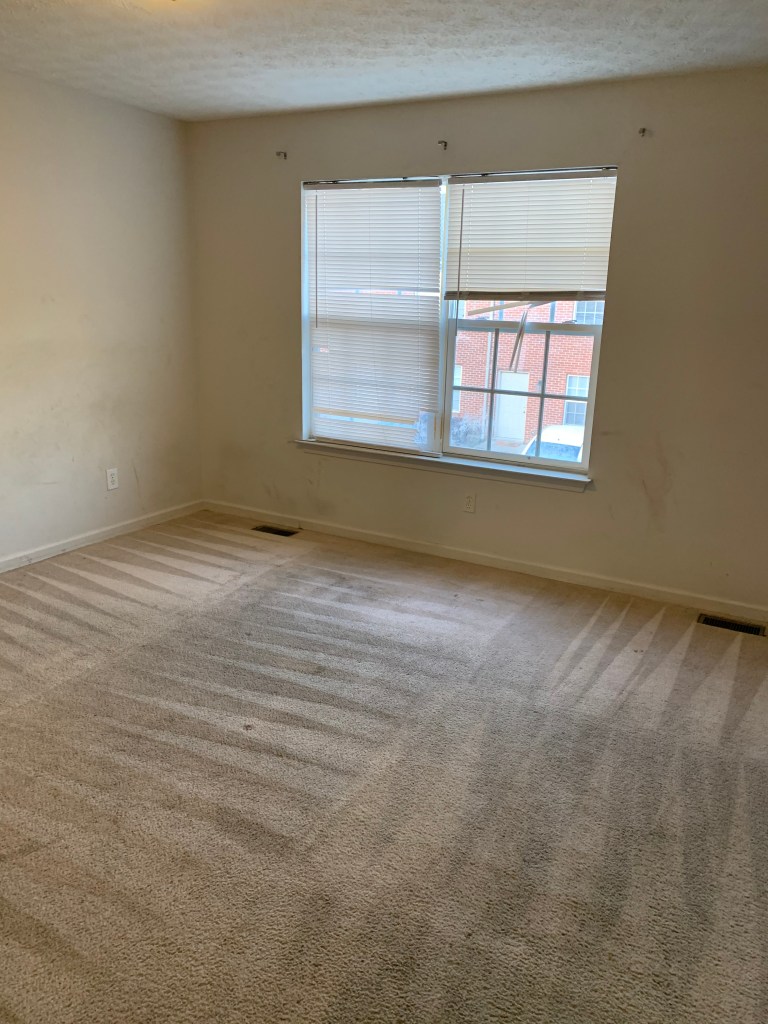


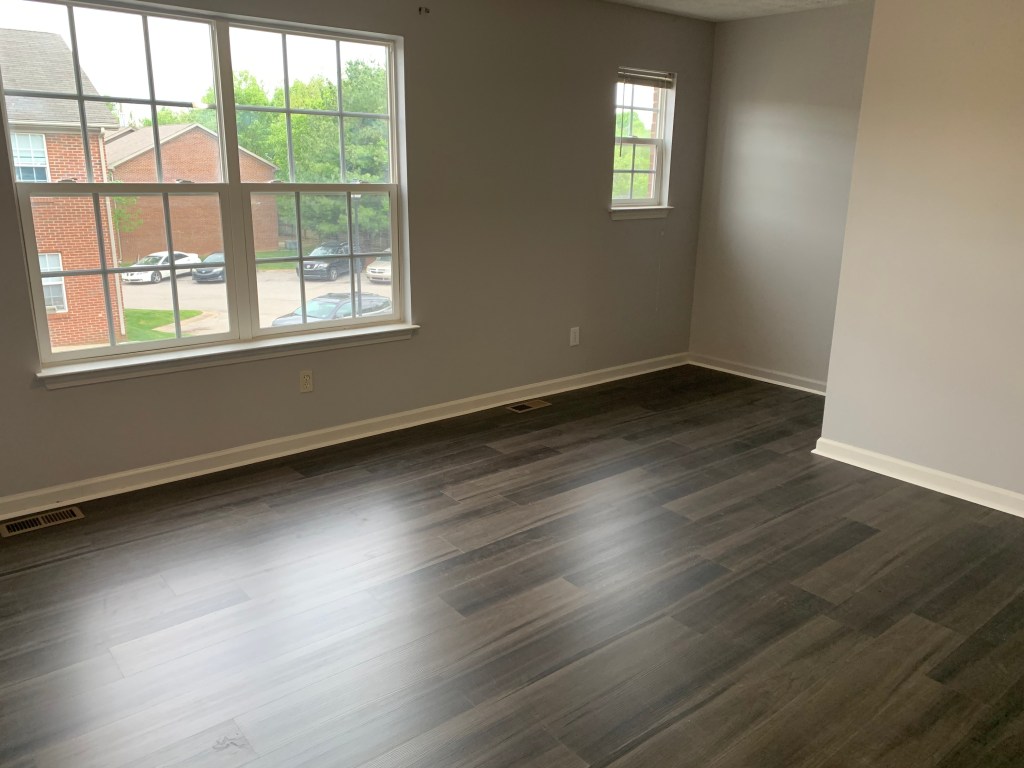
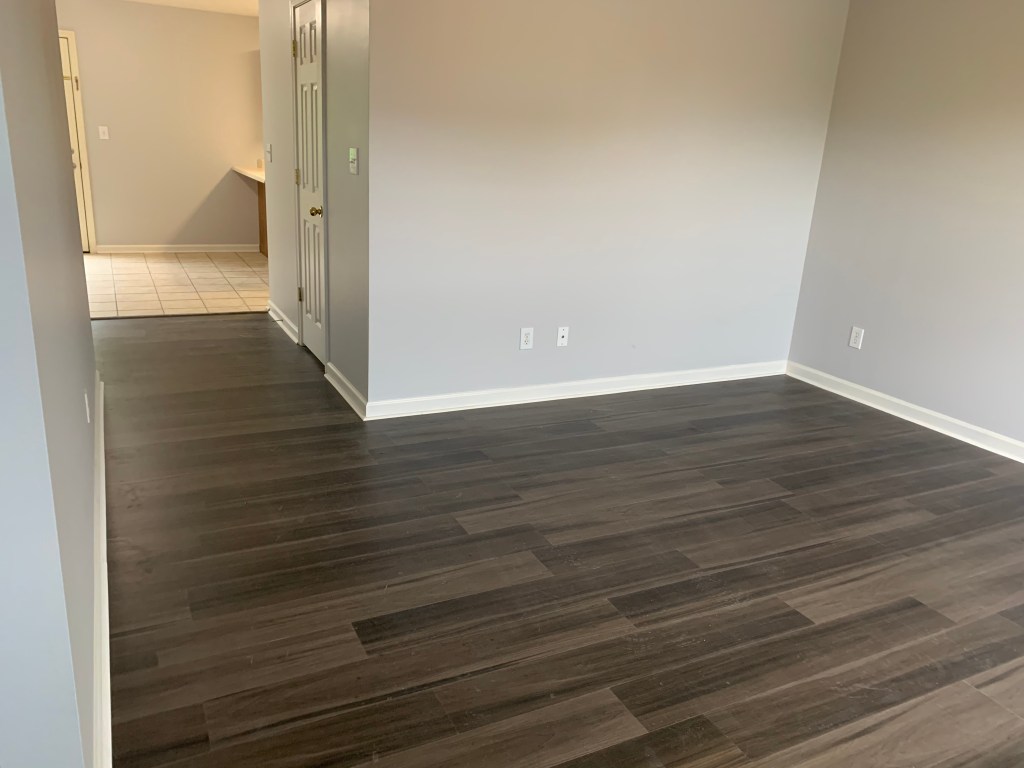
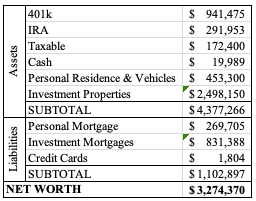

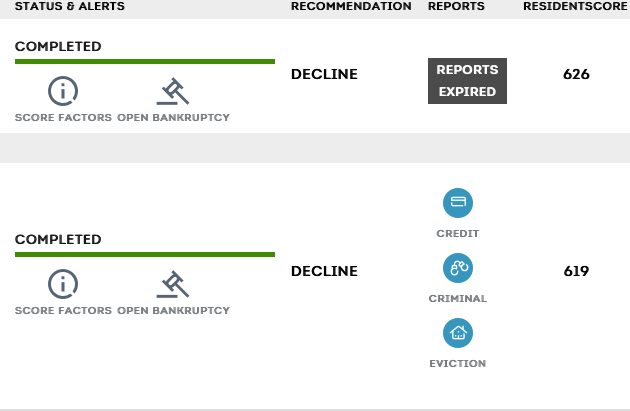

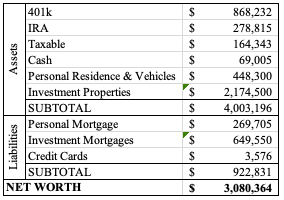
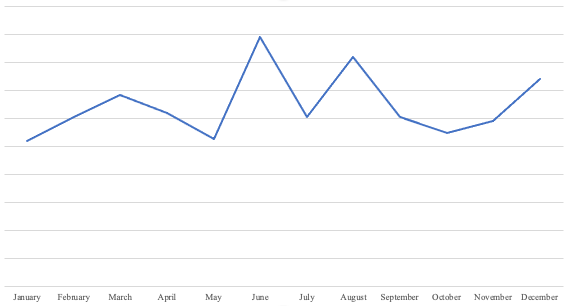
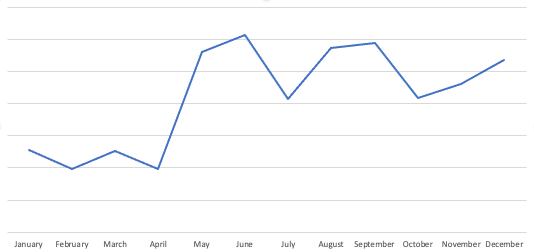



 One Dollar Allowance